From law firm to vineyard: The founding by Jess Jackson
Jess Stonestreet Jackson was not a trained winemaker. The lawyer, who grew up in San Francisco, specialized in land and property law before acquiring vineyards in Lake County, north of Napa Valley, in 1982. Together with his then-wife Jane Kendall, he founded the winery under their shared surname — Kendall-Jackson. The first wine, a 1983 Vintner's Reserve Chardonnay, was blended from grapes from various coastal regions — an unusual approach at the time, when California was primarily celebrating single-vineyard wines. This multi-appellation style proved to be a precise market idea: the wine quickly found buyers on the East Coast, and President Nancy Reagan had it served at the White House. Today, Jackson's widow Barbara Banke continues to lead the family business as Chairman and Proprietor — the winery thus remains in the hands of the family that founded it.
Farmer first: Sustainability as a core operational conviction
The Jackson family sees themselves primarily as farmers. On over 14,000 hectares of vineyard area along the California coast — from Mendocino through Sonoma and Monterey to Santa Barbara — all vineyards are managed under certified sustainable practices. All areas are third-party verified according to the Certified California Sustainable Winegrowing (CCSW) program, which includes 140 vineyard and 104 winery guidelines and is audited externally every year. In addition, there are SIP (Sustainability In Practice) certifications in Santa Barbara and Monterey as well as organically managed plots in Napa and Sonoma. Two production facilities hold LEED Gold certification. The fact that this attitude extends beyond their own company is shown by the co-founding of the International Wineries for Climate Action together with Familia Torres from Spain — an initiative for industry-wide climate action.
In the cellar, Kris Kato has been responsible for the style as Head Winemaker since 2025. He has been working at Kendall-Jackson since 2014 and has shaped the Central Coast program for Chardonnay and Pinot Noir during this time. His approach combines terroir expression with artisanal precision — a line he also pursues in his role as a driving force behind the house's sustainability certifications.
The Vintner's Reserve and the broad spectrum of the coast
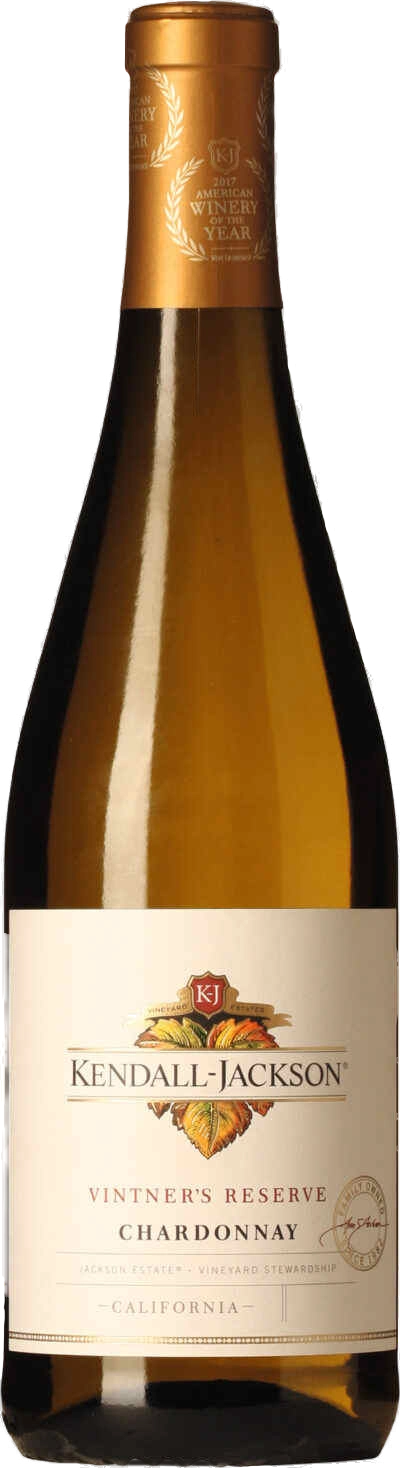
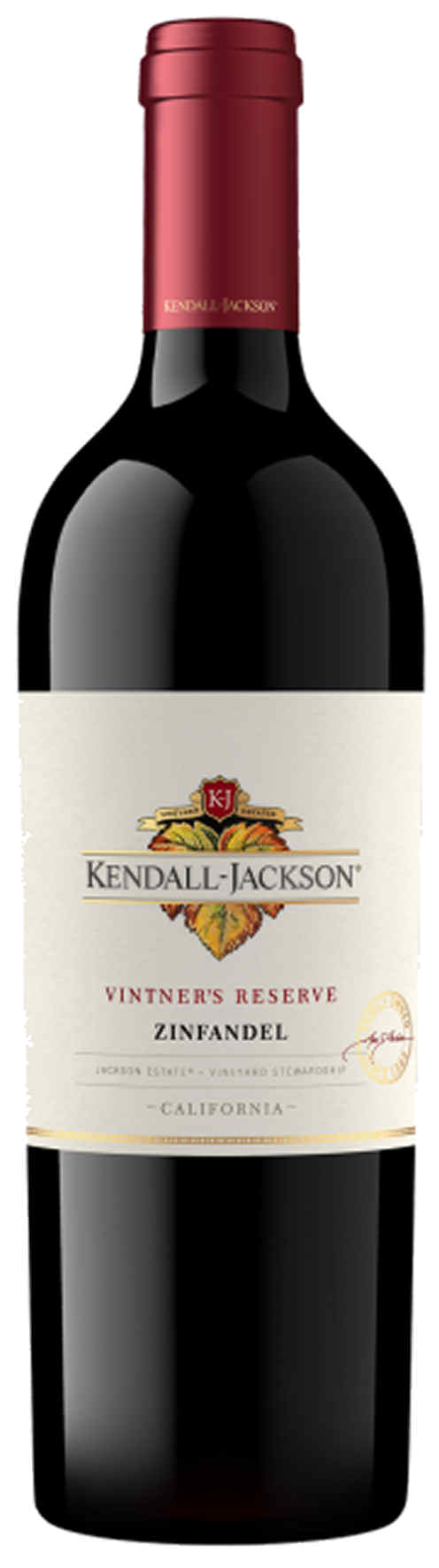
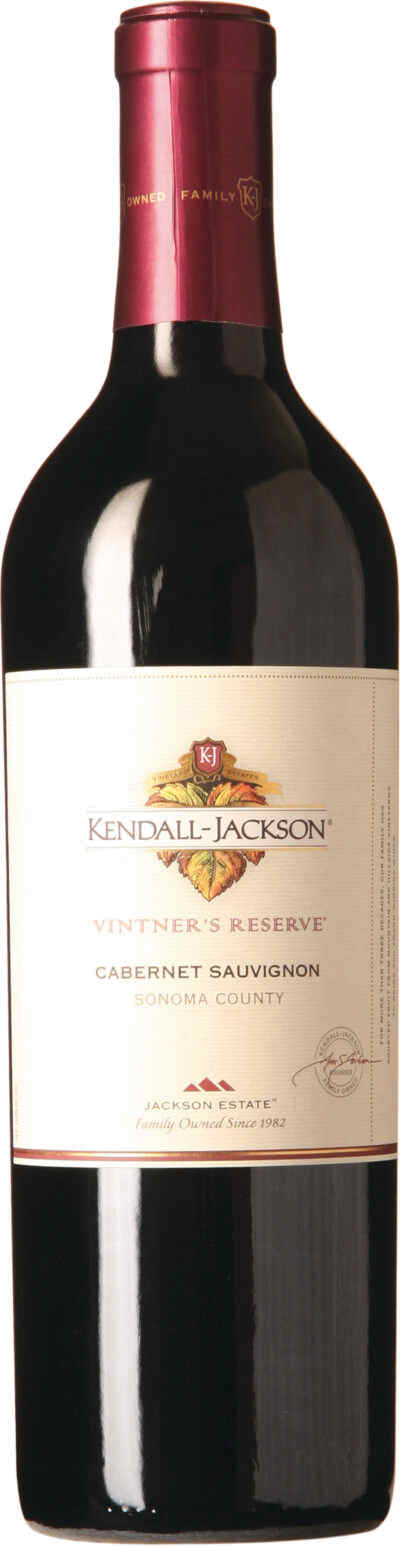
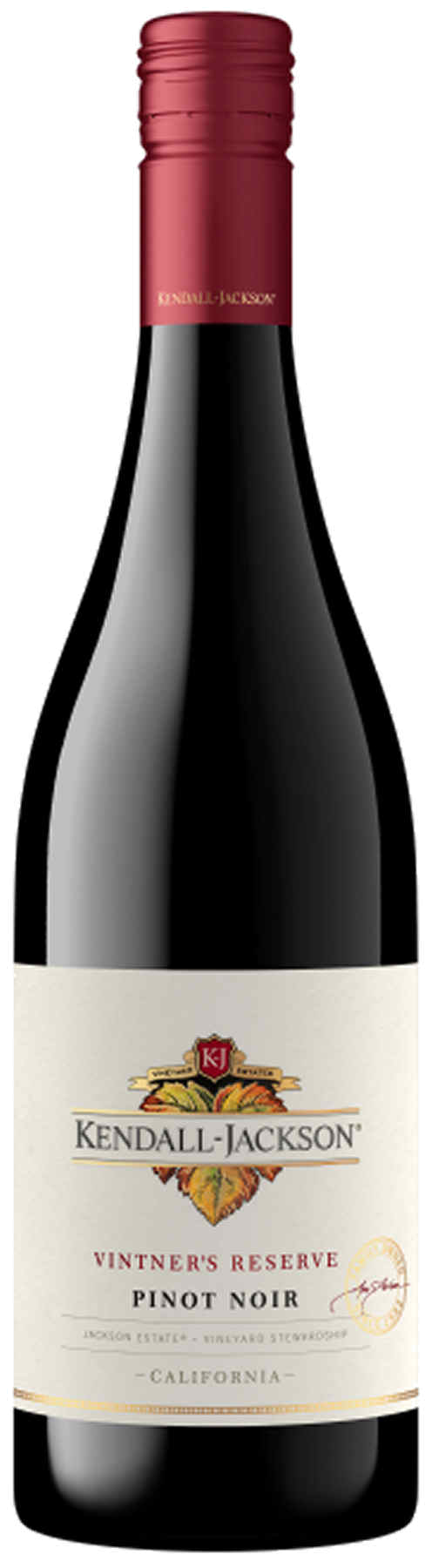
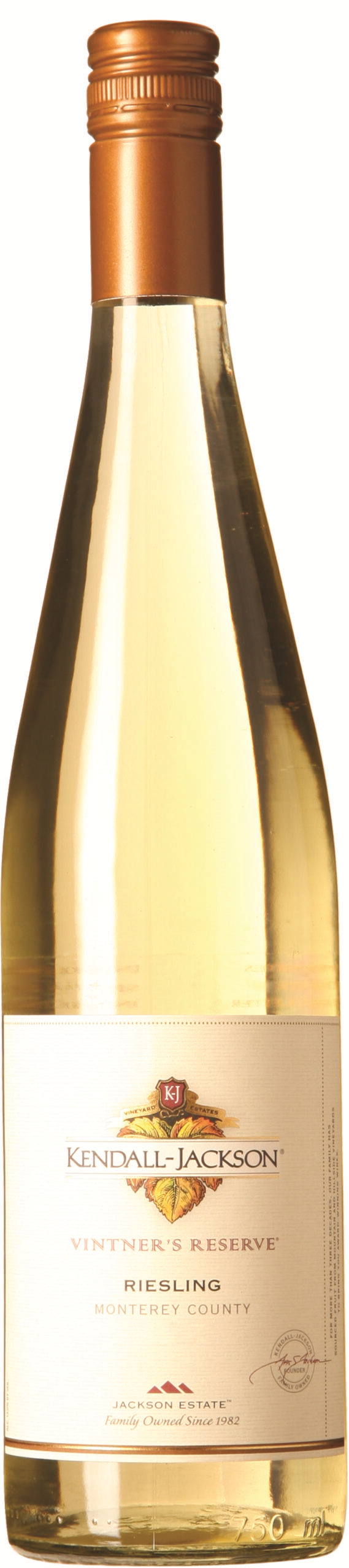
The heart of the range is the Vintner's Reserve line. The Chardonnay, assembled from grapes from the coastal sites of Monterey, Santa Barbara, Mendocino, and Sonoma, has been considered the best-selling American Chardonnay since 1992 — a status it has held for over three decades. Stylistically, it stands for ripe fruit, controlled oak influence, and a balanced acid structure, which is shaped by the coastal climate with its cool sea breezes. In addition, the Vintner's Reserve series shows the breadth of the California coast: Pinot Noir with a medium-weight body from cool Sonoma and Central Coast sites, Cabernet Sauvignon with the structure of the Napa-adjacent benchlands, a fruit-forward Zinfandel, and a fresh Riesling. The vineyards grow on mountain tops, terraces, and cool coastal slopes — sites that produce slow ripening and thus depth of aroma without delivering heavy, high-alcohol wines. Anyone looking for a reliable entry into the style of California coastal wines will find a broadly based, artisanally well-made reference in this line.