Four centuries of family history on the Middle Mosel
Weingut Fritz Haag in Brauneberg is one of the oldest family businesses on the Mosel: the first documentary mention dates back to the year 1605, at a time when the municipality was still called Dusemond. The historical reference lives on to this day in the name suffix "Dusemonder Hof". The fact that the town renamed itself Brauneberg in 1925 also had to do with the world reputation of its wine sites — Napoleon is said to have counted the steep slopes of the Juffer among the pearls of the Mosel. The modern rise of the winery was shaped above all by Wilhelm Haag, born in 1937, who led the estate to the top of German Riesling production from the 1950s onwards with consistent quality thinking and in 1994 was the first winemaker ever to receive the title "Winemaker of the Year" from Gault Millau. Since 2005, his son Oliver and his wife Jessica have continued to run the VDP winery.
Oliver Haag studied oenology in Geisenheim and learned his craft, among others, from Helmut Dönnhoff, one of the defining figures of German white wine production. You can feel this influence: In addition to the classic fruit-sweet Prädikatswein, which made the house great, Oliver has consistently expanded the line of dry and off-dry Rieslings — without abandoning the original style.
Devonian slate, steep slope and spontaneous fermentation
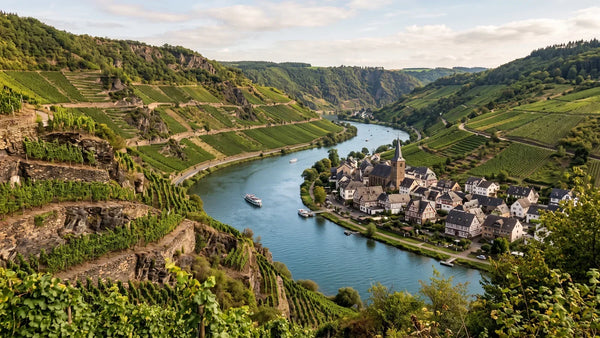
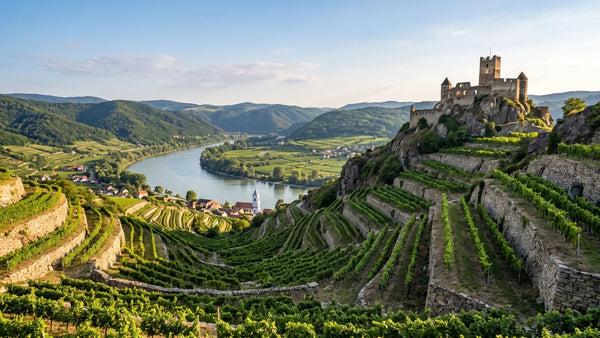
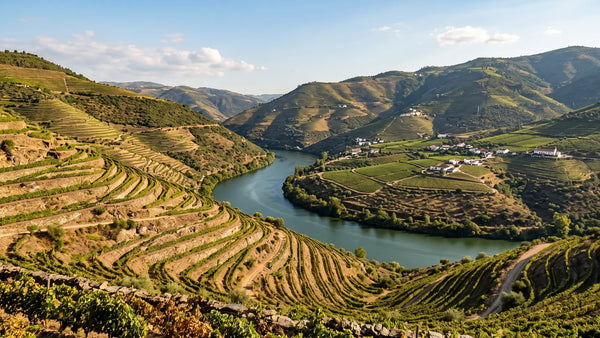
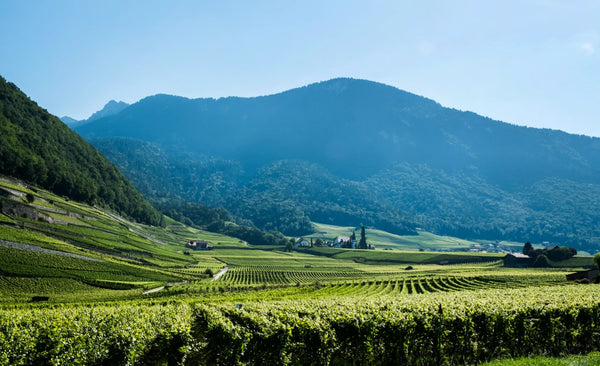
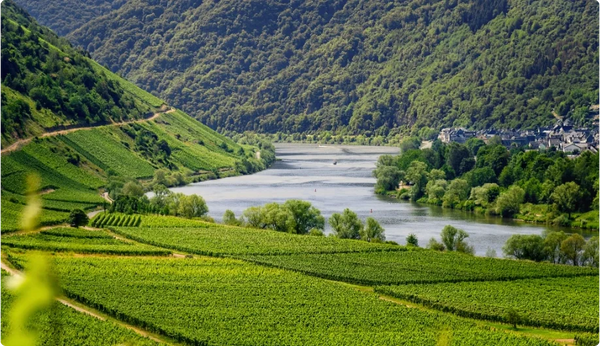
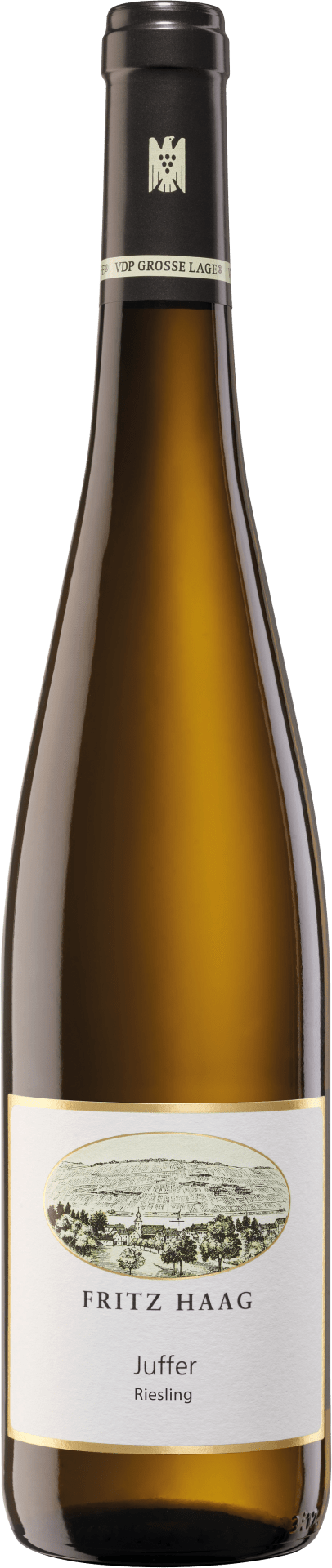
The approximately 20-hectare winery exclusively manages Riesling steep slopes in Brauneberg, above all the two VDP.Grosse Lagen Brauneberger Juffer and Brauneberger Juffer-Sonnenuhr. The slopes fall towards the river in a pure southern orientation with an inclination of up to 80 percent — hand-harvesting is not a decision here, but a necessity. The weathered Devonian slate stores heat during the day and releases it in a controlled manner at night; the light reflection of the Mosel reinforces this effect. This combination of microclimate, soil depth and mineral-rich slate is the key to the unmistakable character of the wines.
In the cellar, Oliver Haag relies on gentle whole-bunch pressing and fermentation with vineyard-own yeasts. The yields are consistently reduced. The goal: wines that bring the character of their site into the bottle as directly as possible — without auxiliary constructions in the cellar.
From estate Riesling to Trockenbeerenauslese — style from a single mold
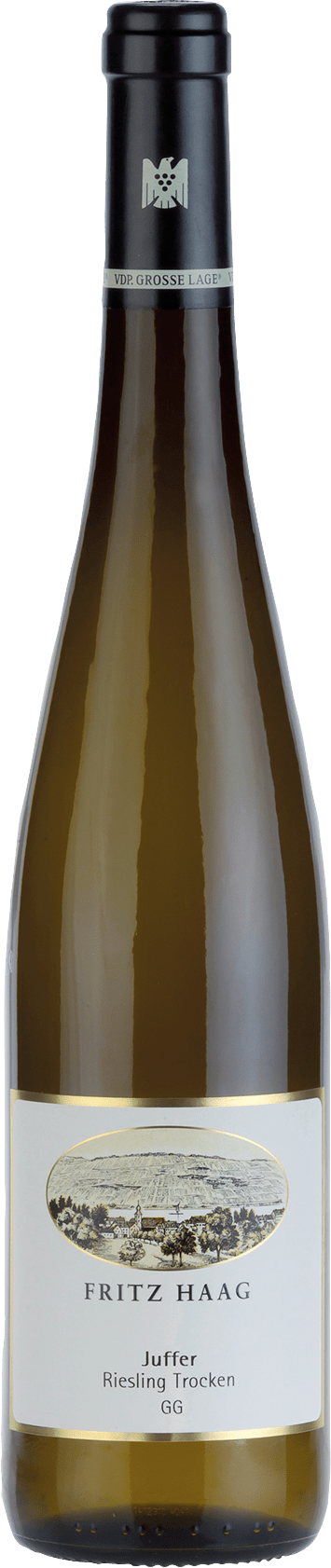
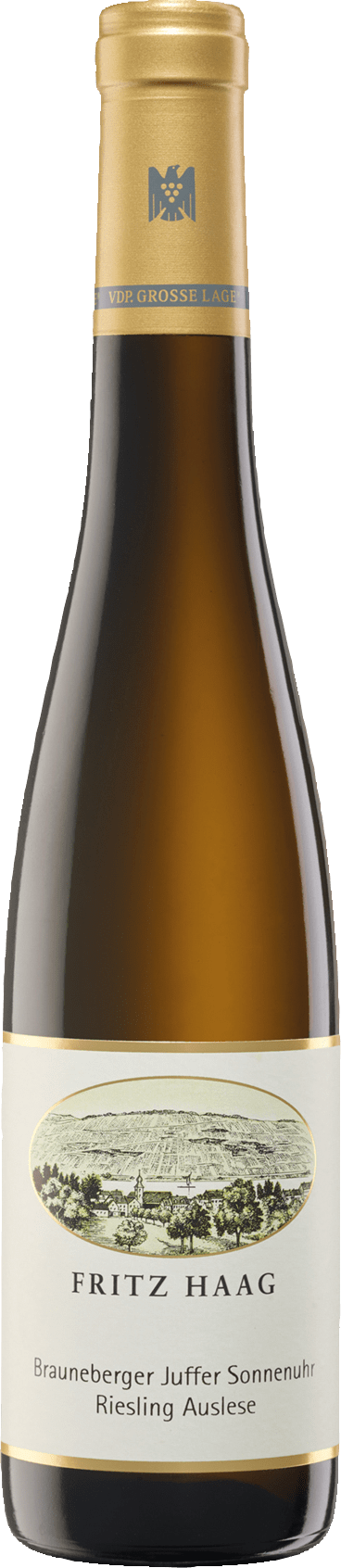
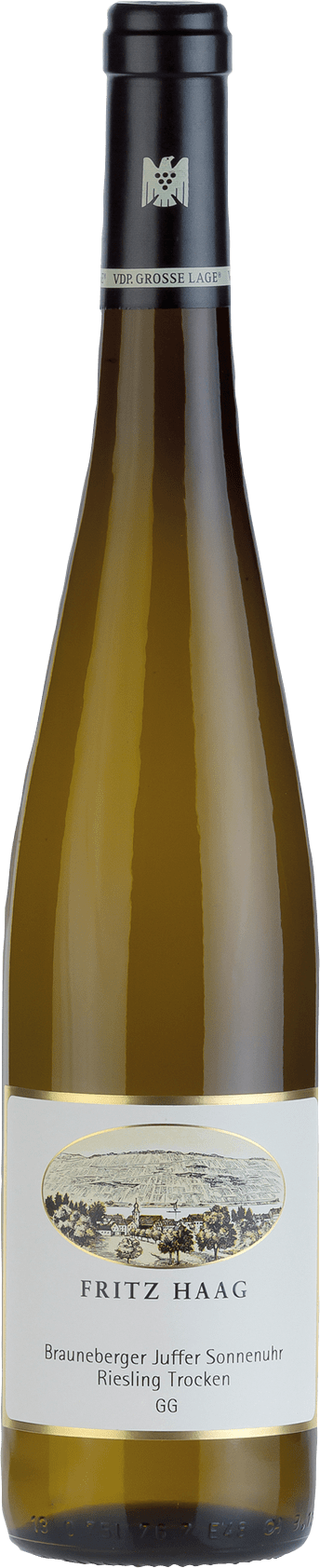
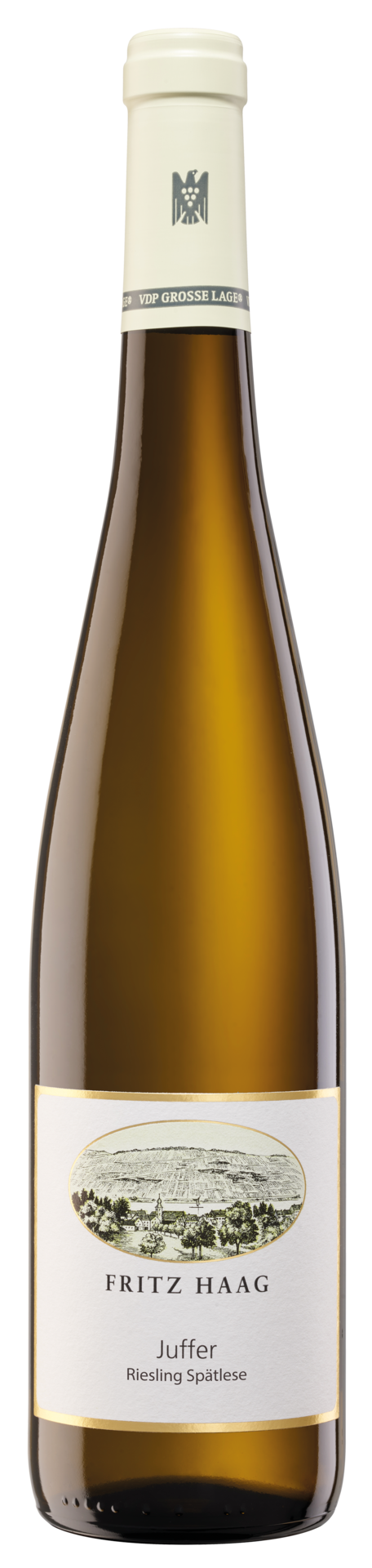
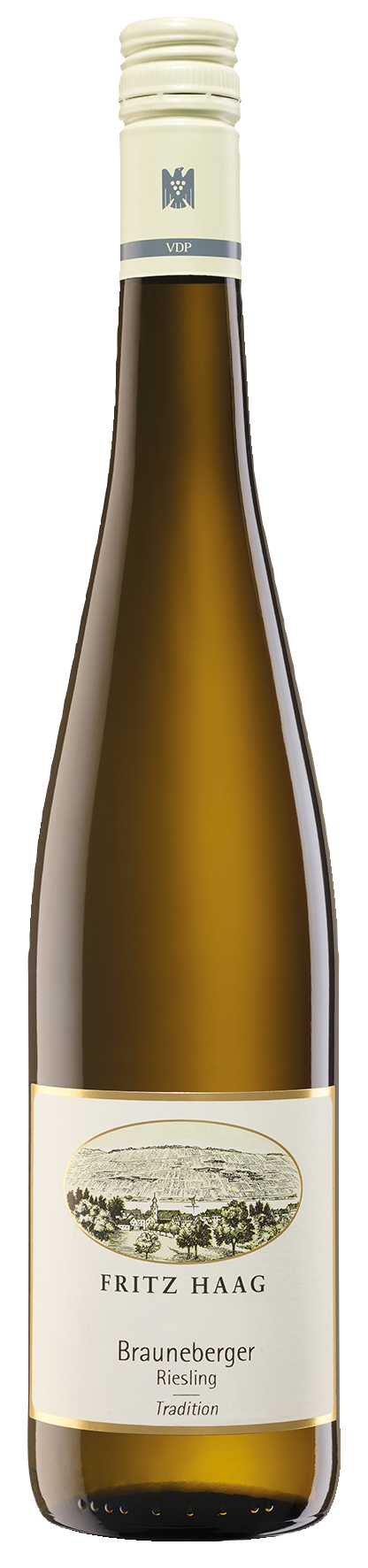
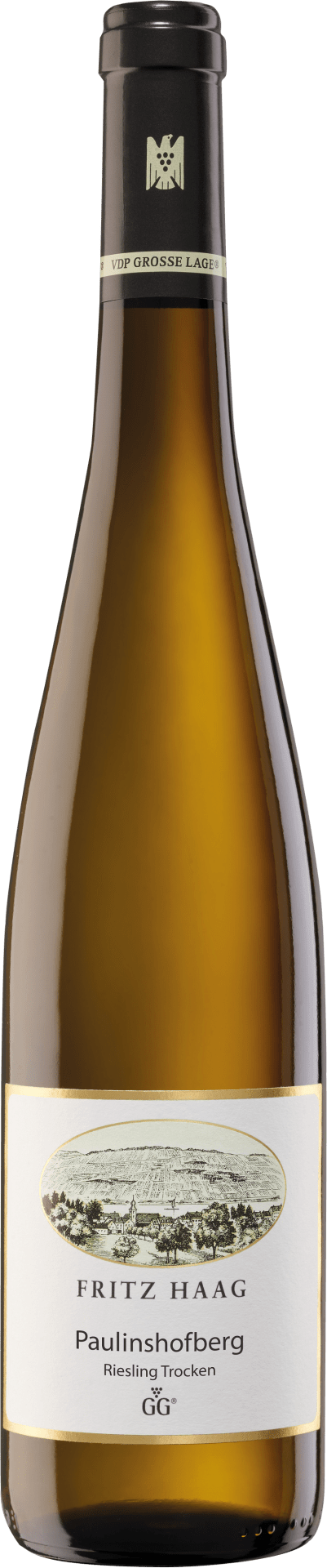
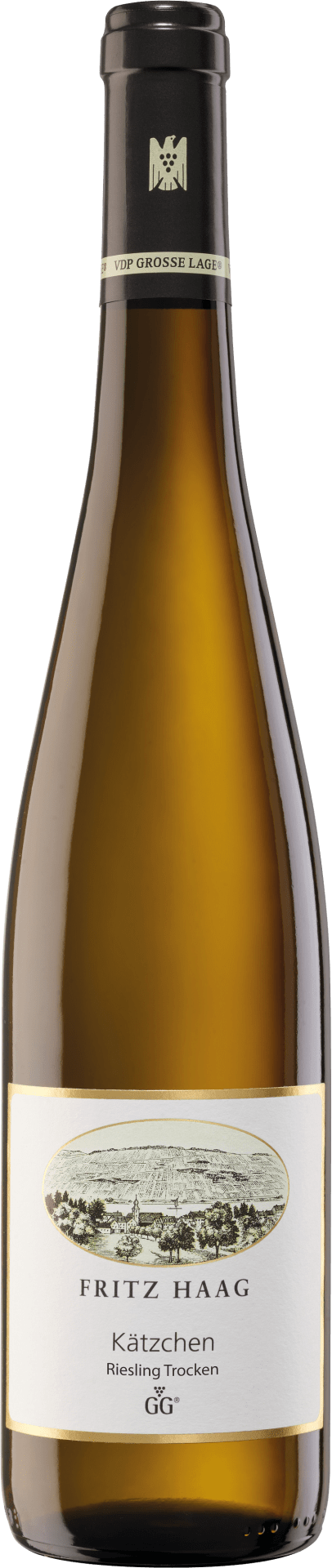
The assortment spans the classic Mosel arc completely: from the accessible Brauneberger Riesling "J" via off-dry quality wines to the Große Gewächse of the Juffer and Juffer-Sonnenuhr and up to luscious Spätlese, Auslese and rare Beerenauslese and Trockenbeerenauslese, which achieve top prices at VDP auctions. The Kätzchen Riesling GG from the Monzelner Kätzchen site also complements the picture with another terroir facet. What all wines have in common is a clearly defined style: lively acidity, precise fruit of citrus and yellow stone fruit, a dense slate minerality in the finish and a body that remains light-footed despite its depth. The wines from the top sites are designed for ten to twenty years of development — those who drink them young get freshness and tension; those who wait experience how slate and fruit merge into something more complex.