From the ranch in Redwood Valley to Northern California's pioneer brand
The story of Fetzer begins in 1958, when Barney Fetzer — then an accountant at a lumber company — bought a run-down ranch in Redwood Valley in Mendocino County, Northern California. He wanted to give his eleven children a farm where they could work and grow up together. In the early years, the family cultivated the vineyards after Barney finished his day job, initially selling the grapes to home winemakers across the country. Then, in 1968, came the step to their own winery: Fetzer Vineyards was founded. The whole family — Barney, his wife Kathleen, and their six sons and five daughters — worked on every link in the chain, from harvest to distribution. When Barney Fetzer died in 1981, the winery was already producing around 2,000 cases per year. Under the family's direction, Fetzer grew into one of California's fastest-expanding wineries in the 1980s. In 1992, the family sold the brand to the American spirits group Brown-Forman; since 2011, Fetzer has belonged to the Chilean wine giant Viña Concha y Toro — and today operates under the corporate name Bonterra Organic Estates, while the Fetzer wine brand continues.
What is good for the earth is good for the grape
This simple conviction of Barney Fetzer's remains the winery's guiding principle to this day. In the 1980s, Fetzer was one of the first large Californian houses to begin organic cultivation. In 1987, the family officially introduced organic farming methods, followed in 2000 by the transition to biodynamic management according to the lunar calendar. Today, the winery, with its approximately 960 hectares of vineyards in Mendocino County, holds the Regenerative Organic Certified certification — the strictest level available in organic viticulture. In addition, there are certifications as California Sustainable Winegrowing, Demeter, CCOF Organic, and ISO 14001 for environmental management. Since 2015, Fetzer has been a certified B Corporation and was the largest winery in the world with this status. On the premises, Fetzer relies on solar and wind energy, electric vehicles, and a biological wastewater treatment system that treats up to 17 million gallons of water annually for use in the vineyards. Solid waste from production is almost entirely composted, recycled, or reused — an approach that the United Nations has recognized with the Momentum for Change Award.
Accessible classics with Californian character
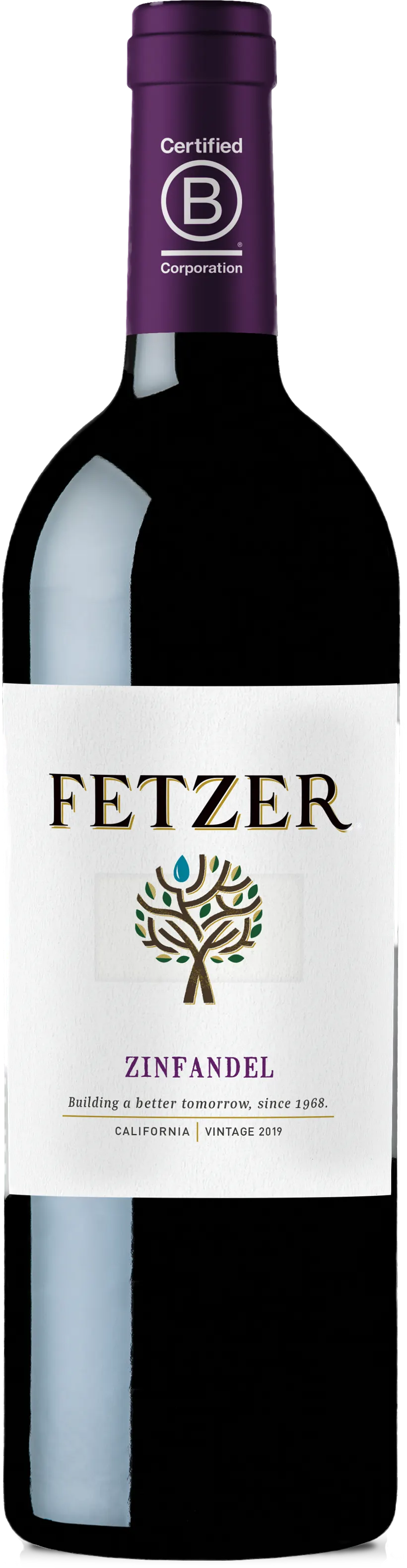
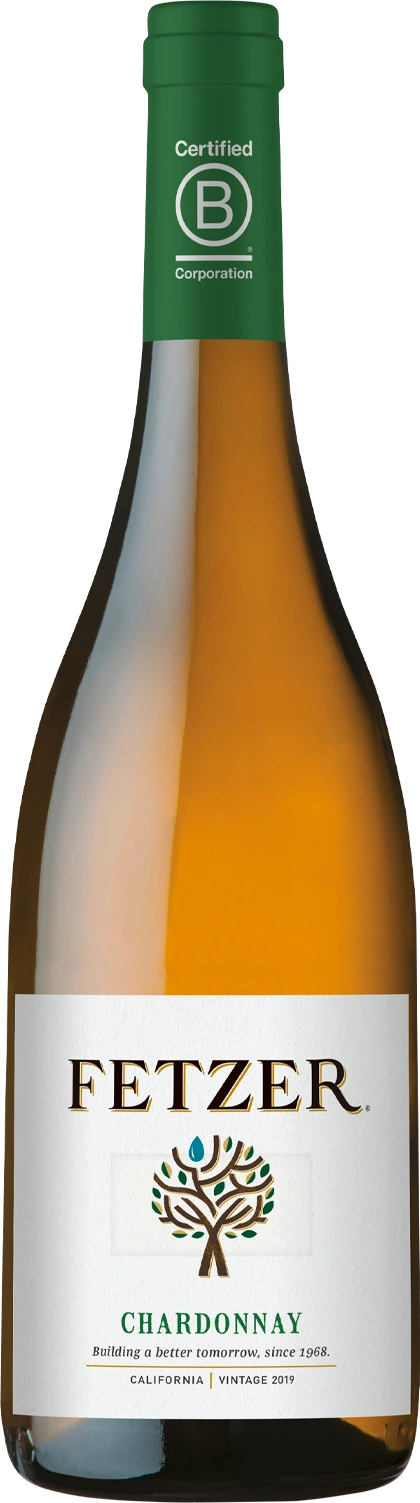
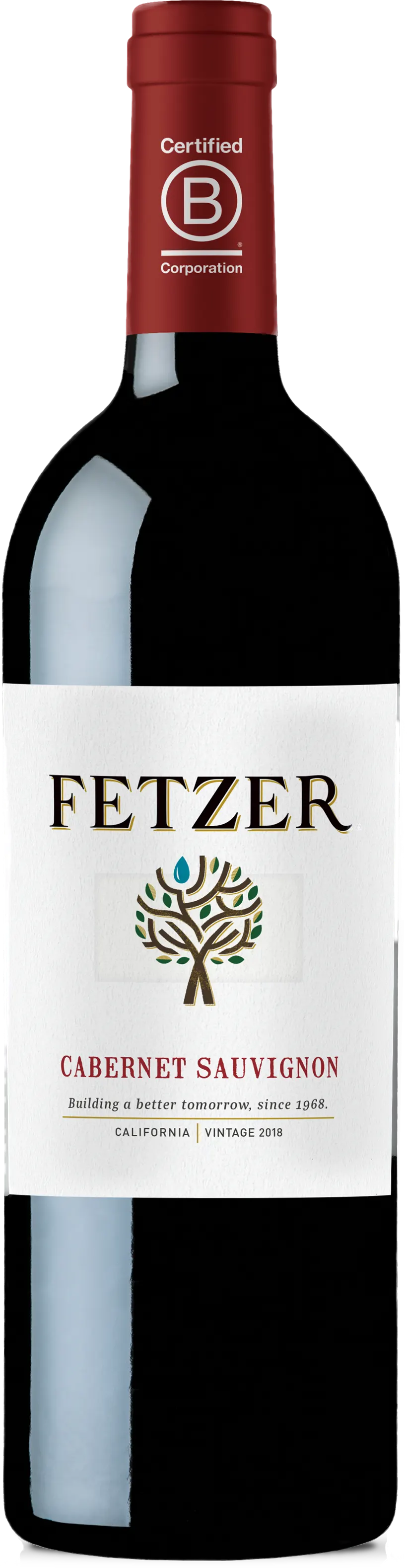
The Fetzer range stands for accessible, grape-typical wines from the growing regions of the Northern Californian North Coast — Mendocino, Sonoma, and Napa County. The Valley Oaks Cabernet Sauvignon shows the warm, fruit-forward profile of the region: ripe blackberry, sour cherry, and a hint of mocha, carried by medium-firm tannins and a soft finish. Good with steaks, braised beef, or a strong cheddar. The Sundial Chardonnay brings aromas of baked apple, pear, and a hint of crème brûlée to the glass — creamy texture, round acidity, a style that pairs with poultry, pasta in cream sauce, or mild goat cheese. The Valley Oaks Zinfandel completes the trio with typical Californian lushness: dark berry fruit, tobacco, and a spicy finish. All three lines reflect Fetzer's approach of making qualitatively solid wines from organically farmed grapes — without leaving the price range where everyday wines have their place.