From Trapani to the world: the history of Feudi Branciforti dei Bordonaro
In 1985, Salvatore and Vinzia di Gaetano founded the winery in Paceco near Trapani that is known today as Feudi Branciforti dei Bordonaro. Behind the name lies a clear intention: to show the wines of Western Sicily in their most authentic form — not as mass-produced goods, but as a craft interpretation of one of Italy's oldest wine-growing regions. The province of Trapani is considered the most densely planted region in the country, and it is precisely here, on the Contrada Gelso Grande between Monte Erice and the Aegadian Islands, that the founders laid the foundation for a winery that now exports to over 30 countries.
300 hectares of limestone, sea breeze, and precise viticulture
The vineyards of the Tenuta Gelso Grande stretch across gentle, clay-limestone hills between 300 and 400 meters in altitude — high enough for the nights to cool down and the aromas to remain in the grapes, close enough to the sea for the west wind from the direction of the Aegadian Islands to provide freshness. On around 300 hectares, Grillo, Catarratto, Nero d'Avola, Syrah, and other varieties grow in the Guyot training system with around 4,200 to 5,000 vines per hectare — a density that promotes concentrated grapes. Harvesting is done by hand, usually at the end of August, before the summer heat pushes the aromatics too much towards over-ripeness.
In the cellar, the team works consistently with temperature-controlled stainless steel tanks to preserve the fruity and mineral primary aromas of the Sicilian grape varieties. The renowned oenologist Giuseppe Pellegrino accompanied the development of the winery and helped shape the vinification profile: varietal, clean, with respect for the terroir. Wooden barrels are used for the aging of the red wines, without burying the fruit profile of the varieties under oak aromas.
Grillo, Catarratto, Nero d'Avola — Sicily in the glass, without detours
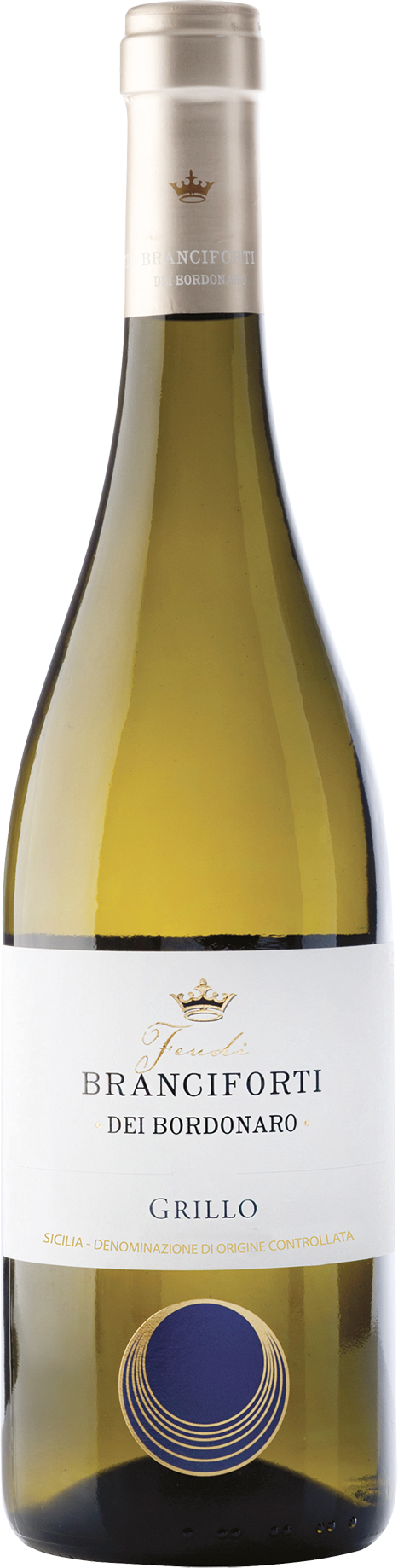
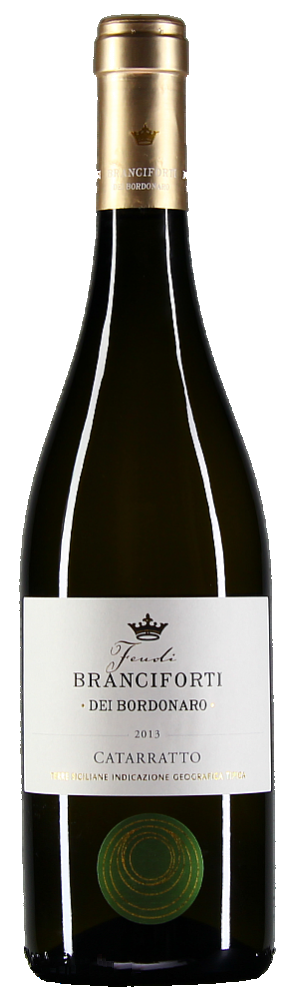
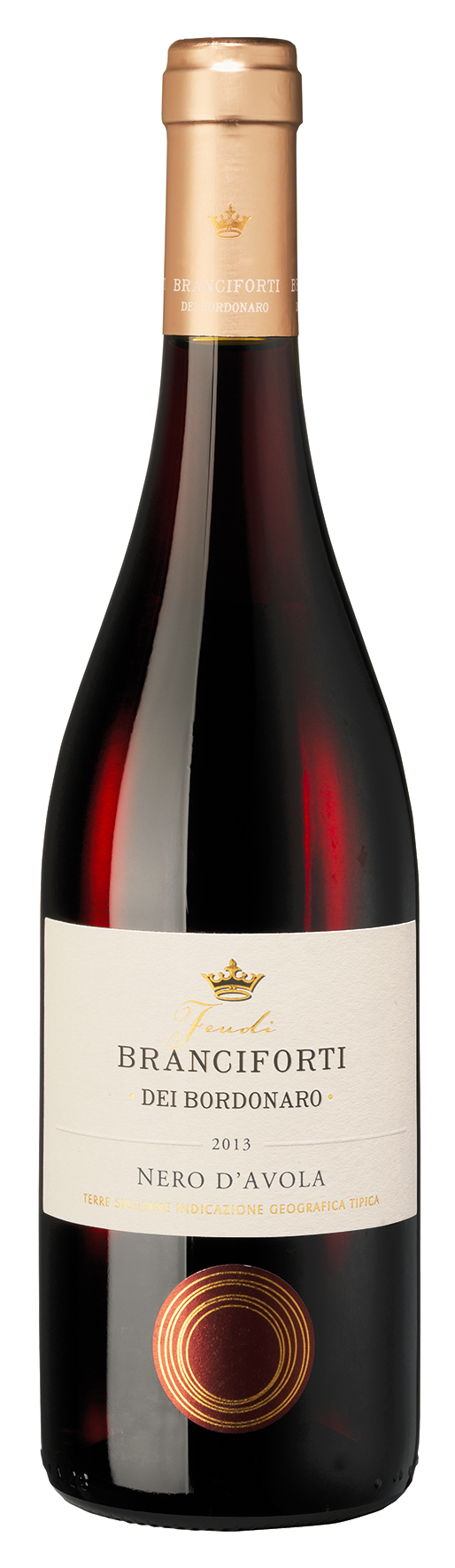
The range does not follow international fashion trends, but rather what the Trapani landscape does best. The Catarratto Bianco appears straw-yellow with green reflections, smells of meadow flowers and ripe pear — a white wine that fits Mediterranean cuisine, i.e., fish, seafood, and light vegetables. The Grillo Sicilia DOC belongs to the autochthonous top of the island: the vine has its original home here and gives citrus and stone fruit aromas with a salty-mineral finish in the glass. Finally, the Nero d'Avola — the red wine with which Sicily has recaptured the wine lists of Europe — is aged briefly in wood at Branciforti, but remains juicy and carried by lively acidity, with aromas of dark cherry and Mediterranean herbs. All three wines are an expression of a winery that has made a choice: better to speak the language of Sicily than that of the global market.