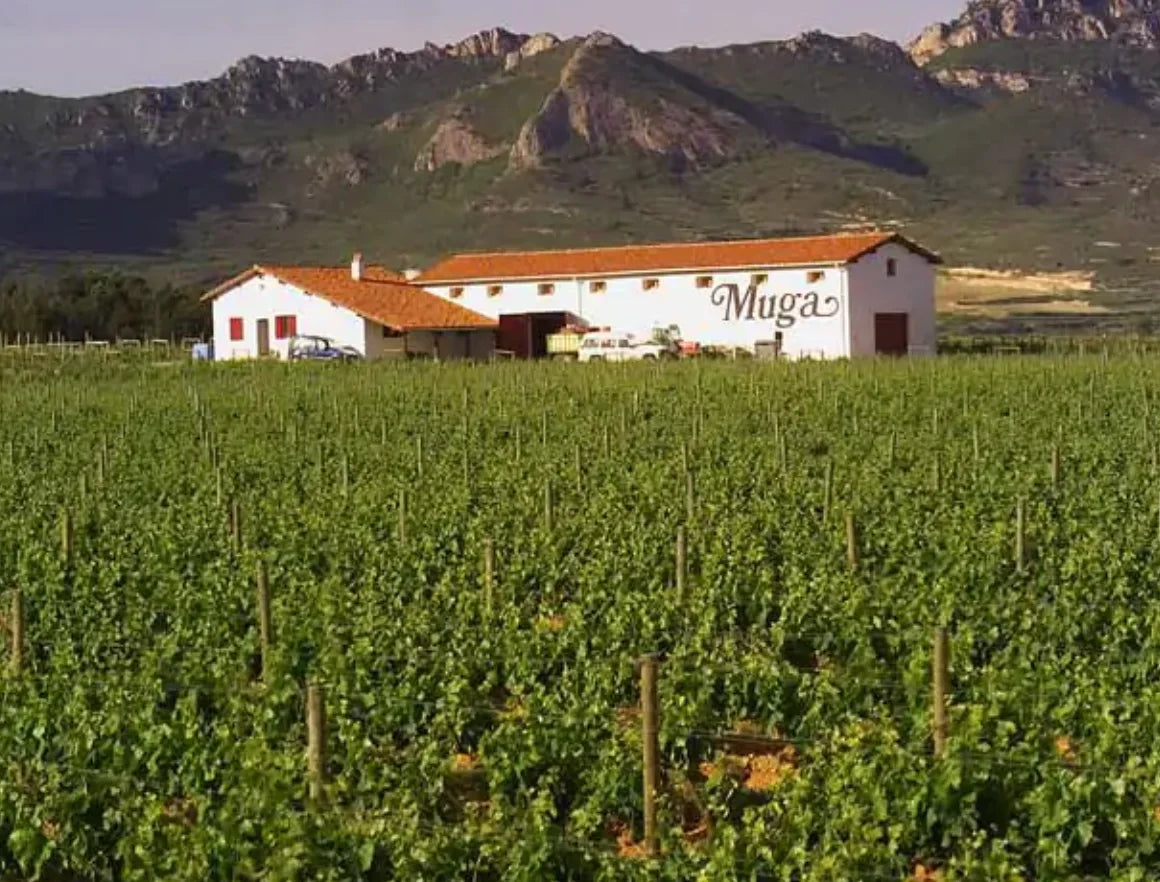
From Haro to the world: Three generations of the Muga family
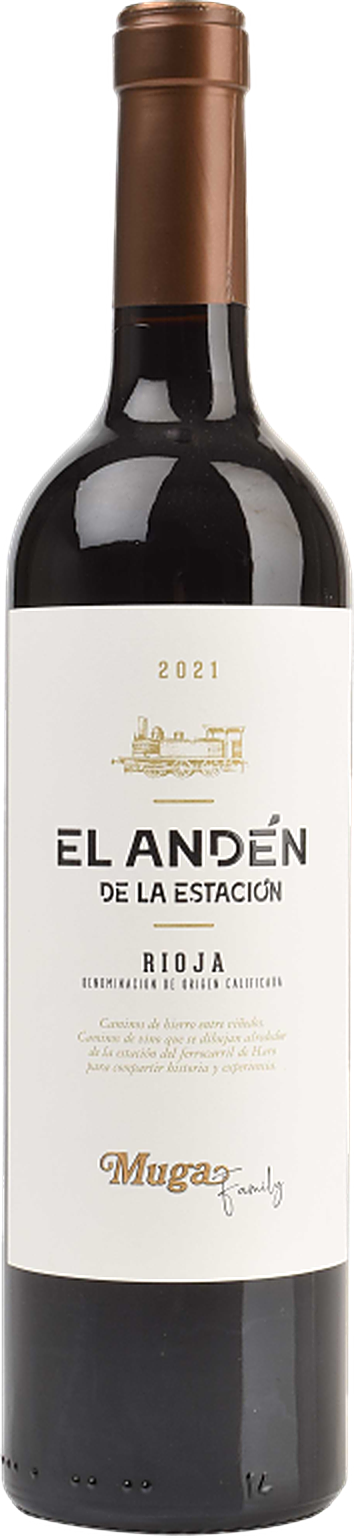
Founded in 1932 by Isaac Muga Martínez and Aurora Caño, the bodega brought together two traditional winemaking families from the Rioja Alta from the very beginning. It started with underground cellars in the center of Haro; in 1970, the family moved to their current home — a two-hundred-year-old building in the Barrio de la Estación, the legendary station district of Haro, where the oldest bodegas of the Rioja lie side by side. Today, the third generation leads the house: the sons of Manuel Muga are responsible for sales and export, the sons of Isacín Muga work in the vineyard and in the cellar — a family business that literally keeps every step of the work in its own hands.
Oak as a philosophy: the in-house cooperage as the heart
What distinguishes Muga from almost all other bodegas in Spain is not a marketing promise, but solid craftsmanship: Muga is the only bodega in Spain to operate its own cooperage with a master cooper and several barrel makers who manufacture all containers themselves — from the 225-liter barrique to the 50,000-liter oak barrel. Every year in late autumn, the family travels to France to select oak wood tree by tree. The staves are air-dried at the winery for at least three years, and high-quality woods for premium barrels for up to five years. Only then do the coopers shape them over an open fire into barrels — with a toasting that is individually adjusted depending on the wine.
The vinification of the red wines takes place exclusively in oak: fermentation in large oak vats using only indigenous yeasts, followed by malolactic fermentation and aging in the barrel. Racking is carried out exclusively by gravity so as not to stress the wine. Clarification is traditionally done with fresh egg white — no fining agent that masks the aromas. With a stock of around 14,000 barrels and its own team solely for barrel management and racking, the cellar in Haro is a world of its own.
Tempranillo, time, and terroir: the bodega's range
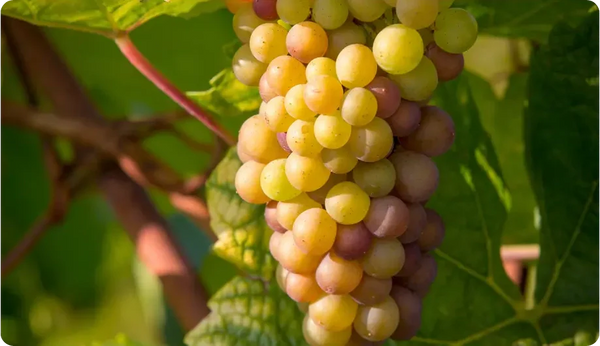
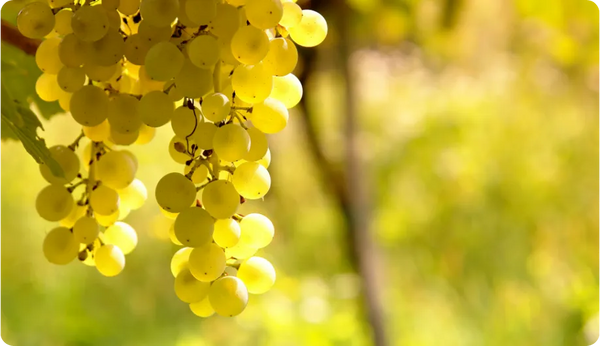
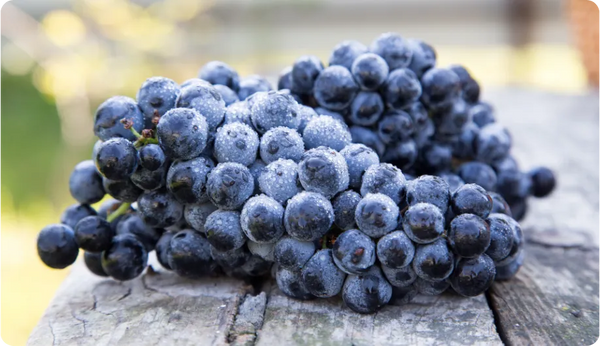
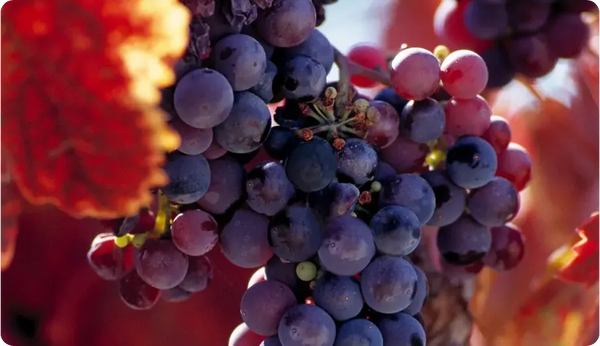
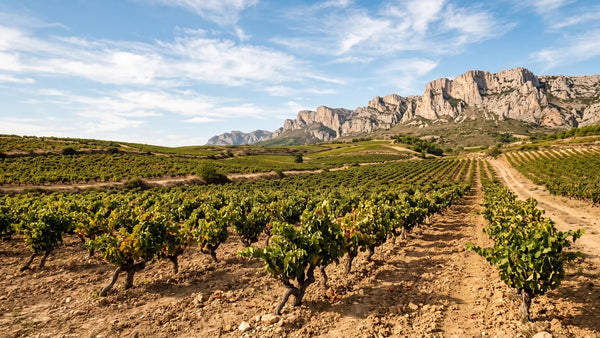
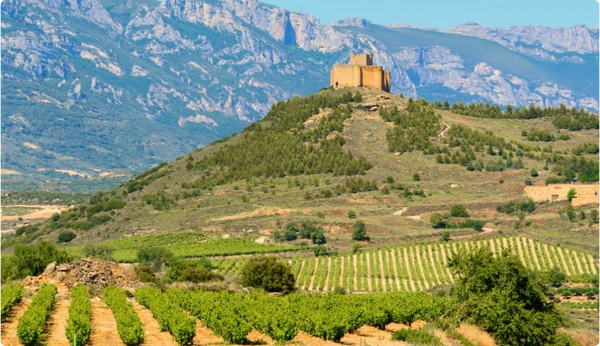
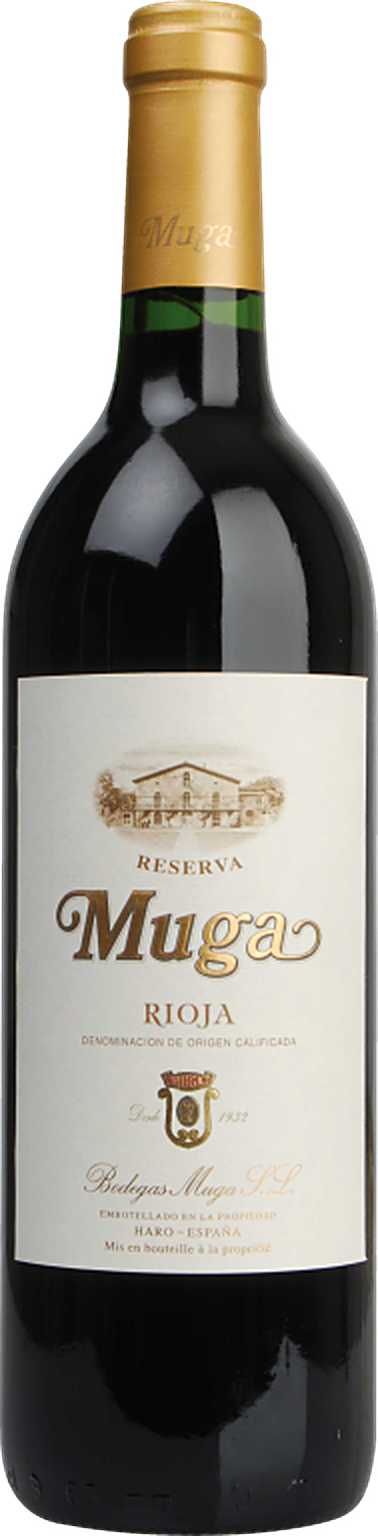
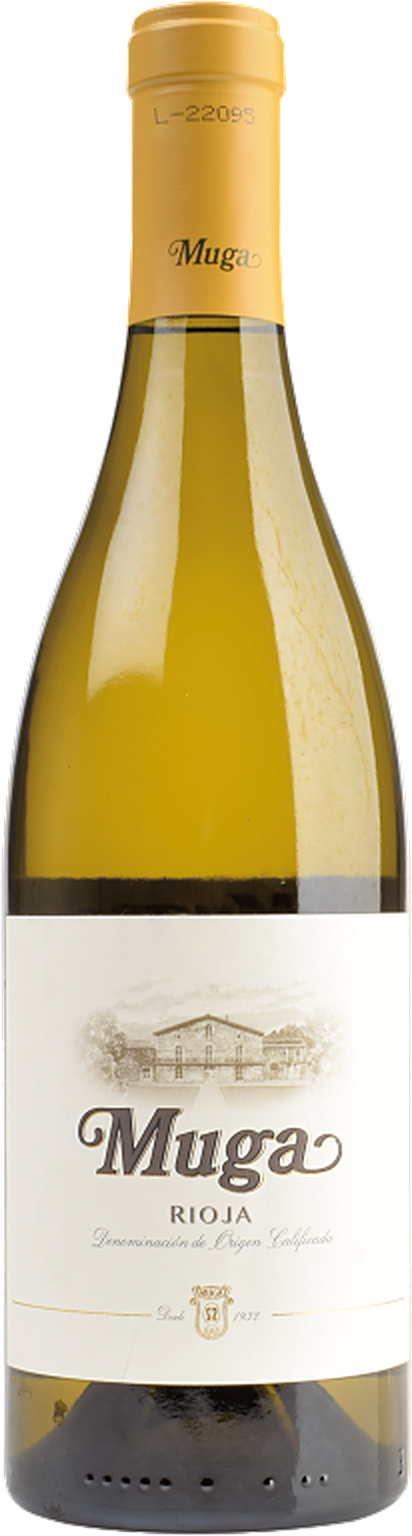
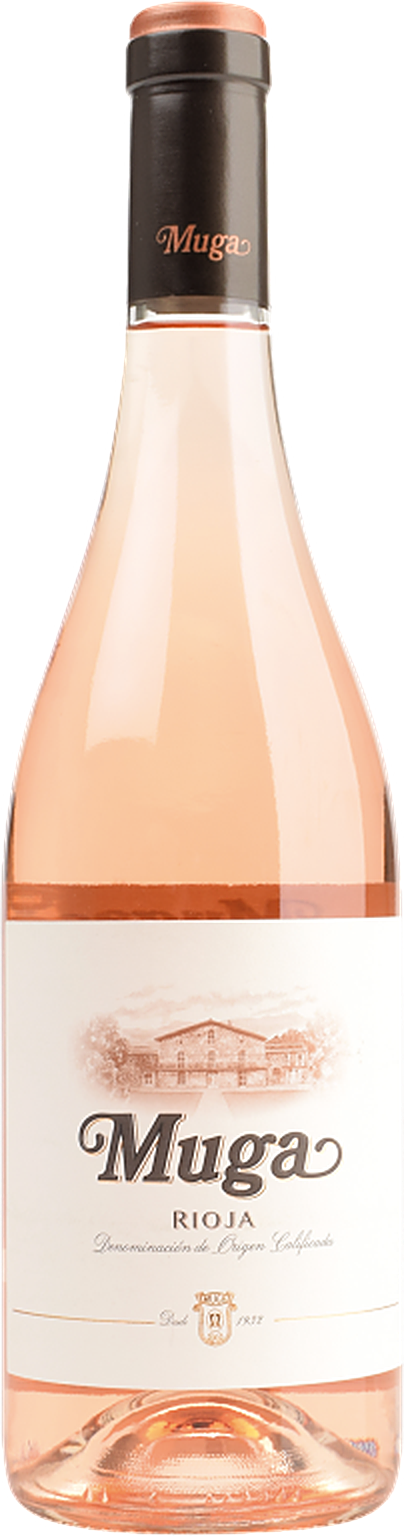
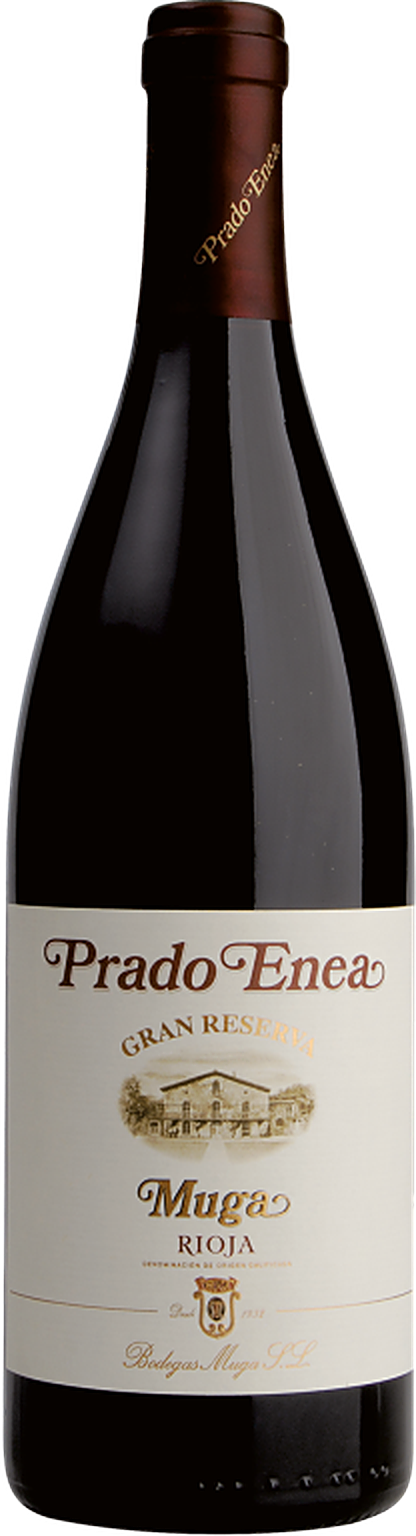
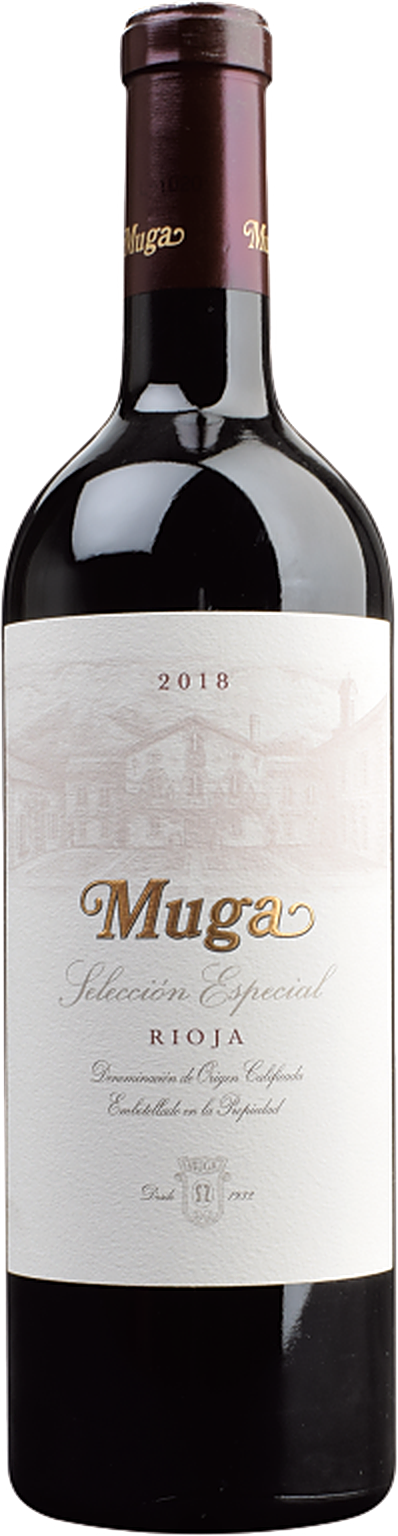
The foundation of the collection is formed by Rioja-typical grape varieties: Tempranillo, Garnacha, Mazuelo, and Graciano for the reds, Viura and Malvasia for the white wine. The vineyards are located predominantly in the Oja-Tirón valley in the far west of the appellation — a cool, Atlantic-influenced sub-region of the Rioja Alta that produces wines with natural acidity structure and aging potential. The Muga Reserva matures for 24 months in their own barrels (80% French, 20% American oak) and then for at least one year in the bottle — it is the only cuvée that is released in every vintage. The Selección Especial draws on older vines and receives an extended barrel aging. The supreme discipline is the Prado Enea Gran Reserva: a Tempranillo-led blend from the highest and coolest sites, at least 36 months in the barrel, at least 36 months in the bottle, bottled only in the best vintages — a wine that rewards patience and is made for powerful meat dishes such as braised lamb shank or Ibérico pork roast. The Muga Blanco and the Muga Rosado round off the range and show that Haro also delivers a precise signature beyond Reserva and Gran Reserva.