How Berlucchi invented Franciacorta
The history of Franciacorta cannot be told without starting with Berlucchi. In 1955, the Brescian landed nobleman Guido Berlucchi and the young oenologist Franco Ziliani founded the winery in Borgonato — at that time still a bet on the conviction that the hills south of Lake Iseo had the potential for a classic sparkling wine modeled on Champagne. In 1961, after long trials, they brought the first 3,000 bottles of a Metodo Classico wine into the bottle: the first Franciacorta ever. The success was immediate — already in the following vintage, production was expanded to 20,000 bottles. By 1967, when the region received DOC status, there were already eleven producers in Franciacorta; Berlucchi accounted for more than 80 percent of total production at that time.
Today, Franco's children Cristina, Arturo, and Paolo run the family business in the second generation — and have expanded it to around 4.5 million bottles annually without losing the family character. In 2022, Gambero Rosso named Berlucchi "Winery of the Year," noting that the house had shaped the history of the classic Método in Italy. The headquarters is still the Palazzo Lana in Borgonato, a 16th-century Renaissance palace whose historic cellars form the heart of the vinification.
515 hectares of organic farming and the Mille1Vigna project
With 515 hectares of certified organically managed vineyard area, Berlucchi is one of the largest operations in terms of area in Franciacorta. Since 2016, all vineyards have been working according to the principles of organic farming — a decision that requires consistent logistics on this scale. The Mille1Vigna project goes even further: it maps every plot with organic pass soil analyses and systematically links the sites with their respective soil profiles — from the moraine soils directly on Lake Iseo to loamy high-altitude sites typical of the Brescian summer. The mild microclimate of the lake and the fresh katabatic winds from the Val Camonica ensure distinct day-night temperature differences, which build up acidity structure and aroma density in the grapes.
In the cellar, Berlucchi relies on the classic triad of the Metodo Classico: hand-picking, gentle pressing, fermentation in stainless steel tanks or wooden barrels, followed by a second bottle fermentation and long yeast aging in the cellars of the Palazzo Lana. Non-vintage cuvées mature for at least 18 months sur lie, prestige cuvées significantly longer. After disgorgement, each bottle rests for another three months to a year before it leaves the house.
Three lines, one clear style: Franciacorta DOCG from the founding house
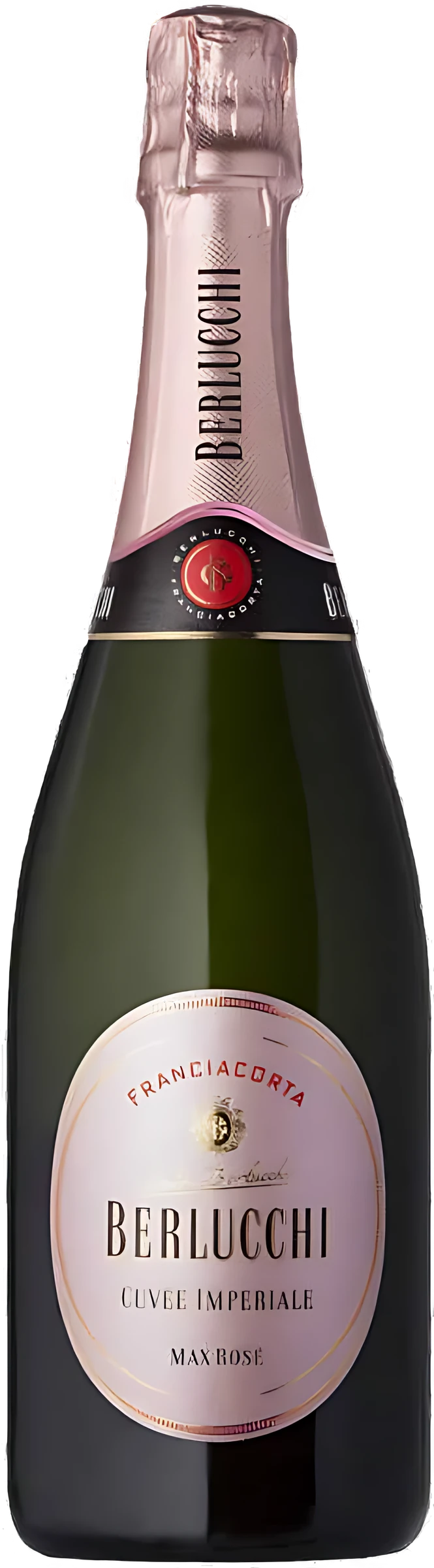
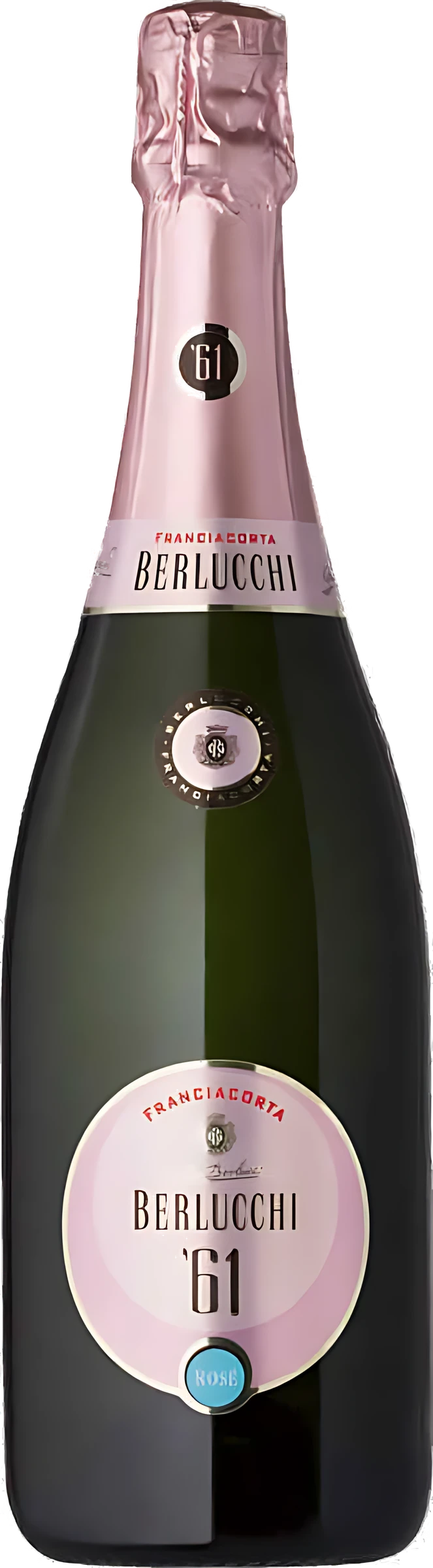
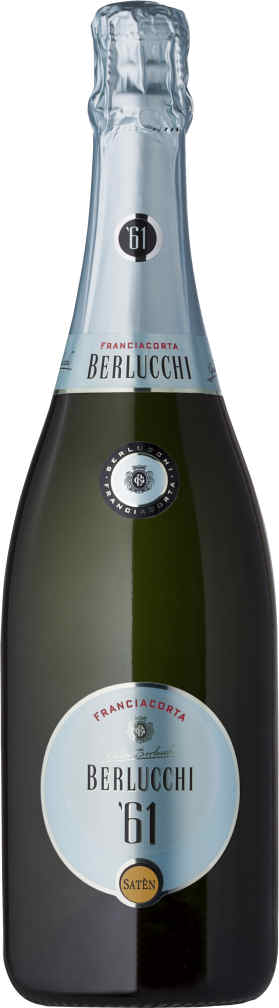
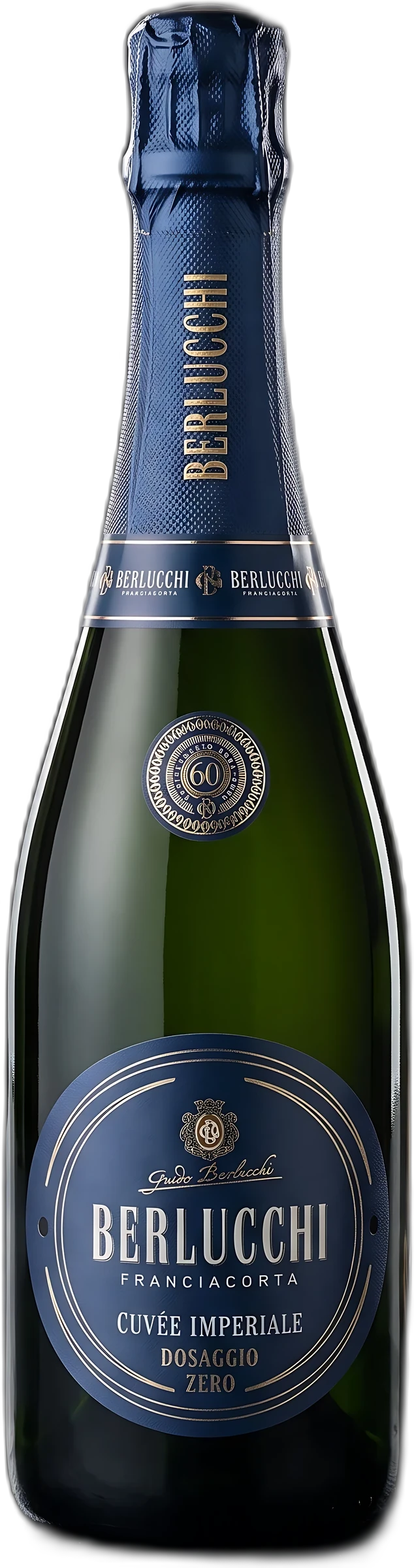
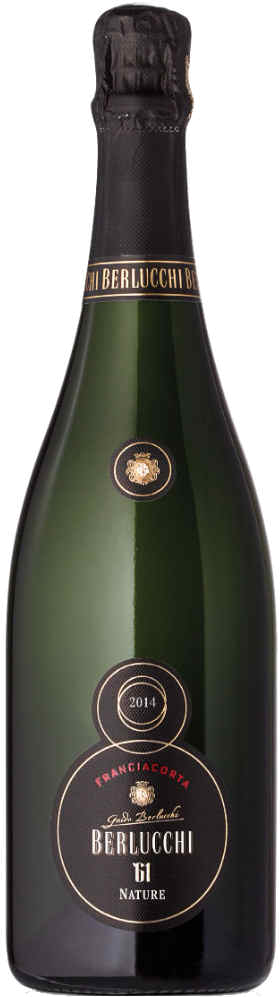
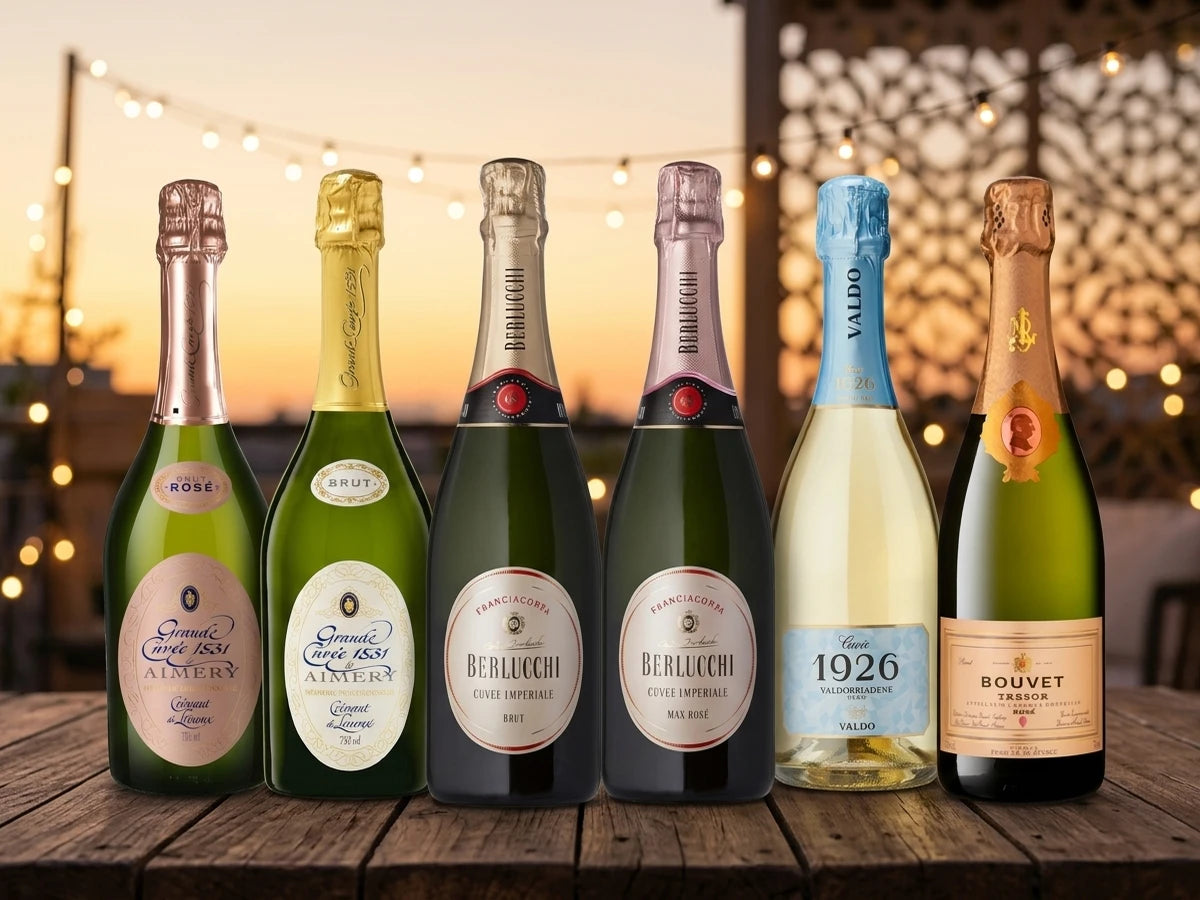
The range is divided into three clearly profiled families. The Cuvée Imperiale — the oldest line, named in reference to the first Berlucchi-Franciacorta — stands for accessible elegance: creamy perlage, light brioche, yellow fruit, dry finish. The 61 line, named after the founding year, takes more time on the yeast and shows a stronger, more structured characteristic; the Satèn from this series, vinified exclusively from white grape varieties with reduced pressure, stands out due to its particularly silky texture and fine perlage. Finally, the Nature 61 line works without or with minimal dosage and brings the terroir of the organic sites particularly directly into the glass. Common basis across all lines: Chardonnay, Pinot Nero, and Pinot Bianco from organic-certified Franciacorta sites, bottle fermentation according to the classic method, consistent yeast aging. Pairs well with: Risotto alla Milanese, grilled sea bass, creamy goat cheese, or — for dosage-free versions — oysters and seafood.