From monastery courtyard to Schwedhelm: a fresh start in the oldest wine-growing village in the Palatinate
Zellertal-Zell is the oldest wine-growing community in the northern Palatinate — and at the same time something of a geographical curiosity: the valley lies on the extreme northern edge of the Palatinate, surrounded by Rheinhessen, like a Gallic village between two worlds of wine. Here, Stephan and Georg Schwedhelm continued their parents' business in 2006, which at that time still operated under the name Klosterhof. Stephan, a trained winemaker with a degree from Geisenheim, took over the vineyard and cellar. His brother Georg, a business graduate by trade, joined a little later and took over organization and sales. In 2014, the brothers renamed the business — Weingut Schwedhelm — and at the same time sharpened their stylistic direction. They have been part of the VDP talent program since 2013, and Eichelmann rates them with three stars.
Barren soils, cool nights, manual labor
On the approximately 17 hectares of vineyards on the south slope of the Zellertal, the brothers work without chemical aids; defoliation, yield reduction, and canopy management are done by hand. The soils are the decisive foundation: limestone, clay, and marl alternate, the vines root deeply and absorb plenty of minerals. The climate in the valley is cool and dry with a constant wind — no comparison to the warmer sites further south in the Palatinate. These conditions require patience, but give the wines a nervous tension that wines from the lowlands cannot achieve. In the cellar, the wines are vinified in a differentiated manner: spontaneous fermentation in stainless steel tanks, several months of lees aging. In 2024, a newly built cellar began operations and creates the technical basis for even more precise vinification, tailored to stainless steel and wood aging depending on the site and grape variety.
Riesling as the core, Pinot as a supplement — clear, mineral, site-specific
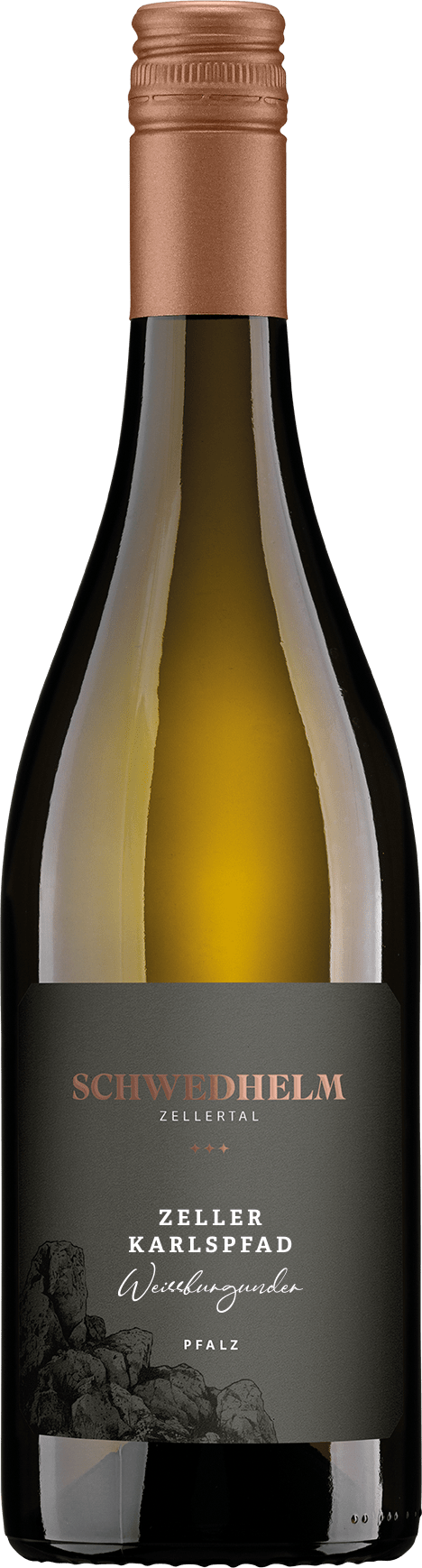
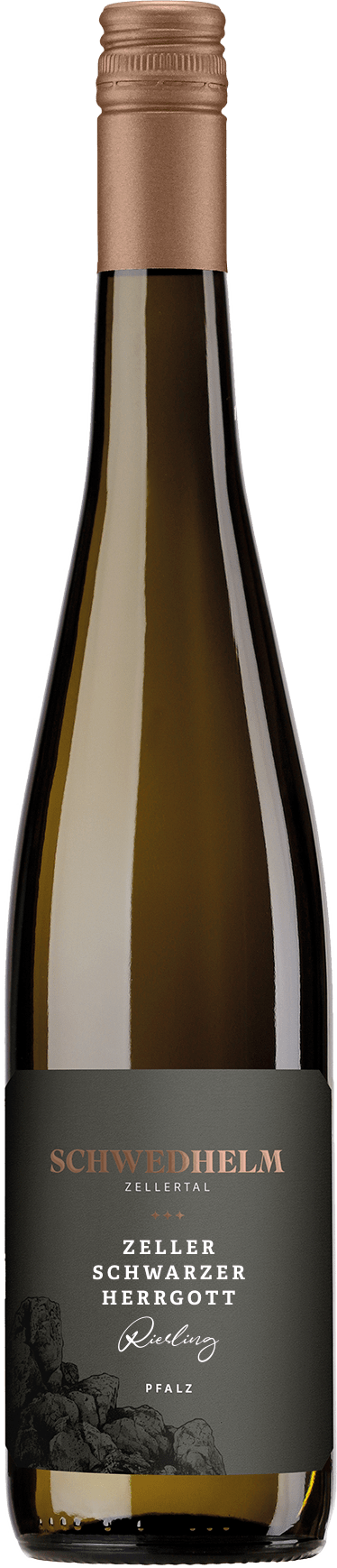
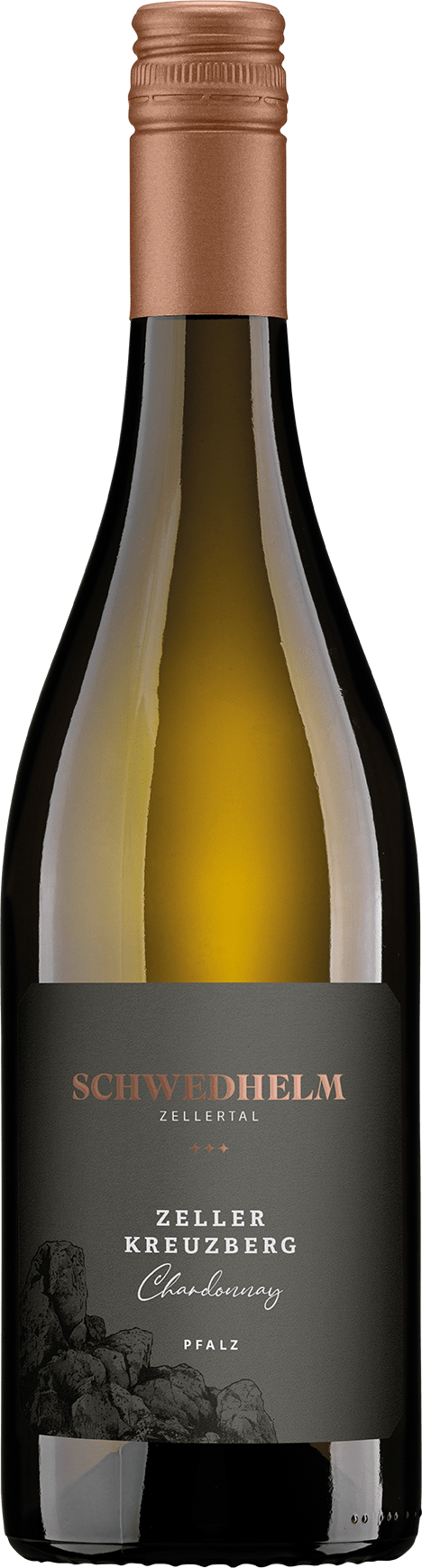
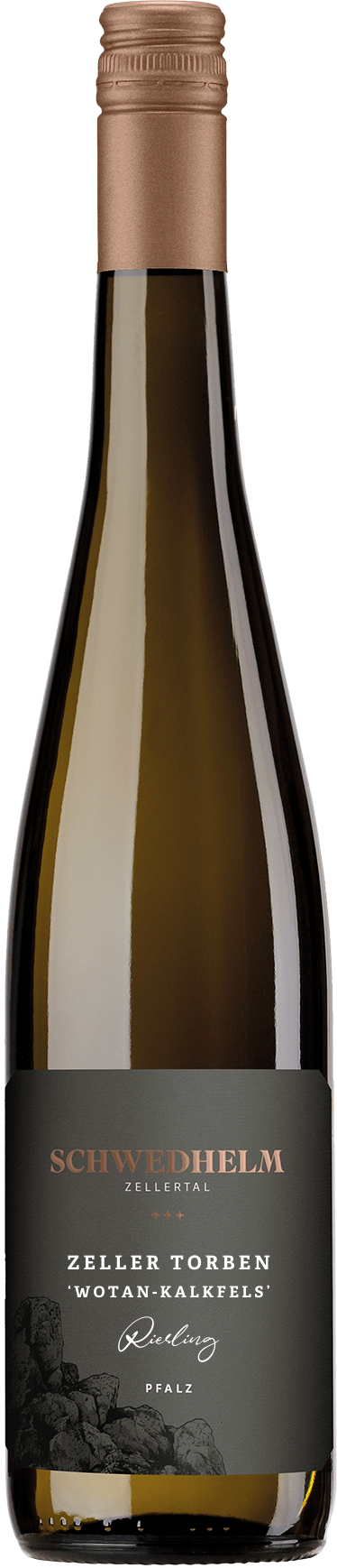
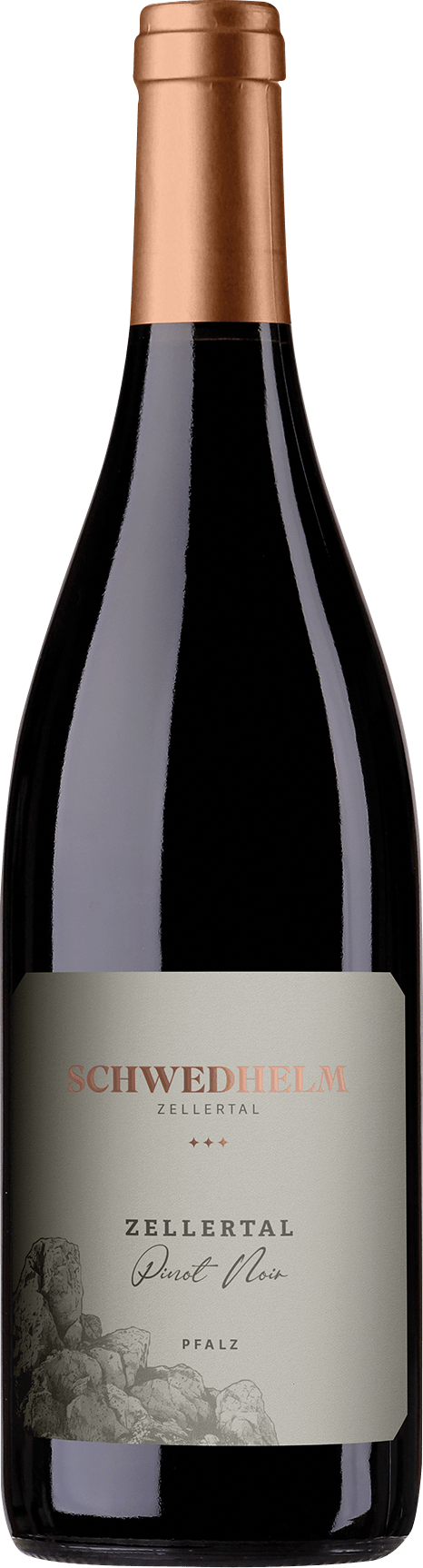
The range focuses on Riesling and the Pinot family — Pinot Blanc, Pinot Gris, Chardonnay, and Pinot Noir. The winery's star witness is the Riesling from Schwarzer Herrgott, a historic Grand Cru site on pure limestone, named after an old weathered wayside cross made from the rock of the vineyard. The limestone gives these Rieslings their striking minerality, a taut acidity structure, and a salty finish. The Erste Lage Zeller Kreuzberg stands for a somewhat warmer, fruitier style with ripe notes of peach and apricot, carried by a gripping cold minerality. Pinot Blanc and Chardonnay from the Karlspfad adopt the same limestone-influenced style: structured, straightforward, with a focus on terroir instead of flattery. The Pinot Noir from the Zellertal completes the picture — a red Pinot that reflects the coolness and tension of the valley just as much as the whites. What all Schwedhelm wines have in common: origin is readable, not decorative.