Nahe · Germany
Weingut In den Zehn Morgen
Read more Read less
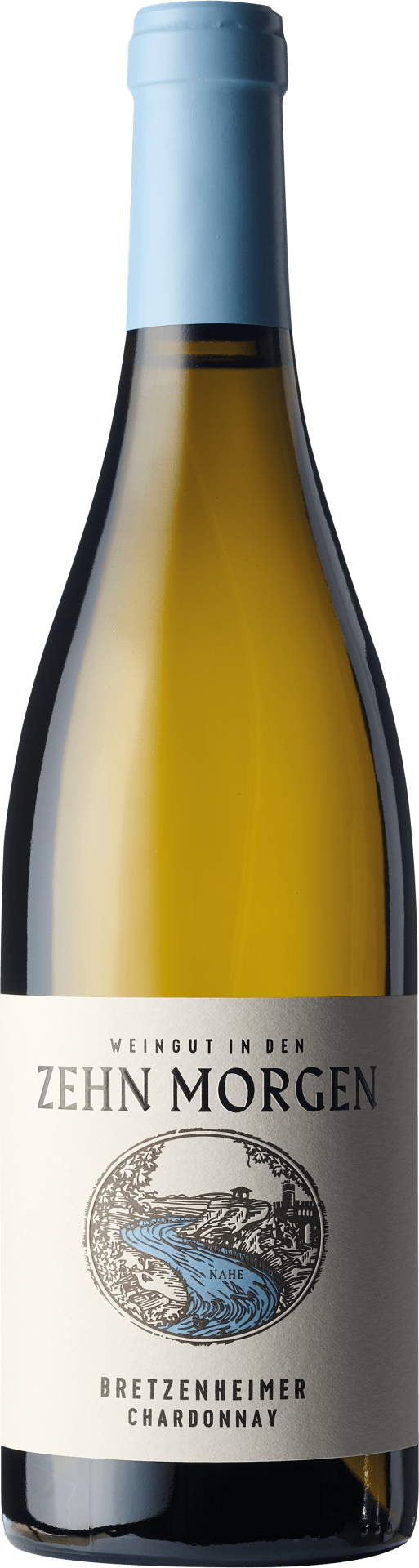
The In den Zehn Morgen winery represents Nahe wines with historical luster and natural charm from Bad Kreuznach. Since 2013, the estate has been building on legendary top vineyard sites – Riesling, Chardonnay and Pinot Noir thrive here on sandstone, loess and gravel, full of terroir and vibrancy.
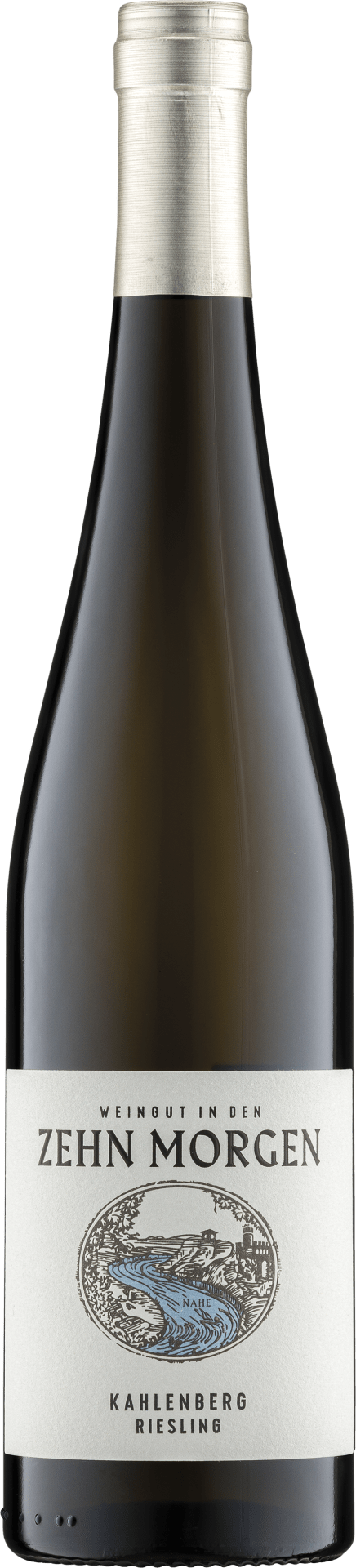
In the glass , fresh citrus notes , juicy fruit, and elegant minerality with a fine structure are captivating. Typical of vineyard sites like Krötenpfuhl or Schlossberg: balanced, spicy, and sustainably cultivated – certified organic and crafted with meticulous precision.
Here you'll find wines that revive tradition. Perfect for anyone who wants to enjoy German elegance with depth and regional soul.

Filters
10 products

Falstaff 2025 (Rating)
Awarded by Falstaff
Falstaff Chardonnay Trophy 2025
Awarded by Falstaff

VINUM Riesling Champion 2023 – Kategorie Ortswein
Awarded by Vinum
VINUM Riesling Champion Award 2022 - Kategorie Ortswein trocken
Awarded by Vinum
Falstaff 2022
Awarded by Falstaff

Falstaff Weinguide 2023
Awarded by Falstaff

Falstaff Weinguide 2025
Awarded by Falstaff Magazine


About Weingut In den Zehn Morgen
From Bad Kreuznach into the future: How Steffen Montigny reclaimed forgotten top sites
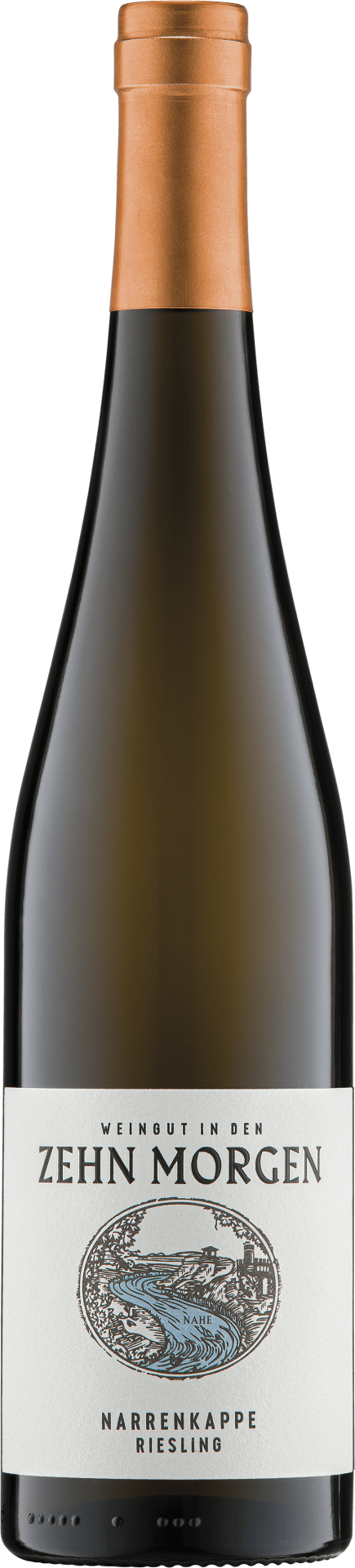
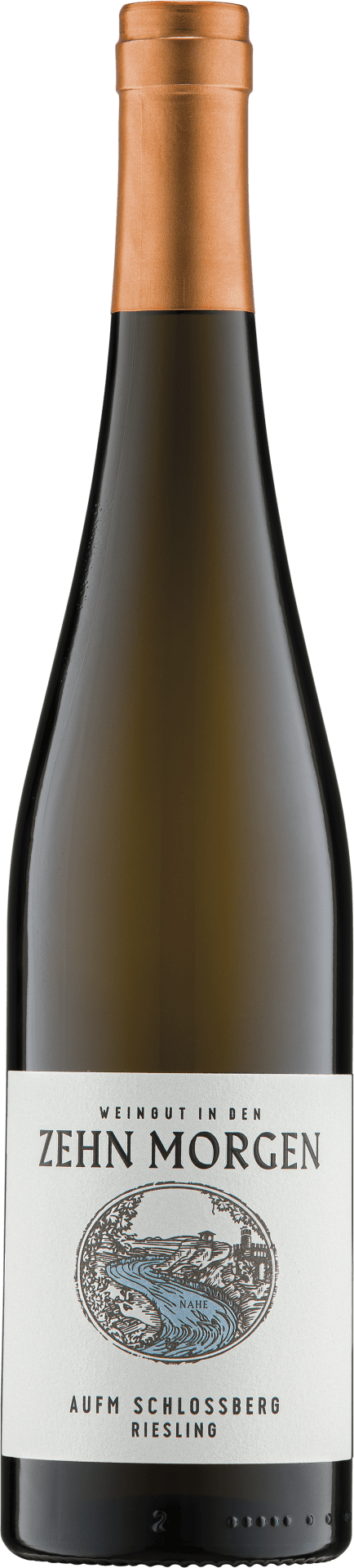
Bad Kreuznach was once one of Germany's most renowned wine addresses — a reputation that increasingly faded into oblivion over the course of the 20th century. 2013 saw Steffen Montigny take decisive action: Under the former name SJ Montigny KG, founded back in 2009 in Bretzenheim near Bad Kreuznach, he acquired vineyards from VDP founding member Ökonomierat August E. Anheuser, thereby securing the survival of historic sites that had continuously produced Riesling for over a century. Among them are Krötenpfuhl, Kahlenberg, Auf'm Schlossberg, Steinberg (monopole site), and Narrenkappe — names that carry weight in the wine history of the Nahe. For this new chapter, the estate gave itself a new name: In den Zehn Morgen, after the old field measurement describing about 0.25 hectares — the piece of land a farmer could plow in one morning.
Craftsmanship according to old traditions: near-natural vineyard, patient cellar
All grapes come exclusively from the estate's own vineyards around Bad Kreuznach — there is no purchasing of grapes or must. Since 2016, the sites have been cultivated in a near-natural manner: herbicides have no place; instead, cover crops and high-quality compost are used to promote soil life and strengthen the vines from within. From the 2022 vintage, all of the estate's wines are officially organic-certified. Hand-harvesting and whole-bunch pressing are standard; fermentation for the white wines occurs spontaneously, partly in stainless steel, partly in wooden barrels. In the cellar, the principle of patience applies: bottling only takes place when the wines themselves indicate the right time during tasting. Cellar master Stefan Schmidt is responsible for the gentle maturation, while Andreas Kretzschmar maintains the connection to sommeliers and retailers — a small, tightly-knit team with clearly defined responsibilities.
Riesling, Chardonnay, Pinot Noir: three grape varieties, one consistent terroir claim
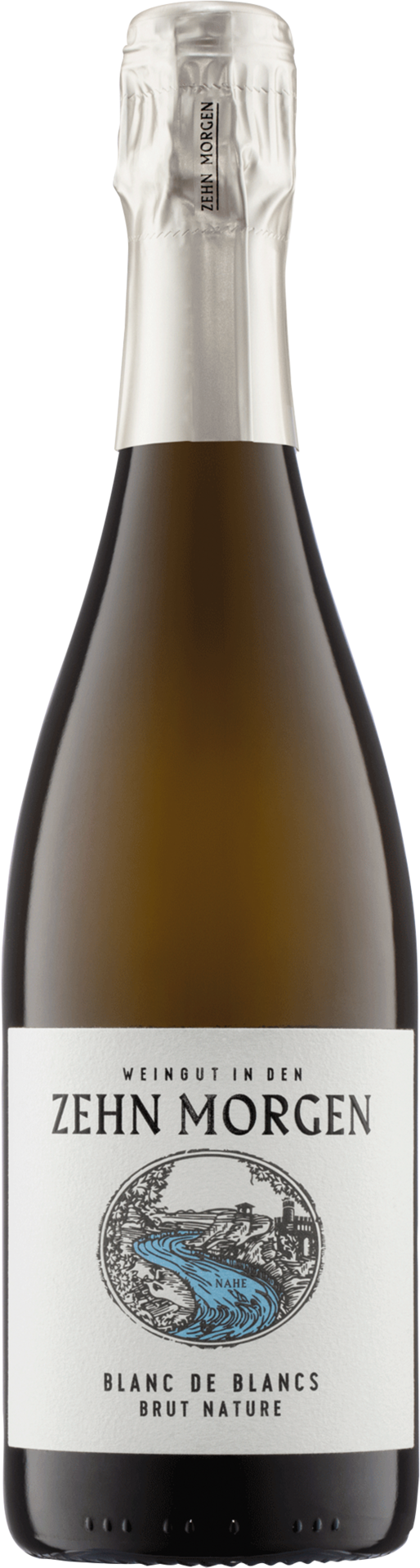
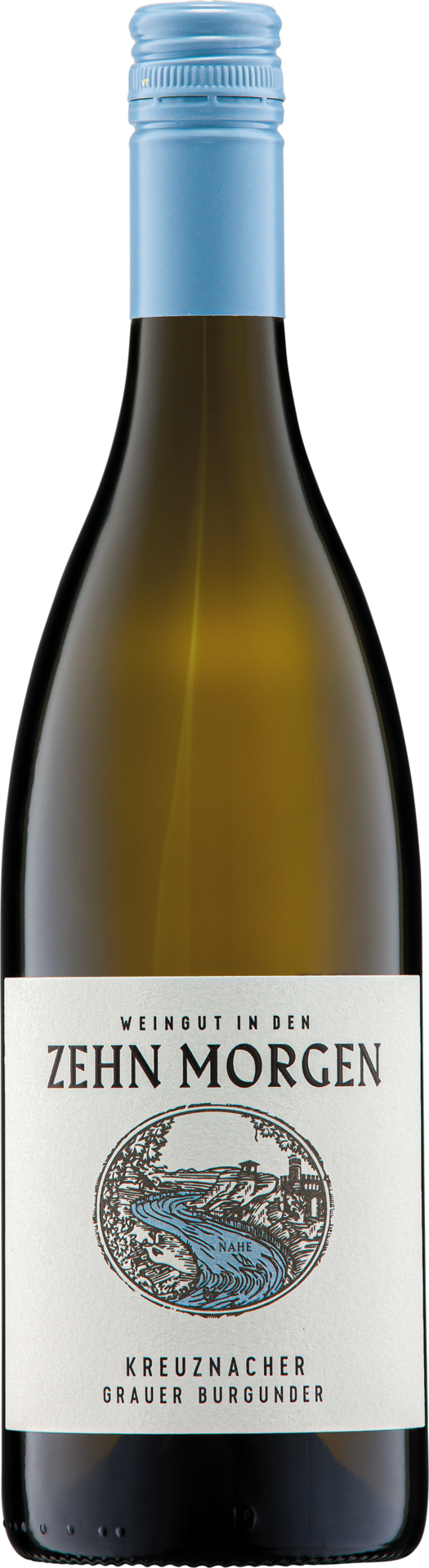
The estate has deliberately kept its selection of varieties narrow. Riesling has grown uninterruptedly on these soils for more than a hundred years — on yellow and red sandstone, on gravel, loess, and terrace shingle. Chardonnay and Pinot Noir were added as new plantings because the estate sees them as the only other varieties capable of interpreting the local terroir with equal merit. The soils are sharply defined depending on the site: Krötenpfuhl stands for terrace shingle and sand with loess, Auf'm Schlossberg for sandstone and gravel. In the glass, this translates into citrus aromas with a stony, spicy note, with Riesling featuring a dense acid structure and mineral finish; the Pinot Gris presents itself as dry and grippy with sandstone minerality in the aftertaste. The range is complemented by a Blanc de Blancs Brut Nature — a sparkling wine that transfers the estate's precision to the perlage. In 2022, the Vinum Award named the winery the Riesling Champion in the local wines category and awarded it gold — an early but proven confirmation that the return of these sites to the spotlight is not mere nostalgia.
Award-winning wines
Falstaff 2025 (Rating)
Awarded by Falstaff
Falstaff Chardonnay Trophy 2025
Awarded by Falstaff
VINUM Riesling Champion 2023 – Kategorie Ortswein
Awarded by Vinum
VINUM Riesling Champion Award 2022 - Kategorie Ortswein trocken
Awarded by Vinum
Falstaff 2022
Awarded by Falstaff
Falstaff Weinguide 2023
Awarded by Falstaff
Falstaff Weinguide 2025
Awarded by Falstaff Magazine