From Dutch entrepreneurial spirit to pioneer of the Valle de Uco
The history of Bodegas Salentein begins with a detour. Mijndert Pon, son of a Dutch entrepreneurial family that had built its fortune on importing Volkswagens, originally wanted to sail around the world. An accident in the Panama Canal changed his plans—and ultimately his biography—fundamentally. On a hunting and fishing trip in Argentina, he discovered the Valle de Uco, a then barely developed highland region south of Mendoza. 1996, Pon bought the current estate and began planting vineyards. A year later, he planted the first Malbec vines at an altitude of 1,300 meters—at that time a novelty in the entire Valle de Uco. He laid the foundation for today's winery in 1998. What followed was not gradual growth, but a consistent project: Salentein helped define what the Valle de Uco is today—Argentina's best-known wine region for high-quality, terroir-driven wines.
The winery has remained in the possession of the Pon family ever since. The first vintage in 1999 turned into a winery that is now one of the most discussed addresses in South America and was voted among the World's Best Vineyards in 2023.
Cross-shaped winery, heavy soils, cool nights
The structure of the winery is no coincidence: the cross-shaped building—designed by the Argentine architectural firm Bormida & Yanzón—is designed for gravity-fed vinification. Each of the four wings has its own stainless steel tanks and French oak barrels on the ground floor; the basement is reserved for aging in barriques on natural stone floors. Thanks to the gravity principle, pumps are largely avoided, which treats the grapes and the must more gently. This decision is exemplary of the house's standard: quality through care, not through intervention.
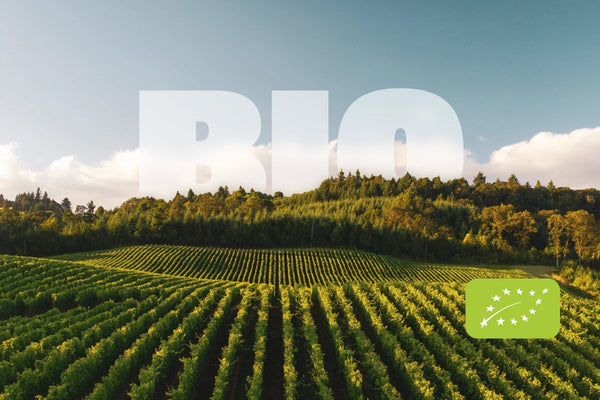
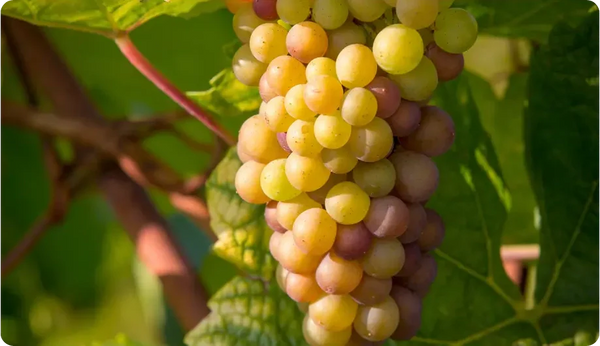
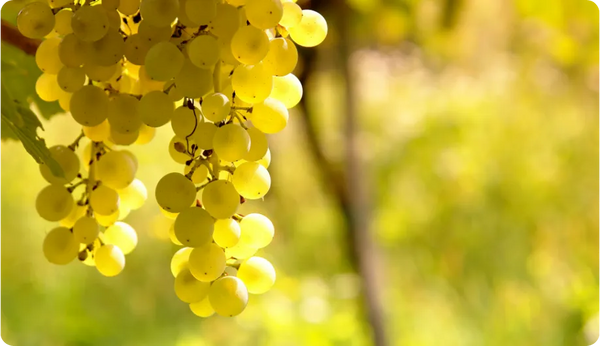
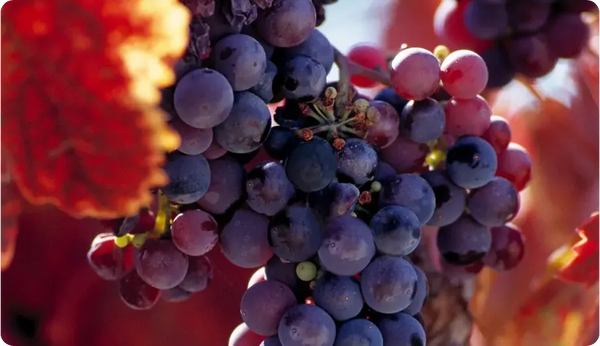
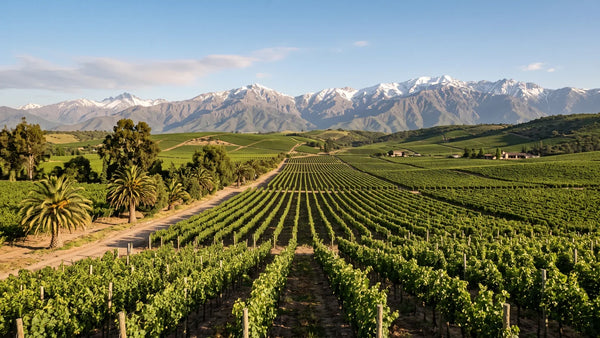
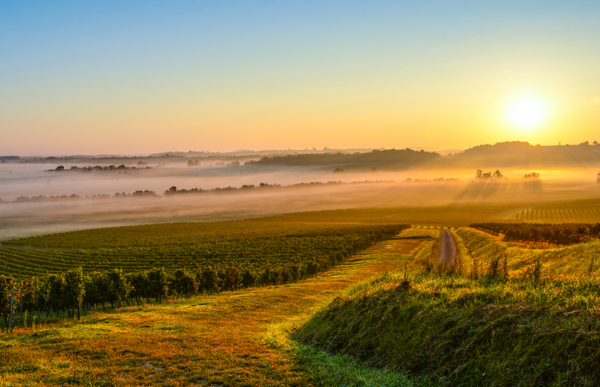
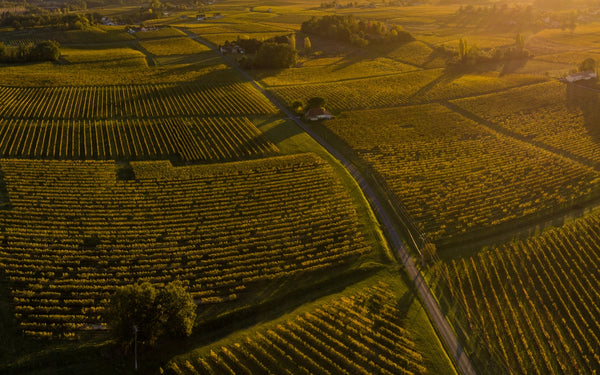
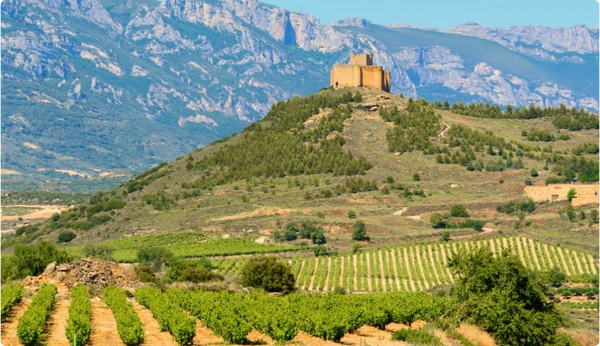
The approximately 800 hectares of estate-owned vineyards are located exclusively in the Valle de Uco, spread across altitudes between 1,050 and 1,700 meters. The soils are barren—stony alluvial soil with a low organic content—which forces the roots to dig deep. The temperature difference between day and night is pronounced: intense Andean sun during the day, strong cooling at night due to mountain winds. The result is grapes with dense fruit pulp and stable natural acidity that retains freshness even without correction in the cellar. The entire harvest is done by hand.
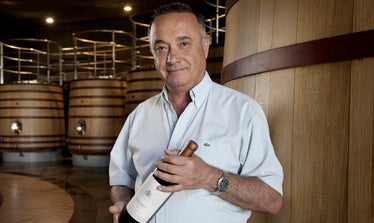
The house's vinifier is José Galante, whom many call the "father of modern Argentine Malbec." After 34 years as chief oenologist at Catena Zapata, he moved to Salentein in 2010. His approach: preserve fruit aromas and structure through gentle fermentation management and the targeted use of oak—without masking the characteristics of the grape variety or the soil. For Galante, the natural acidity of the Valle de Uco is not a problem to be solved, but the decisive quality feature of this high altitude.
Malbec, Cabernet Franc and the depth of the highlands
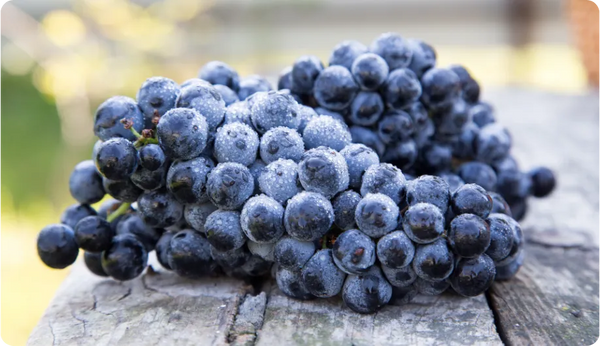
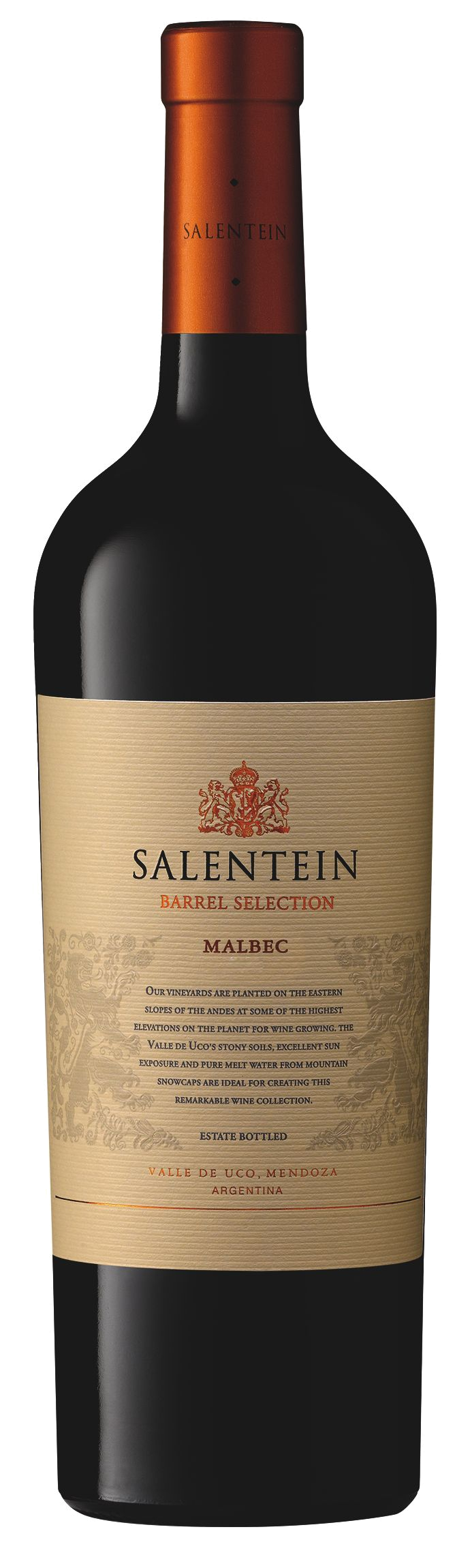
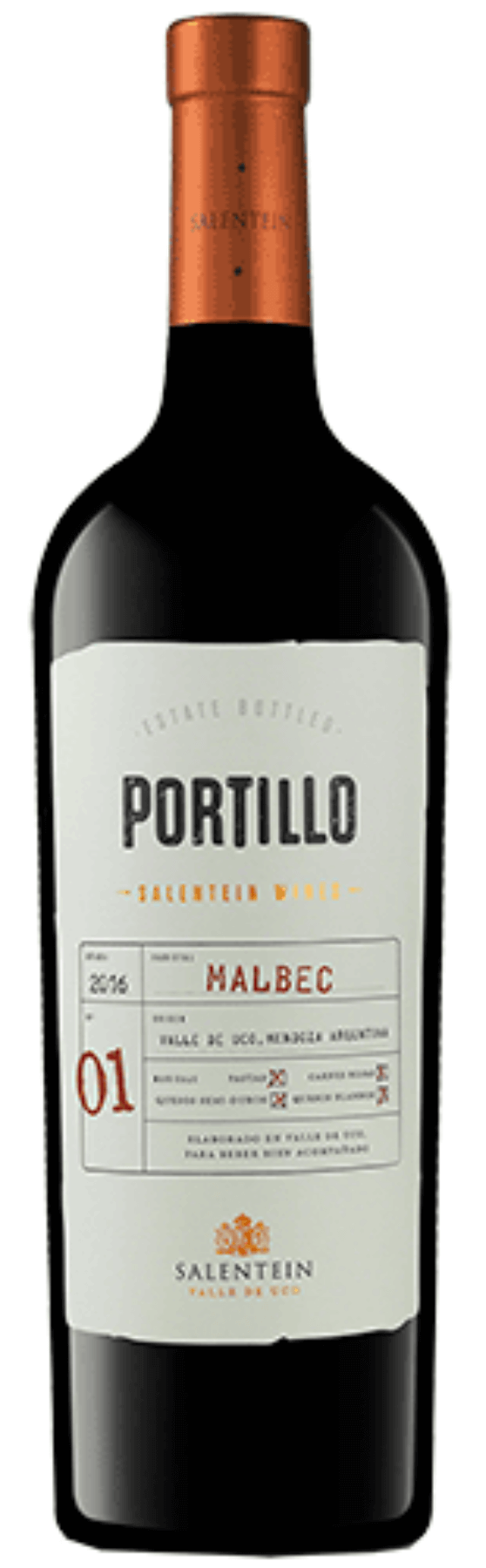
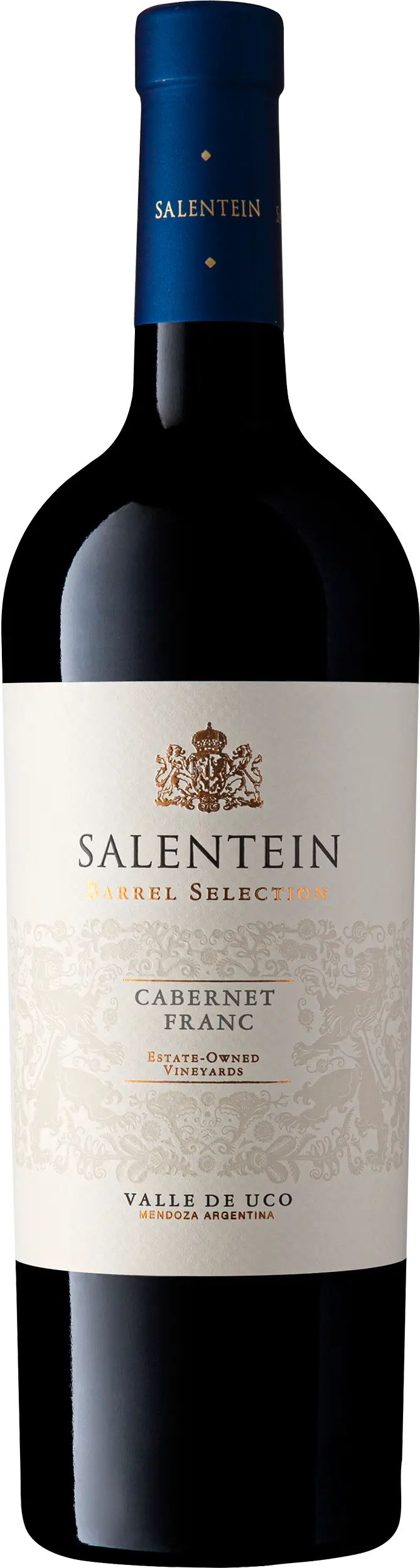
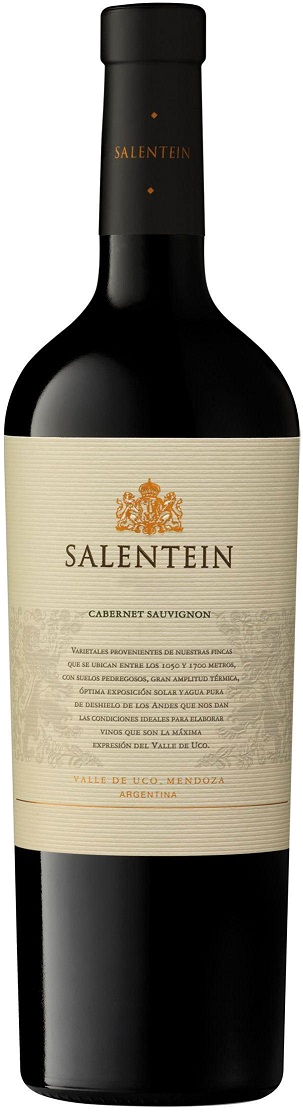
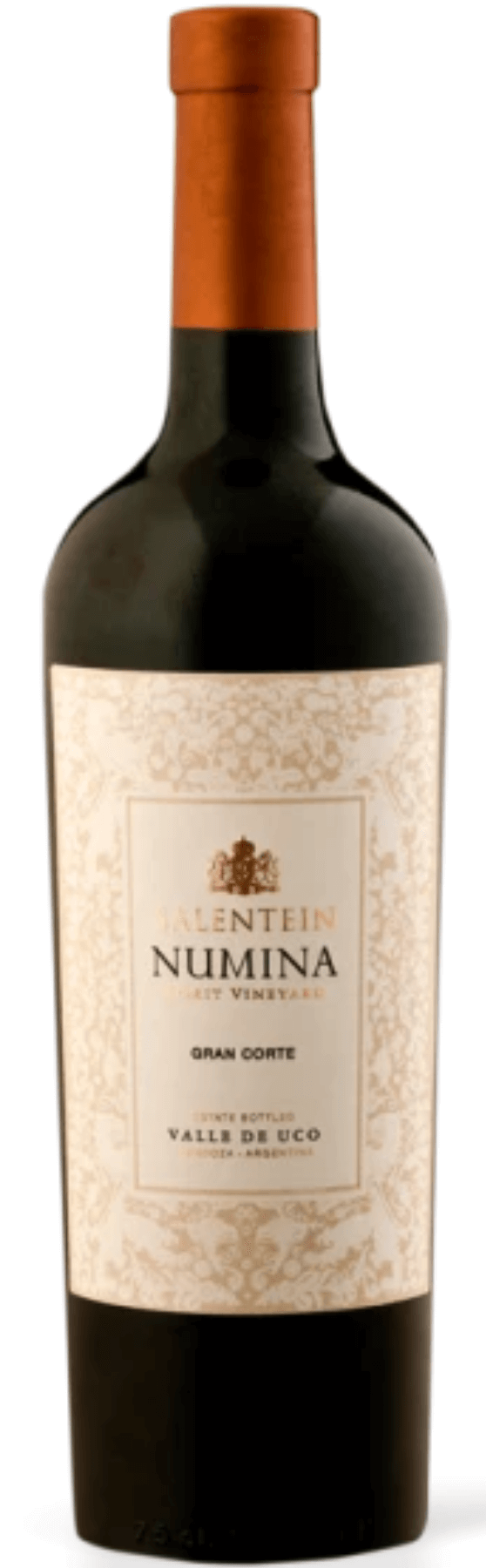
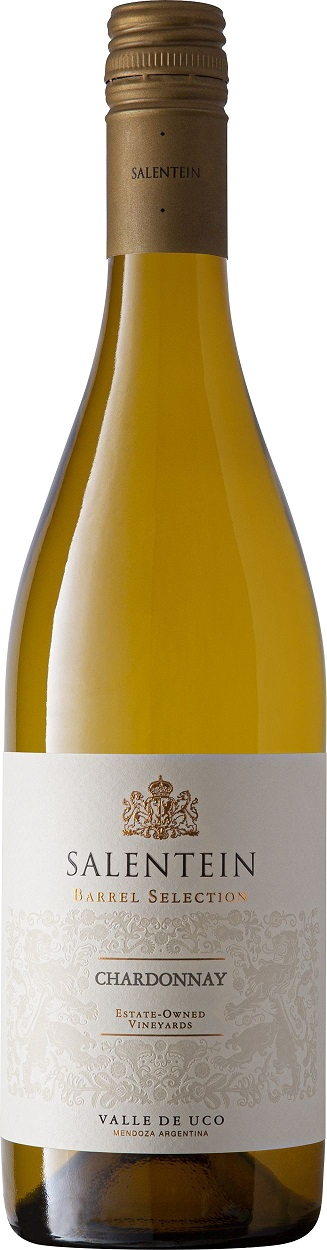
Salentein's range spans from accessible entry-level wines to cellar-worthy prestige cuvées. The Portillo Malbec stands for the uncomplicated, fruit-forward style of the valley: dark berry aromas, soft tannins, direct finish—an everyday wine with a clear language of origin. The Barrel Selection line deepens this approach with aging in French oak: the Cabernet Franc shows the herbal spice and fine structure typical of the high altitude, while the Chardonnay remains characterized by a fresh citrus line despite barrel aging. Malbec and Cabernet Sauvignon from this series impress with dense fruit and sustainable tannins. At the top is the Numina Gran Corte, an assemblage of the estate's best plots, which most clearly articulates the house's claim to terroir interpretation.
Those who understand Salentein also understand how the Valle de Uco shapes its wines: cool, precise, with a minerality that comes from the Andean stone, and a fruit that ripens slowly but concentrated at this altitude.