Three generations, a farm on the edge of Pfeddersheim
The Pfannebeckers have been growing wine in southern Rheinhessen for centuries. Wolfgang Pfannebecker founded the current estate in 1960 on the outskirts of Pfeddersheim — at that time still as a mixed agricultural farm, located directly in the Kreuzblick vineyard site. His son Holker studied viticulture in Geisenheim, took over the farm in 1979 together with his wife Margit, and consistently focused the business on viticulture. The winery thus became known in the region as the Burgunderhof. Since 2003, Max Pfannebecker has been responsible for the vineyard and cellar; after his training as a viticulture technician in Bad Kreuznach and years of apprenticeship with Philipp Kuhn and Knipser, he officially took over management in 2006. His wife Susanne has been at his side since 2004. Today, three generations work together under one roof.
Organic since 2007 — manual labor as a principle
With the 2007 vintage, the winery converted to certified organic cultivation. Since then, work has been carried out exclusively according to EU organic guidelines, and all wines are produced vegan. In the vineyard, the year begins in January with hand-guided pruning; each vine is examined individually. The harvest is done by hand, and the grape processing is gentle. In the cellar, the grapes ferment spontaneously with the grape's own wild yeasts; the wines then mature on the fine lees — white local and site wines for about a year, the reds for up to two years. Max Pfannebecker's premise sums up the philosophy: a wine cannot be better than the grape from which it is pressed.
The vineyard holdings include three historical single sites in Pfeddersheim, which have demonstrably been cultivated since late Roman antiquity: Sankt Georgenberg, Hochberg, and Kreuzblick. The Sankt Georgenberg is a gently rising south-facing slope that is cooled by the wind even on hot days. The vines take root in deep loess-loam soils with good water-storing properties — ideal conditions for aromatic ripeness combined with a fresh acid structure. A special feature of the site: a manuscript dated to St. Martin's Day 1511 documents Riesling cultivation here — it is considered the oldest known document of a Riesling vineyard ever.
Burgundy focus with Riesling character
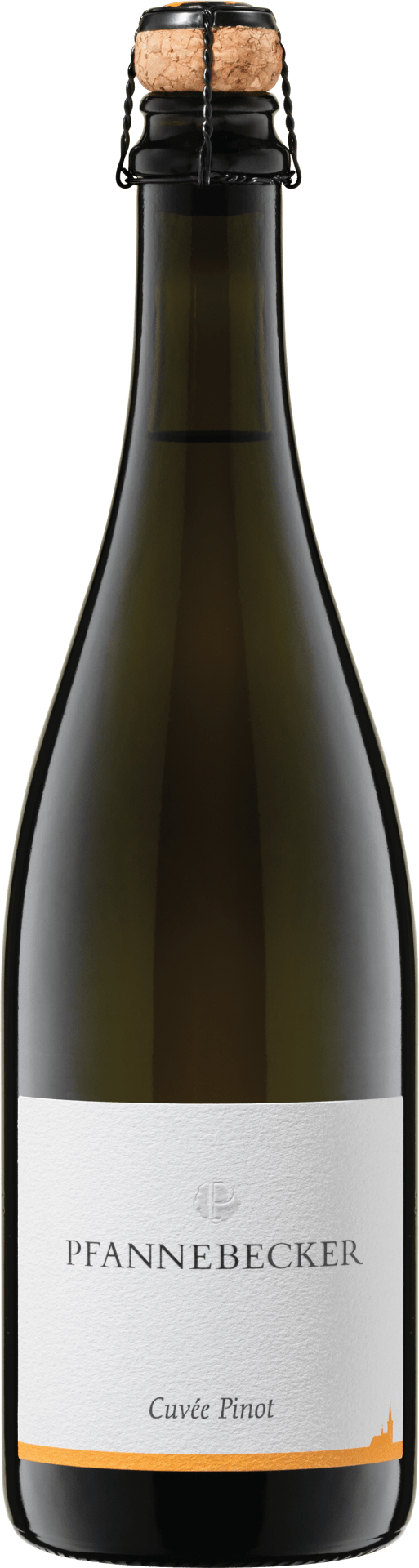
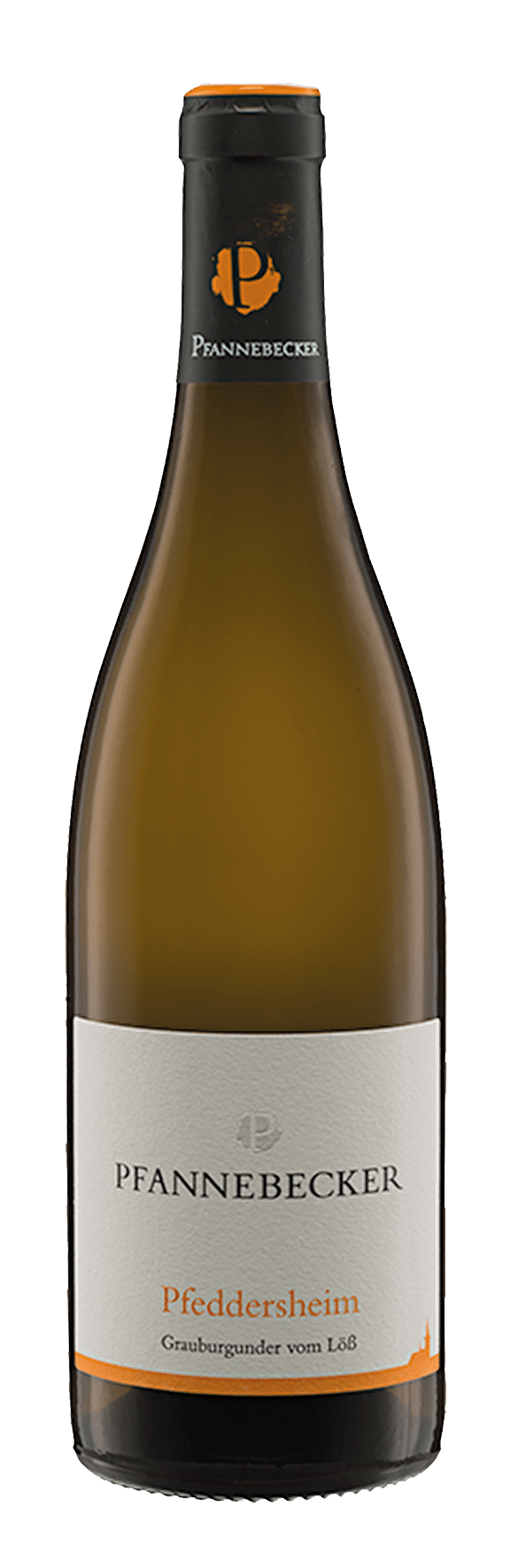
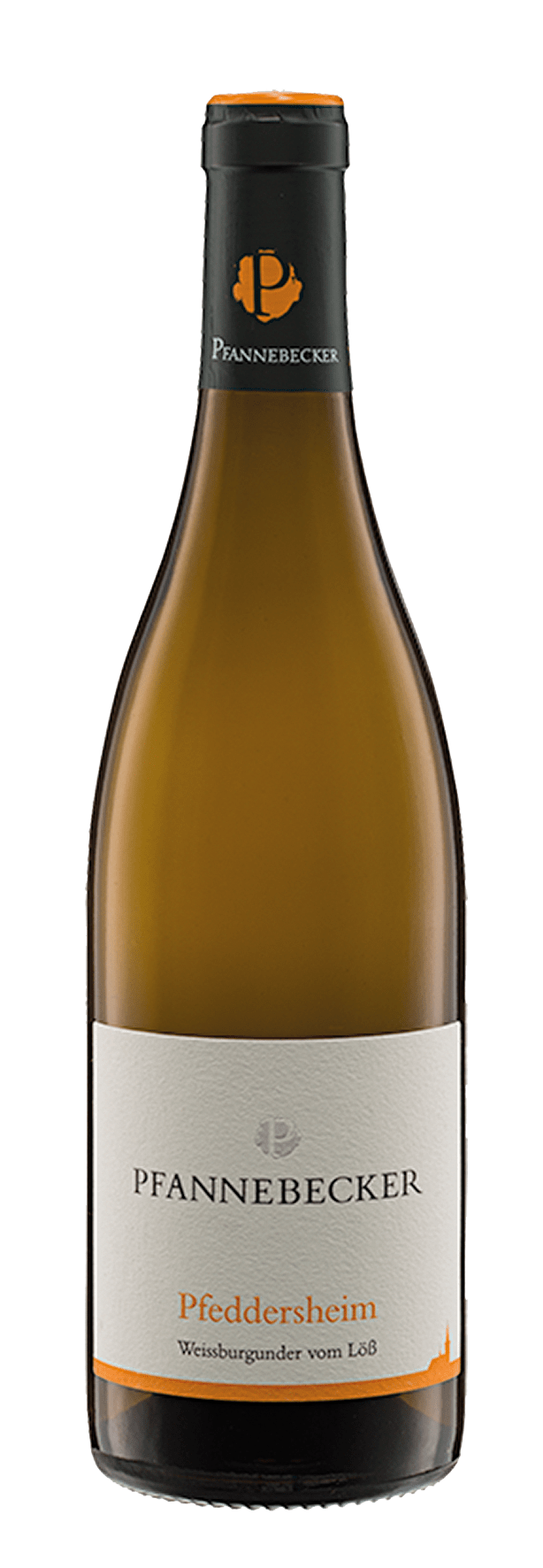
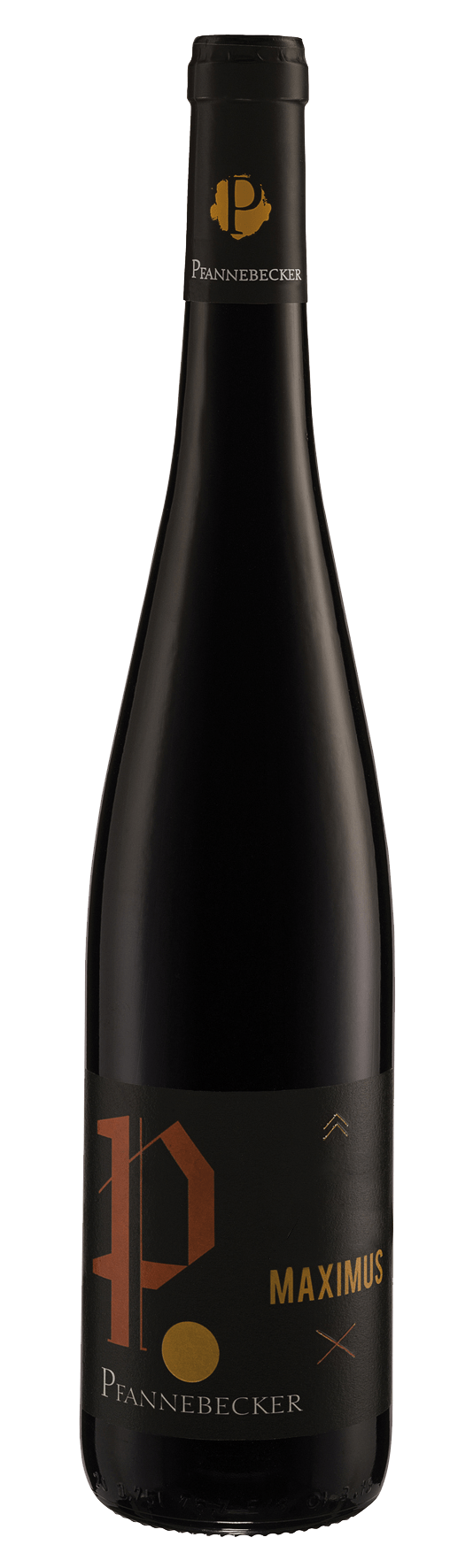
The range revolves around Pinot Gris and Pinot Blanc, Pinot Noir, and Riesling, supplemented by Sauvignon Blanc, Cabernet Sauvignon, Syrah, and the rarely grown Goldmuskateller. At Vinoscout, you will primarily find the Pfeddersheim site wines from loess — Pinot Gris and Pinot Blanc that make the deep loess soils directly palpable — as well as the Sankt Georgenberg Maximus, a powerful red wine cuvée from the eponymous top site, and the Sekt Cuvée Pinot Brut. The style across all wines is dry, precise, and carried by natural fruit: no excessive use of wood, but rather texture through lees aging. Gault Millau and Eichelmann have each awarded the winery two rating units, confirming what has long been true in Pfeddersheim — the Pfannebeckers are among the most reliable addresses in southern Rheinhessen.