From a Tyrolean mountain family to a Leithaberg pioneer
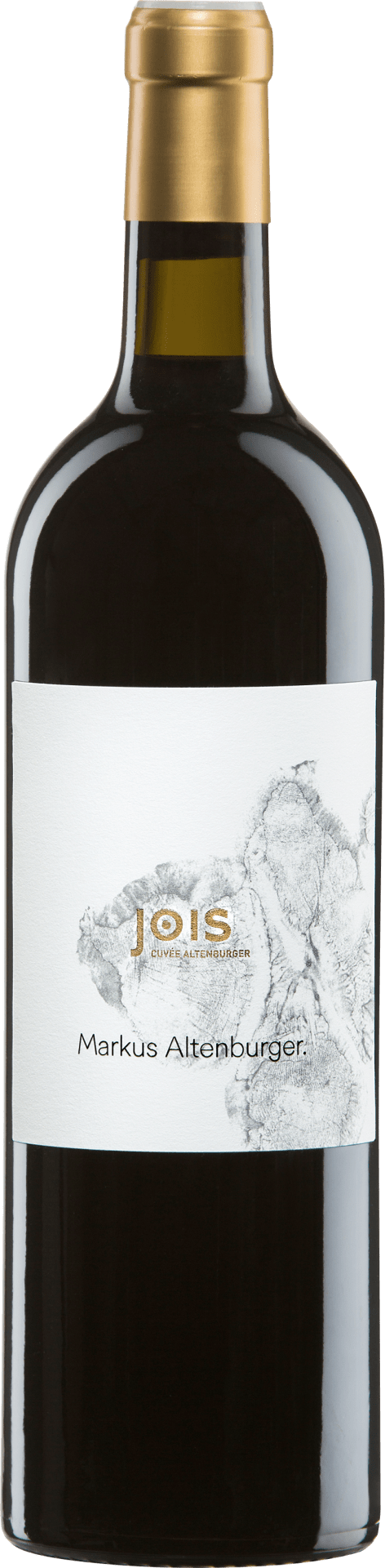
The Markus Altenburger winery is located in Jois, Burgenland, a small town between the Leitha Mountains and Lake Neusiedl. The Altenburger family moved here from Tyrol in western Austria in the 16th century — and has been running a traditional mixed farm with viticulture ever since. Today, Markus continues the winery in this long line, together with his partner Bernadette. His grandfather laid the foundation for the current parcel sites: the oldest vines on the Jungenberg were planted in 1969, and his father Matthias planted more vines in 1990. The fact that viticulture is practiced on the Joiser Jungenberg at all is not a new idea — the vineyard has a proven history of viticulture spanning over 800 years.
Nature instead of order: viticulture with patience and stubbornness
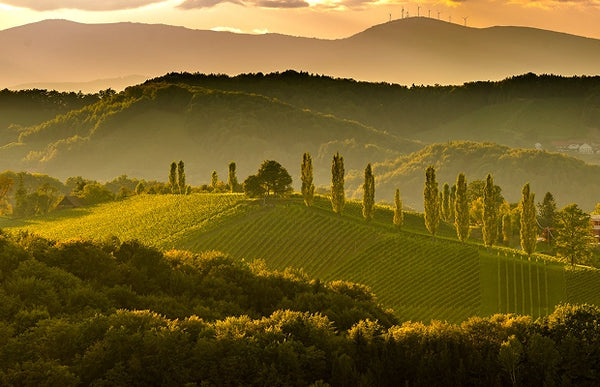
Markus Altenburger himself describes his vineyards as backward and untidy — from the perspective of conventional wisdom. The cover crop grows untrimmed between the vine rows, and fresh shoots are not pruned. This is not an oversight, but a stance: biodiversity in the vineyard takes precedence over a well-groomed appearance. In the Jungenberg, the prime example of this approach, no tractor has been used for years. The estate's 17 hectares include several sites on the Leitha Mountains — including Jungenberg (south-facing slope, slate) and Hackelsberg (north-facing slope, also slate). Two-thirds of the vines are over 30 years old and yield correspondingly low harvests.
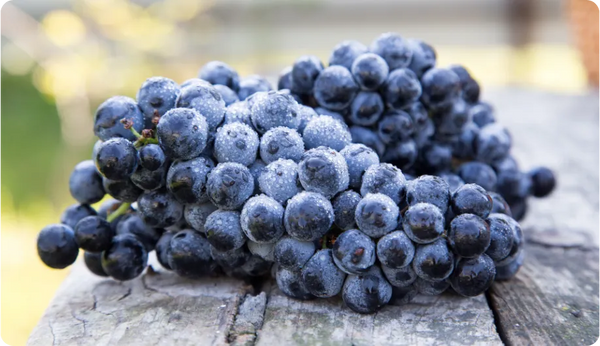
In the cellar, Altenburger works with spontaneous fermentation, large wooden barrels, and concrete eggs. For the flagship Jungenberg Blaufränkisch, the grapes are fermented in open fermentation vats after being harvested by hand, followed by aging for over 20 months in 500-liter barrels. The quantities are radically small: in strong vintages, there are barely more than 400 to 500 bottles of the Jungenberg site wine — often only a single barrel in total production. Since 2006, no new non-Blaufränkisch grape varieties have been planted at the estate, which underscores the focus on the main local variety.
Chalky minerality, delicate tannin, no compromise on the range
The white wines made from Chardonnay, Neuburger, and other varieties represent what Altenburger himself describes as chalky-salty-spicy — shaped by the limestone and slate soils of the Leithaberg, which force the vines to dig through a layer of slate before they hit Leitha limestone. This soil stratification is reflected directly in the wines: depth, texture, and salty length instead of heavy fruit. The red wines are all about Blaufränkisch — from the easy-drinking base quality to the dense, age-worthy Jungenberg, whose profile of red forest berries, pepper, tobacco spice, and fine slate tone has attracted international attention. Wine Enthusiast magazine nominated a Jungenberg vintage as one of the 100 best wines of the year — 14th place, the best wine from Austria. Those looking for mature vintages will find them in the "Reif & Rar" section: Altenburger has been setting aside reserves for over 15 years and only releases wines when he considers them ready to drink under his own storage conditions. This is not a marketing trick, but the consistent end of a long chain of decisions.