

Región del Nuevo Cuyo · Argentina
Catena Zapata
Read more Read less
Catena Zapata represents a story deeply rooted in the Andes. Nicolás Catena Zapata was one of the first to bring Argentinian Malbec to the world stage – not with fanfare, but with conviction and patience. The vineyards are located in Mendoza, some at altitudes of over 1,500 meters. There, where the air is thin and the sun intense, grapes ripen slowly, developing a depth that you immediately perceive in the glass: dark berries, a hint of violet, velvety warmth – and always that elegant freshness that high-altitude vineyards bring. Today, his daughter Laura runs the winery with scientific ambition and genuine passion. She researches which ancient grape varieties and soils of Argentina still lie dormant – and bottles the results. You can taste it: wines with character, attitude, and a story worth telling.

Filters
11 products


James Suckling 2024
Awarded by James Suckling

Best Design & Packaging for Wine 2025
Awarded by The Drinks Business Awards
International Wine Cellar 2005
Awarded by International Wine Cellar

Sommelier Wine Awards
Awarded by Sommelier Wine Awards
About Catena Zapata
From Nicola to Laura: five generations and a wine revolution
The story of Catena Zapata begins at the end of the 19th century, when the Catena family emigrated to Argentina from the Italian region of Marche. In 1902, Nicola Catena planted his first vineyard in Mendoza — including early Malbec vines that hardly anyone took seriously at the time. His grandson Nicolás Catena Zapata, who taught as a visiting professor at the University of California in Berkeley in the early 1980s, met Robert Mondavi there and experienced the rise of the Napa Valley up close. The realization he took back from California was simple: what succeeded there had to be possible in Mendoza as well. Back in Argentina, he consistently turned away from mass production and focused on terroir, precision, and altitude. Today, his daughter Dr. Laura Catena, a trained physician with degrees from Harvard and Stanford, continues to run the winery in the fourth and fifth generation — as managing director and founder of the Catena Institute of Wine.
Vineyards in search of the coolest point in Mendoza
The common thread in Catena Zapata's work is altitude. Nicolás Catena Zapata systematically explored the foothills of the Andes and planted vines where no one expected them to ripen. The result of this search is the Adrianna vineyard in Gualtallary, at nearly 1,500 meters above sea level — described by wine critics as the "Grand Cru of South America." With increasing altitude, average temperatures drop, the day-night temperature difference increases, and intense high-altitude light increases polyphenol formation in the berry skin. The result: natural acidity, structure, and a mineral freshness that sites at lower levels cannot reach. The vineyards are worked parcel by parcel according to soil composition; between 200 and 300 separate lots are created at the Adrianna vineyard, which are vinified separately and set for natural fermentation in the barrel. The Catena Institute of Wine, founded by Laura Catena in 1995, has so far published 25 scientific articles in peer-reviewed journals — on microorganisms, pollinators, and soil structures of the Adrianna vineyard. 39% of the vineyard area remains in an untouched state; energy consumption and soil moisture are monitored via a proprietary sensor network.
Malbec, Chardonnay, Cabernet — what the wines in the glass show
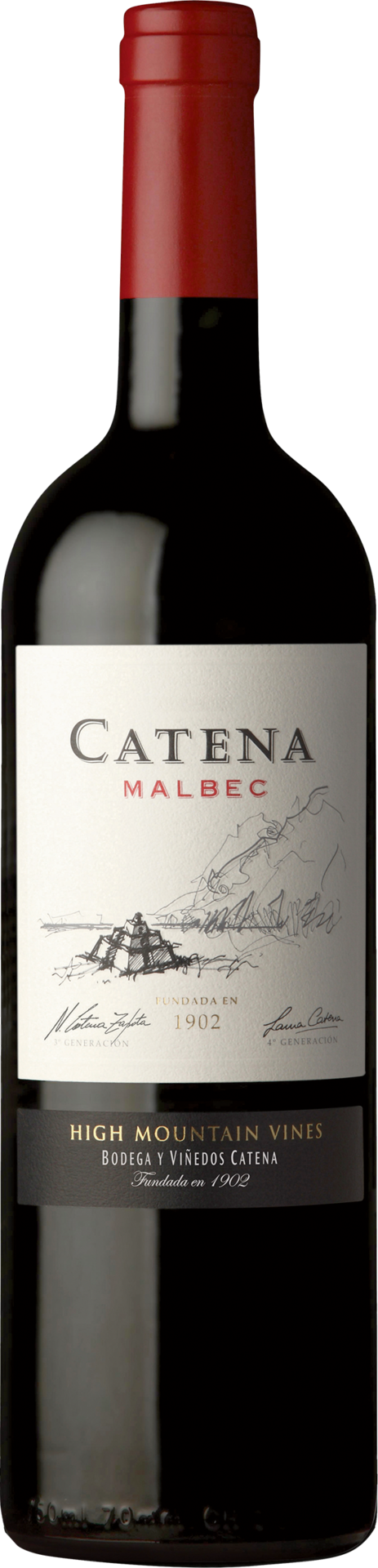
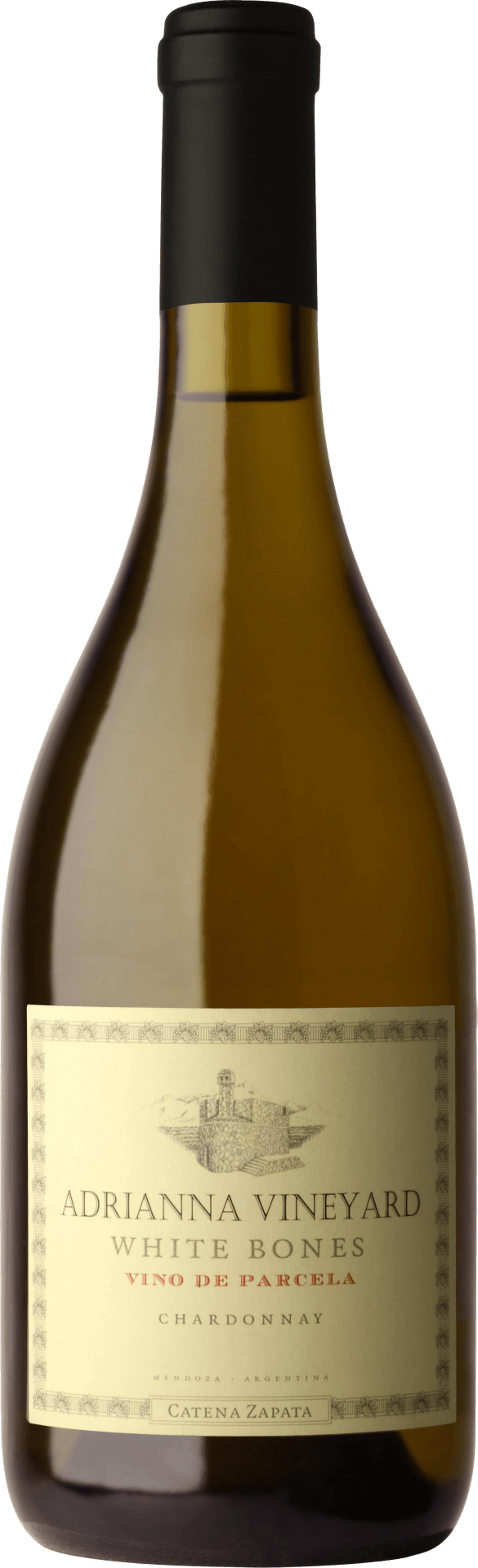
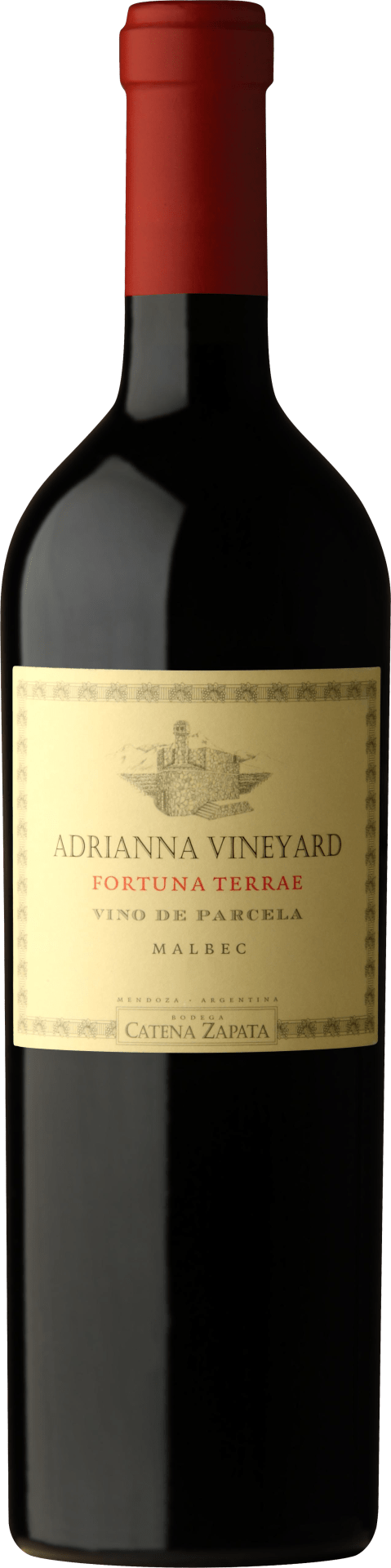
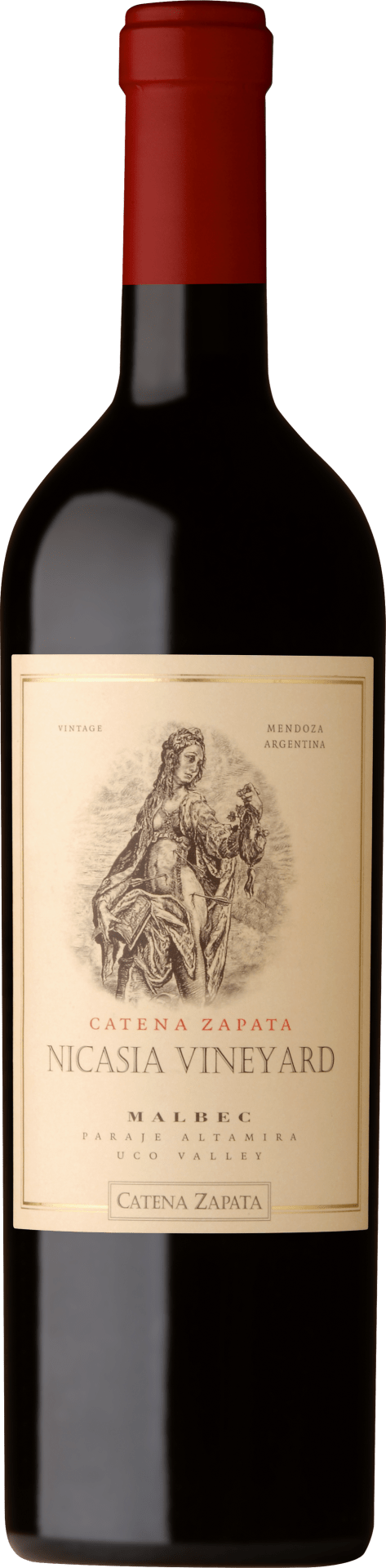
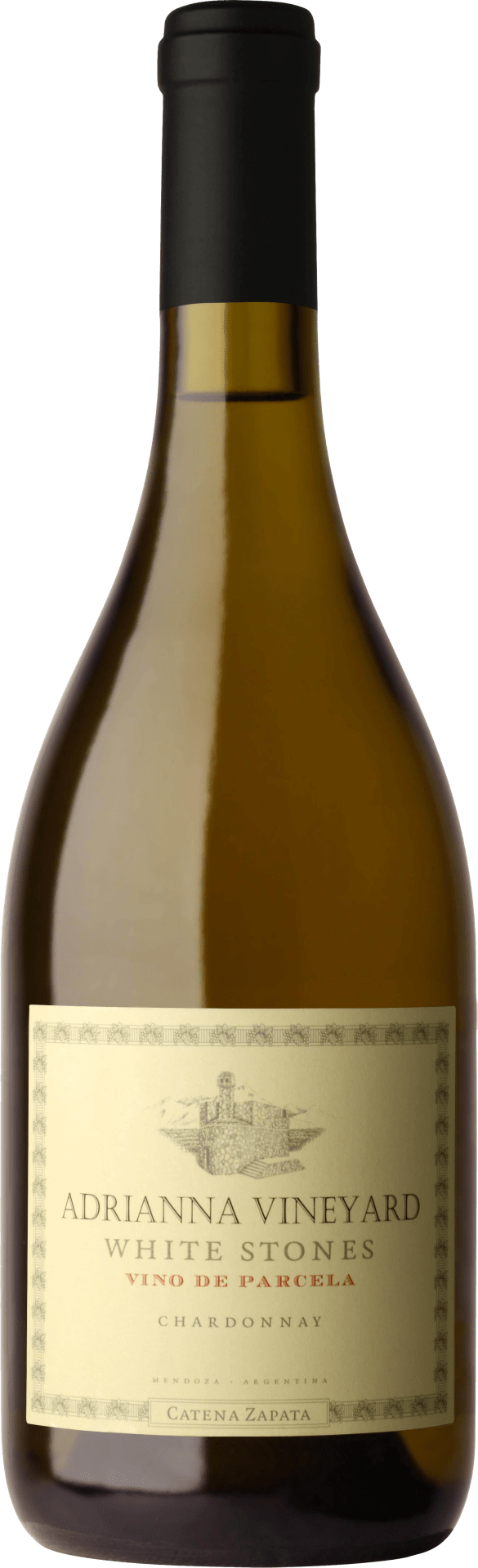
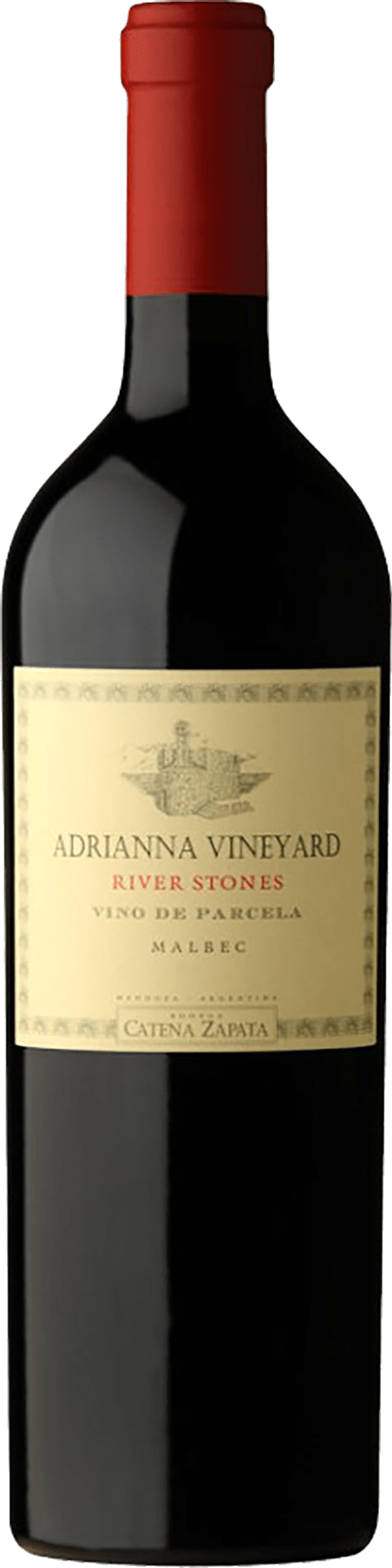
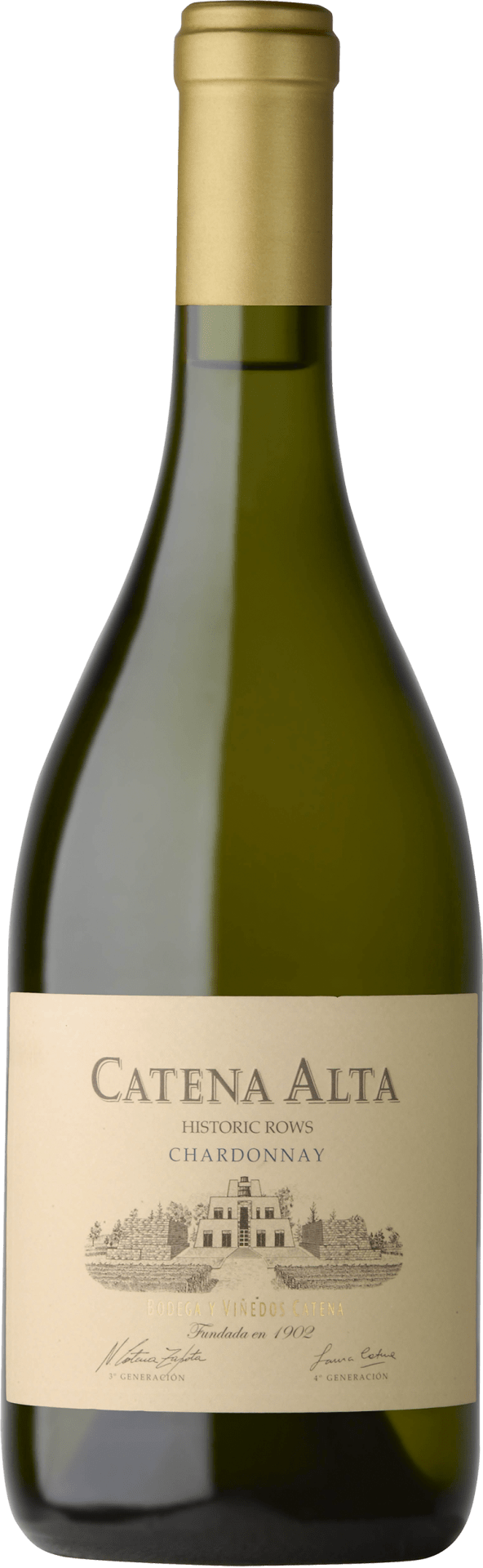
Catena Zapata produces wines at several quality levels, from the accessible Catena label to the single-vineyard bottlings of the Adrianna vineyard. The Malbecs from Adrianna show blackberry, plum, and lavender with a pronounced chalky minerality on the finish — a direct consequence of the lime-rich soils in Gualtallary. The Chardonnays from the same sites, including White Bones and White Stones, benefit from the cool climate: the natural acidity remains intact, the style is clear and precise, without the buttery heaviness of warmer wine-growing regions. River Stones stands for the river-gravel-dominated block within the Adrianna vineyard; Fortuna Terrae for Malbec from limestone soils at 1,340 meters, with intense dark fruit and long structure. Those who start with the Catena Malbec or the Catena Alta Chardonnay get the winery in its accessible, well-matured form — an introduction that shows the fundamental conviction upon which the entire range is built: altitude, soil, and patience yield more than technology alone.
Lujan de Cuyo,Mendozacatenazapata.com
Award-winning wines
James Suckling 2024
Awarded by James Suckling
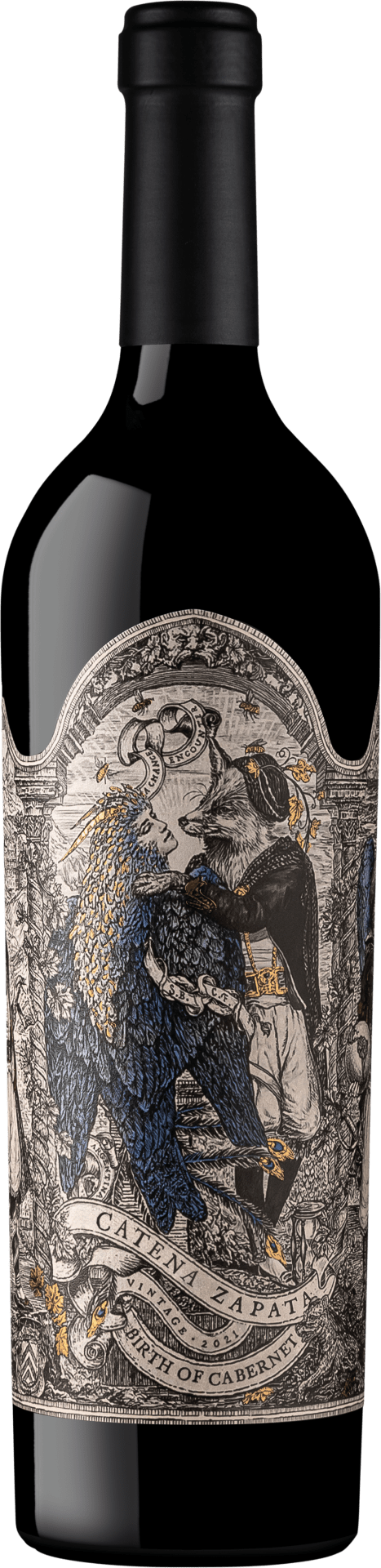
Best Design & Packaging for Wine 2025
Awarded by The Drinks Business Awards
International Wine Cellar 2005
Awarded by International Wine Cellar
Sommelier Wine Awards
Awarded by Sommelier Wine Awards


Catena Zapata –
Malbec from the high altitudes of the Andes
Catena Zapata did not invent Argentine Malbec — but it played a decisive role in shaping it. Nicolás Catena Zapata recognized early on what the high altitudes of Mendoza can achieve: vineyards at over 1,500 meters, where temperature fluctuations between day and night are enormous, the sun burns intensely, and the grapes ripen slowly. It is precisely these conditions that create the depth and at the same time the cool freshness that distinguish Catena wines from simple highland Malbec.
Today, daughter Laura manages the winery with an approach that combines science and intuition. She maps old vines and forgotten soils of Argentina, searches for clones and locations that no one has yet systematically explored — and translates these findings into wines that show both signature and attitude. In the glass, this means: dark berries, a hint of violets, velvety texture, and a finish that lingers longer than expected.
The wines of Catena Zapata are suitable for grilled beef and hearty braised dishes, but also for aged hard cheese. Anyone who wants to get to know Argentine Malbec beyond the entry-level price segment will find a reliable starting point here.