When Bordeaux meets the Andes: the birth of Bodegas CARO
The story of Bodegas CARO begins at the end of the 1990s with a handshake between two of the most influential wine families in the world. Nicolás Catena, pioneer of high-altitude Malbec in Mendoza, was looking for an international partnership — his idea eventually reached Baron Éric de Rothschild, the head behind Château Lafite and Domaines Barons de Rothschild (DBR Lafite). In 1999, the project was a done deal, and the first vintage followed in 2000. The name CARO literally carries the alliance in its abbreviation: CA for CAtena, RO for ROthschild.
Their shared workplace is a listed building in the heart of Mendoza, which was built as early as 1884 — in the middle of Argentina's golden age of viticulture. Since 2003, all of the estate's wines have been aged there, in brick vaults that are reminiscent of Northern Italian Renaissance architecture and whose underground cellars still form the heart of the vinification process today. Today, Laura Catena and Saskia de Rothschild — daughters of the founding fathers — are leading the project into the next generation.
High altitudes, hand-harvesting and barrels from Pauillac
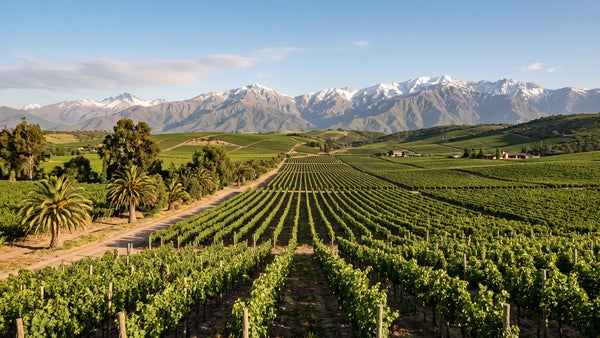
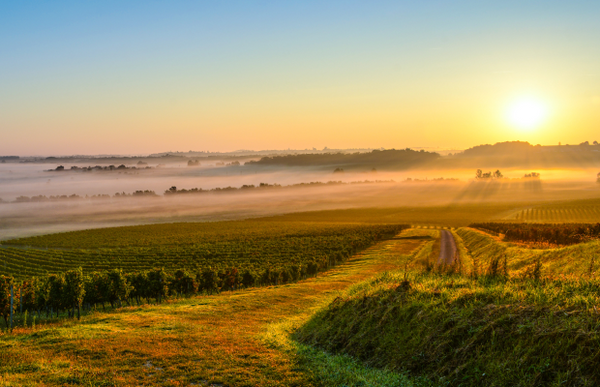
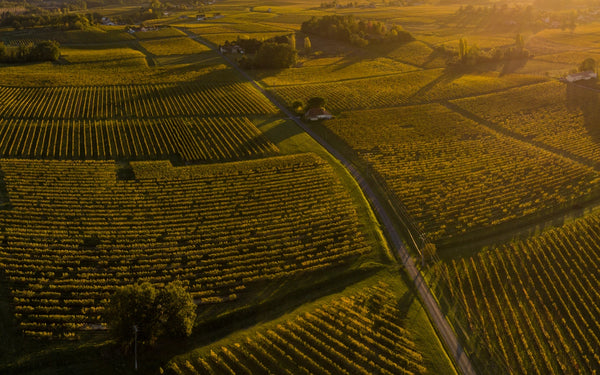
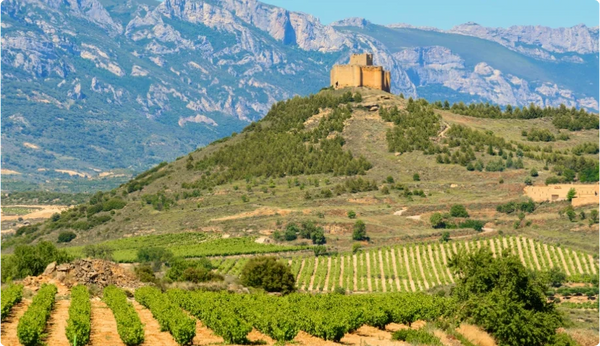
The vineyards are located in two key regions of Mendoza: in Luján de Cuyo, one of Argentina's historically first Malbec planting areas, as well as in the Uco Valley with plots in Altamira, Gualtallary and San Carlos at altitudes between 800 and 1200 meters. The extreme solar radiation and the large day-night temperature fluctuations of these sites ensure concentrated fruit and a distinct acid structure — Malbec grapes from these altitudes develop thicker skins and a natural freshness that wines from lower sites lack. All grapes are harvested by hand and processed gently.
In the cellar, CARO relies on fermentation in concrete tanks and aging in French oak barrels — some from DBR Lafite's own cooperage in Pauillac. The decision on the blend depends on the vintage: in hot, dry years, the Malbec proportion dominates, while in cooler vintages, Cabernet Sauvignon contributes more to the structure. This interplay is not a compromise, but a method — blind-tasted by the technical teams of both houses. Since December 2023, Bodegas CARO has also held B-Corp certification, and new plantings in the Uco Valley are being managed organically from the start.
Malbec meets Cabernet: a range with a clear signature
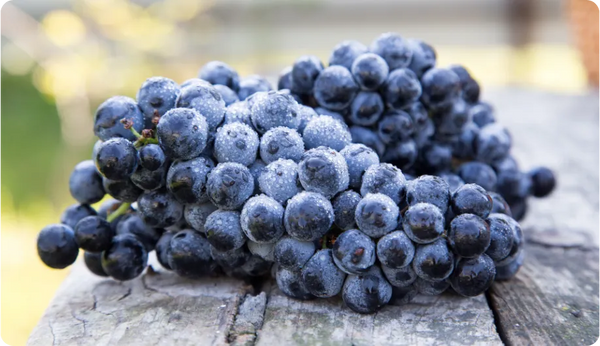
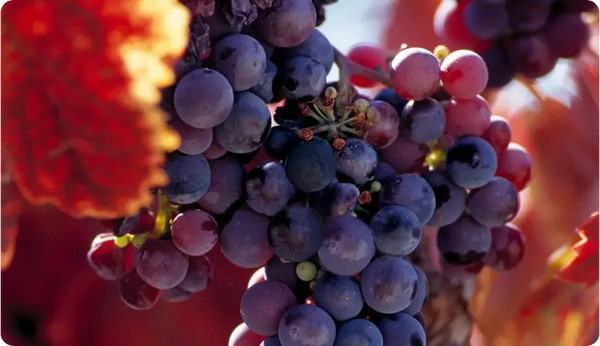
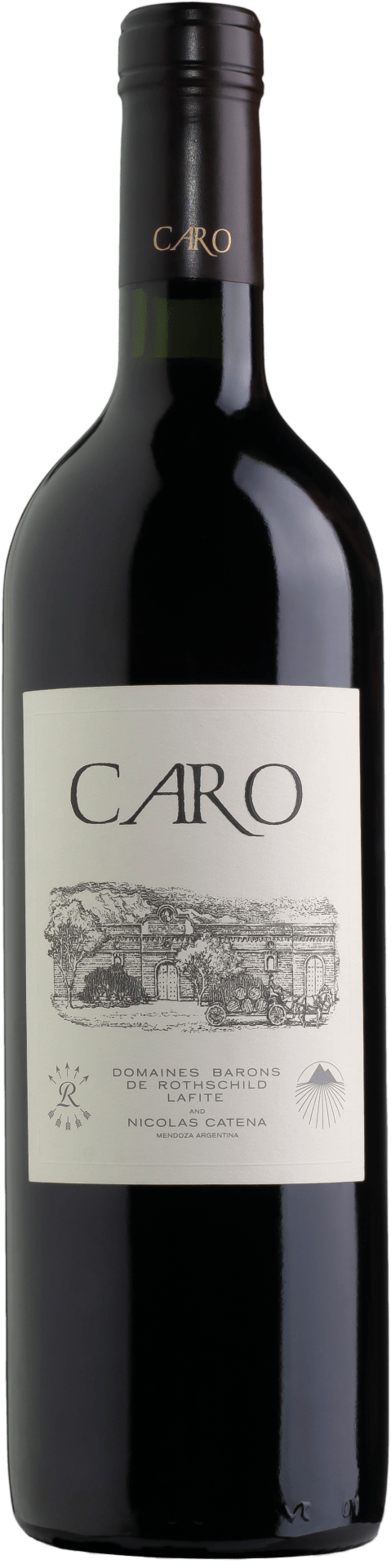
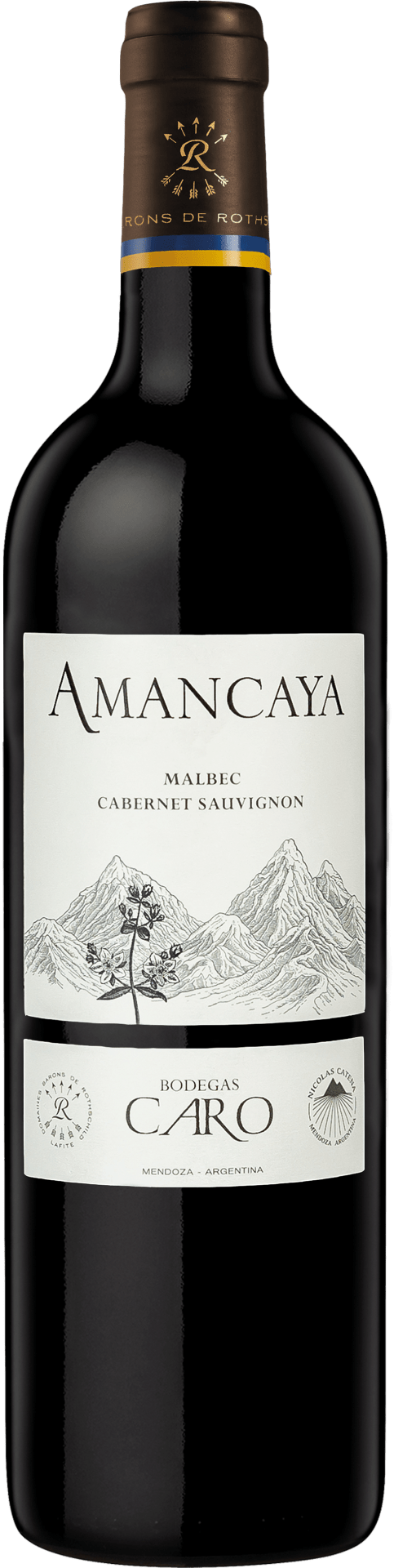
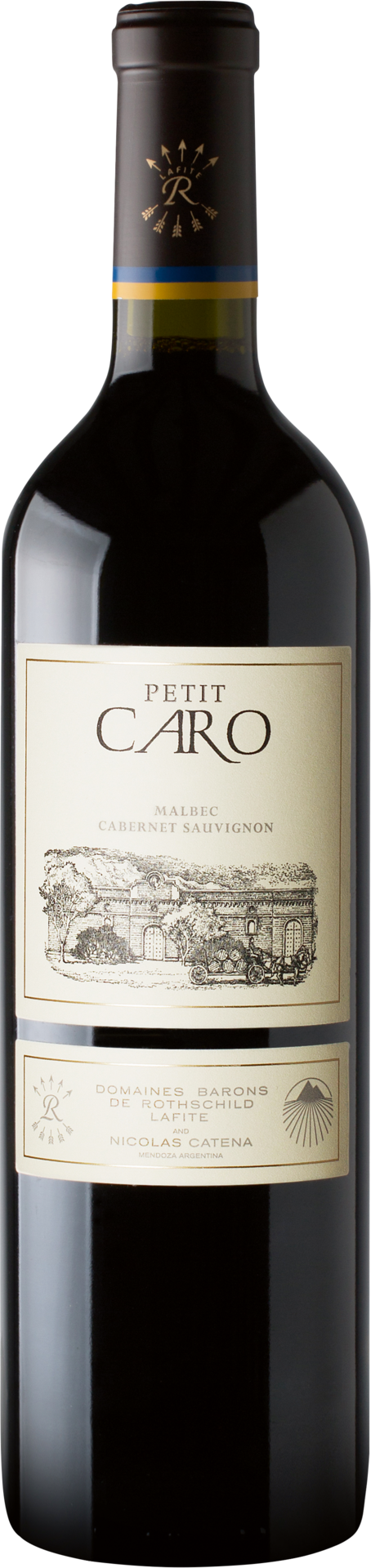
The range follows a logical structure from the accessible entry-level to the prestige cuvée. The Petit Caro and the Bodegas Caro Malbec Argentino show the grape varieties in a direct, fruit-forward form — red-berry, with a velvety texture, made for an uncomplicated evening. The Amancaya cuvée, in the range since 2003, combines Malbec and Cabernet Sauvignon in a Bordeaux-inspired style with Argentine substance: dark fruit, graphite, firm tannin structure. Finally, the flagship Caro brings both grape varieties to their highest level of expression — with the precision known from Pauillac and the depth that only the high Andean altitudes can provide: blackcurrant, blueberry, a hint of cedar wood, mineral, long finish. Anyone who tastes the wines of Bodegas CARO side by side will understand what happens when two wine traditions work not against each other, but with each other.