From 68 winegrowers to the voice of Sicily
When 68 winegrowers founded a cooperative in Menfi on the southwest coast of Sicily in 1958, it was an act of resistance. At that time, the territory was in the hands of a few large wineries that produced mass-market goods and cemented the island's reputation as a supplier of blending wines. The founders wanted to break out of this dependency — and from the beginning, they focused on quality instead of volume. They derived the name of their cooperative from the terroir itself: Settesoli, "seven soils," refers to the diverse soil types in which their vines are rooted. As early as 1974, Cantine Settesoli was the first Sicilian wine cooperative to bottle its own wines, pioneering the export market at a time when the entire Sicilian wine industry was still selling exclusively bulk wine. Today, the cooperative has around 2,000 members who together cultivate about 6,000 hectares of vineyards — accounting for around seven percent of Sicily's total vineyard area.
Terroir research, night harvesting, and its own solar power plant
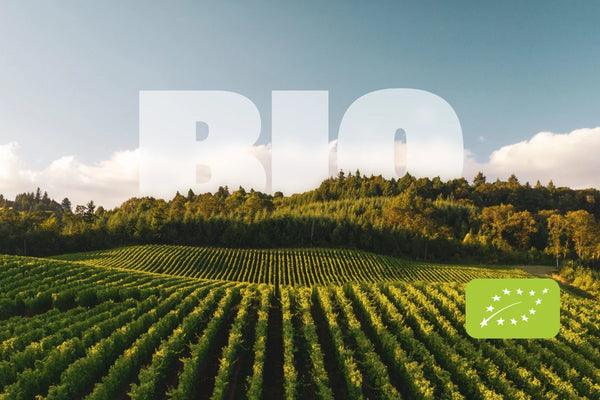
At Settesoli, quality is not created in the cellar alone, but begins with decades of soil analysis. Over twenty years, the cooperative, together with ampelographers, mapped the five soil types of the Menfi area — clay, limestone, loam, mixed soils, and sand — and established five experimental fields where they specifically tested which grape variety unfolds its full potential on which substrate. This research led to the creation of the premium brand Mandrarossa in 1999, whose grapes come exclusively from the cartographically best sites. To protect the aromatic quality of the white wine grapes, Settesoli was one of the first wineries in Italy to introduce mechanical night harvesting in 2010. Winemaking is consistently oriented toward the principle of minimal intervention: grapes are delivered according to quality grades and paid accordingly — an incentive system that directly rewards care in the vineyard. In addition, there is an in-house photovoltaic power plant that supplies the production facilities with renewable energy, as well as around 1,000 hectares of certified organically farmed vineyard area. Since 2019, the entire production has been certified as 100% vegan.
Grillo and Nero d'Avola — Sicily in its full breadth
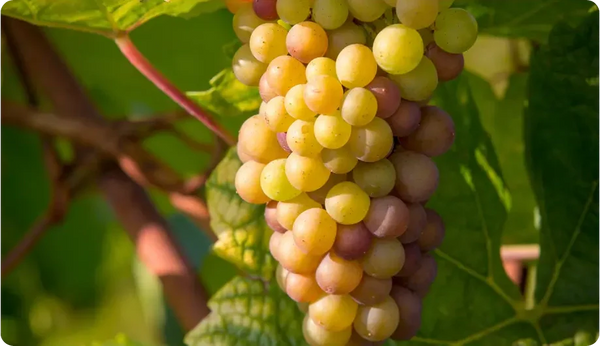
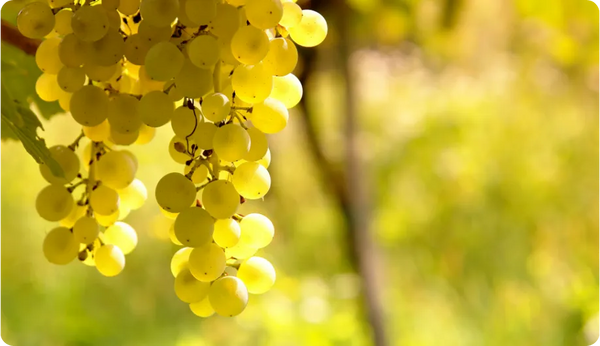
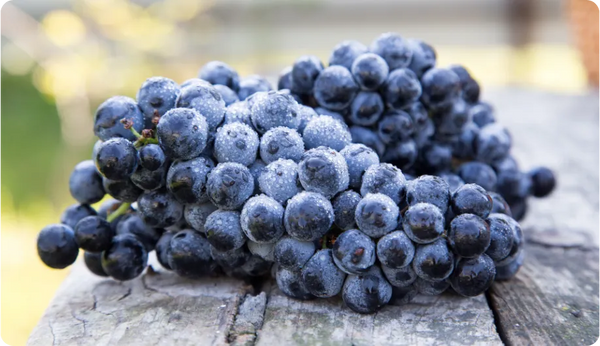
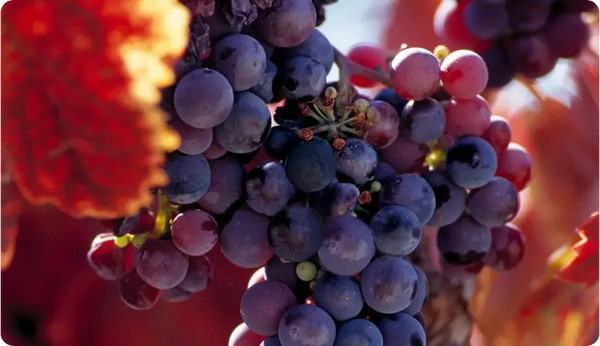
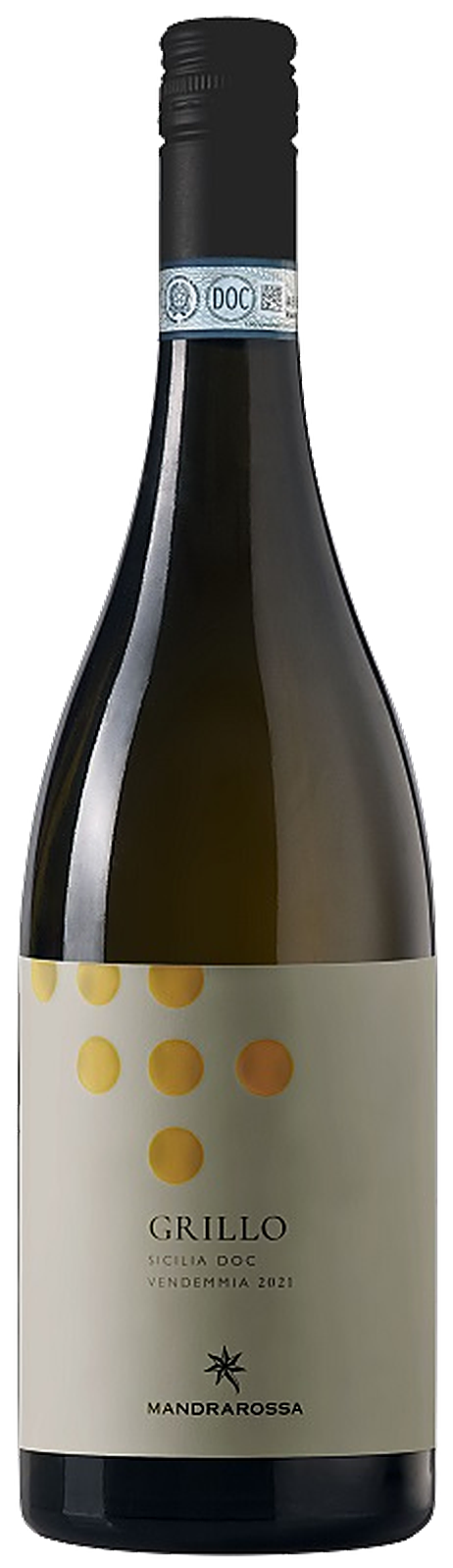
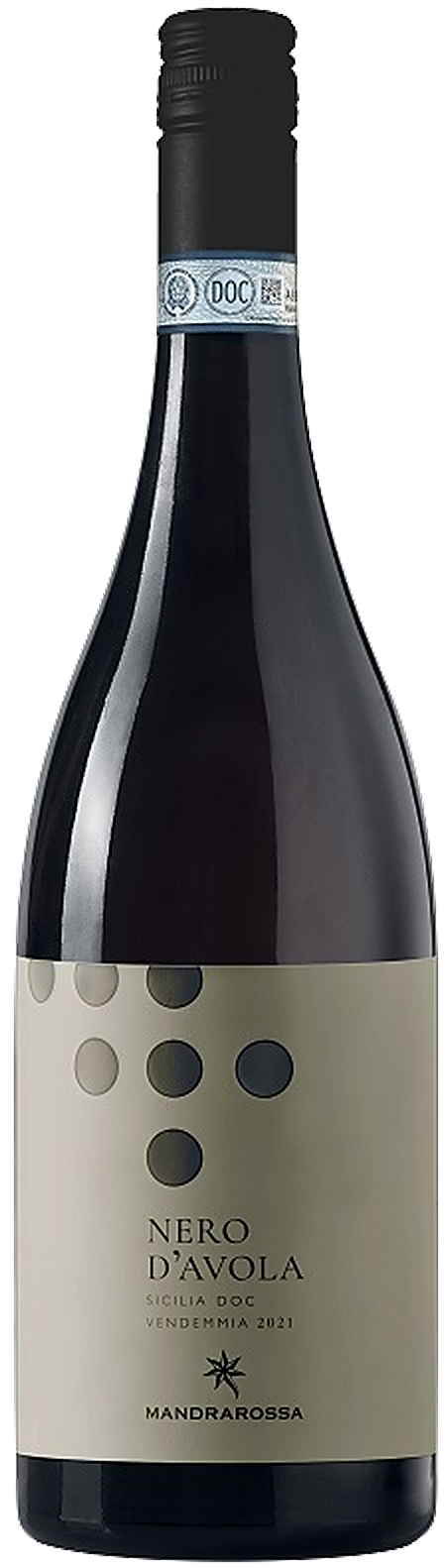
The range of Cantine Settesoli spans from accessible everyday wines to the Mandrarossa line, which consistently focuses on origin-based character. The focus is on indigenous grape varieties: Grillo with its salty minerality and citrus drive, Nero d'Avola with dark fruit and Mediterranean spice. Alongside these, international varieties such as Petit Verdot, Sauvignon Blanc, or Syrah are vinified — always with the ambition not to copy international styles, but to reflect the climate of the Menfitana coast with its over 3,000 hours of sunshine, dry heat, and constant sea breeze. The Mandrarossa winery, opened in 2021 and operated exclusively by solar power, is organically integrated into the surrounding hills and stands for this approach: viticulture as part of the landscape, not an intrusion upon it.