A Château dream in the Rioja Alavesa
The name Campillo is not a marketing gimmick, but family history: Viña Campillo was the name of the first piece of vineyard that the Martínez Zabala family acquired in the Rioja Alavesa — and which later fell victim to phylloxera. Julio Faustino Martínez, third generation of the Grupo Faustino founded in 1861, brought this name back when he embarked on his biggest project in the late 1980s: a bodega that stands not in the village, but in the middle of the vineyard. The building has been open since September 28, 1990 — designed by architect Aurelio Ibarrondo as the first winery in the region specifically planned by an architect. The natural stone facade with its seven round arches, wooden corbels, and Gothic-looking stone vaults was inspired by the medieval cityscape of Laguardia at the time and is visible from afar from the city's surrounding wall.
Campillo is now part of the Grupo Faustino, the family network led by the fourth generation of the Martínez Zabala, which, in addition to Campillo, unites other bodegas in Rioja, Ribera del Duero, Navarra, and La Mancha. Within the group, Campillo takes on a clearly defined role: it is the vineyard-centered Château project that processes all grapes from its own estate.
Viñedo propio: 50 hectares of clay and lime at 610 meters
The bodega is literally at the center of its vineyards: 50 hectares of sites surround the building, divided into seven smaller plots on clay and limestone soils at around 610 meters above sea level. The climate of the Rioja Alavesa is continental with Atlantic influences — cooler nights and good wind help Tempranillo to build color and tannin while maintaining acidity. In addition to Tempranillo, Graciano, Tempranillo Peludo, Garnacha, Cabernet Sauvignon, and — for the white wine — Viura are grown. The harvest is carried out exclusively by hand; in the oldest plots, the grapes are harvested in crates to avoid bruising.
In the cellar, the wine is aged in American oak barrels with fine grain as well as in French barrels from the Tronçais and Allier forests. The maturation periods are deliberately above the minimum requirements of the Consejo Regulador — an approach that runs through the entire line and stylistically sets the wines apart from quickly produced Rioja productions. The result is an annual production of around one million bottles, which come entirely from the estate's own grapes.
From the classic Rioja framework to the old Tempranillo Peludo
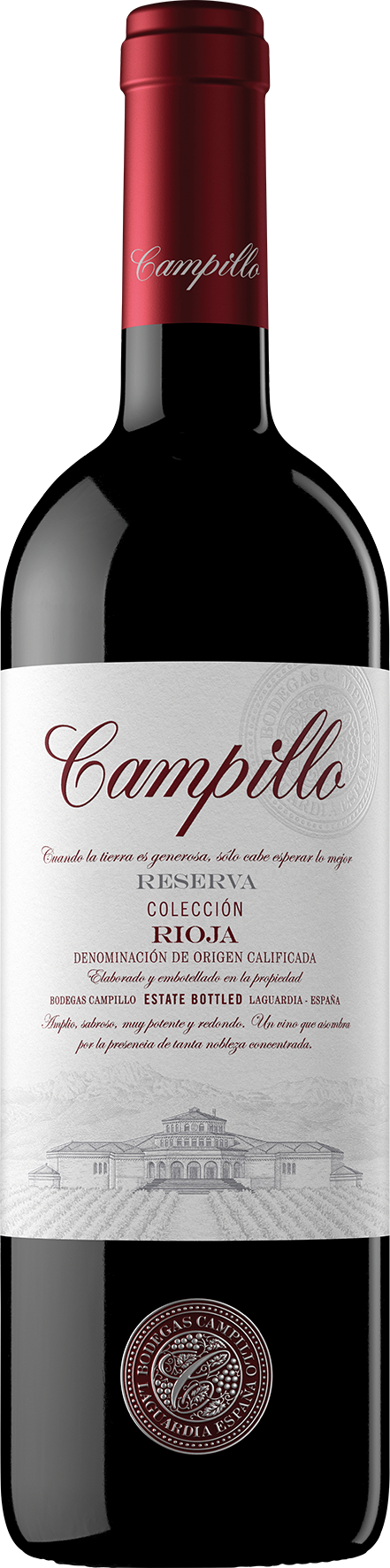
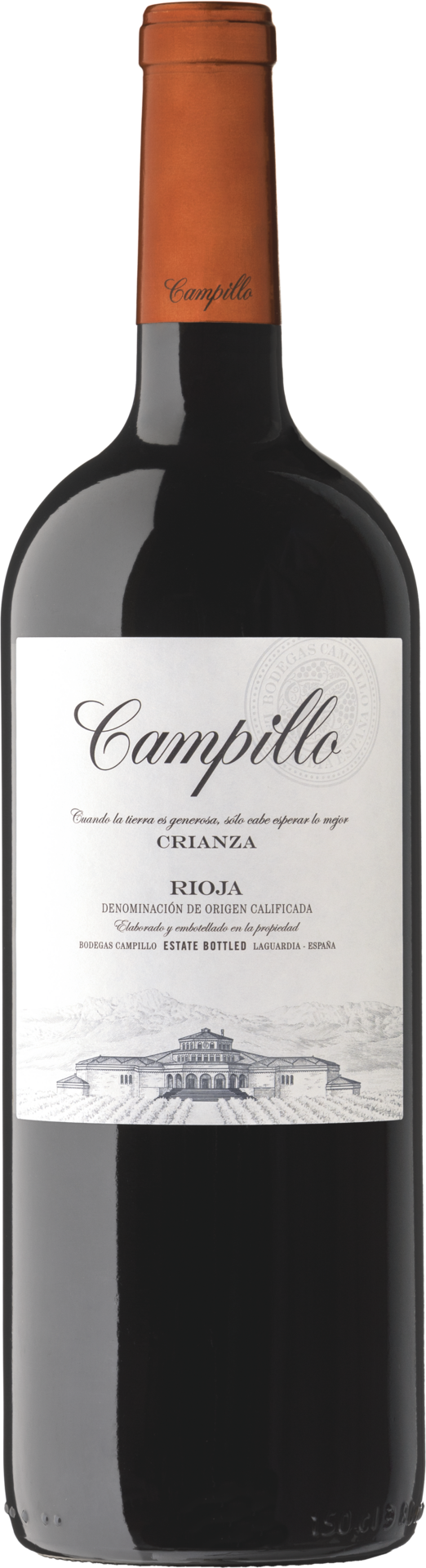
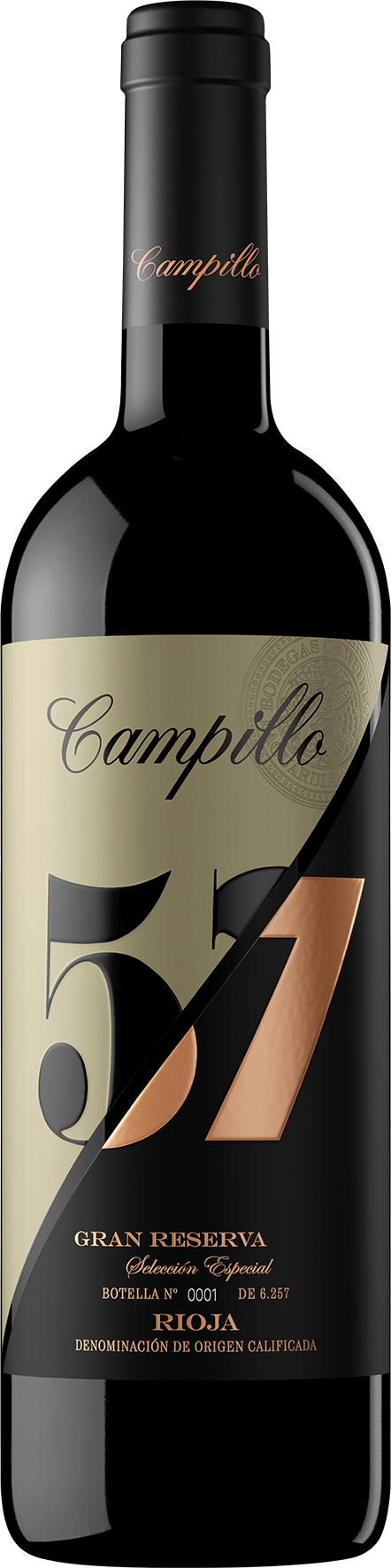
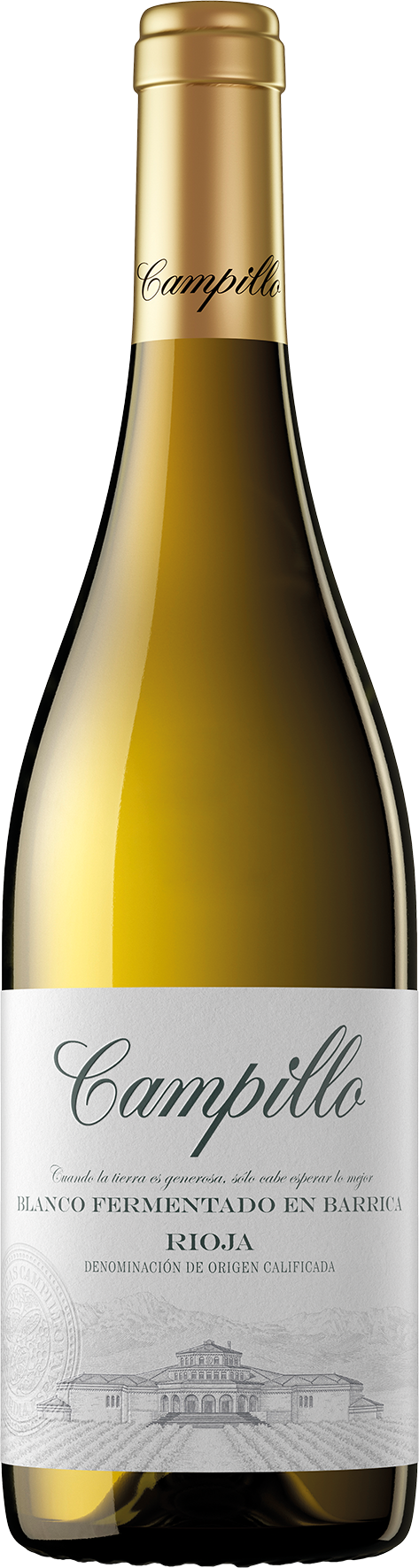
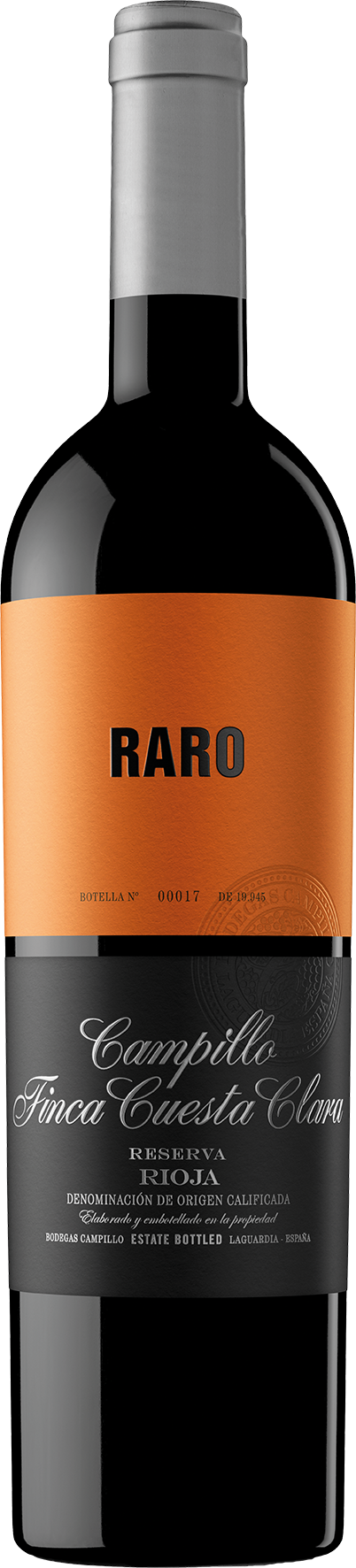
The range follows the classic Rioja framework of Crianza, Reserva, and Gran Reserva, but goes beyond that at both ends. The Campillo Blanco Fermentado en Barrica shows what Viura can achieve in wood: structure and melt instead of mere freshness. At the other end of the line is the Campillo 57 Gran Reserva, which is only produced in the best years — and was named the best wine of the year by the Spanish Ministry of Agriculture in 2021. The Raro Finca Cuesta Clara deserves special attention: this Reserva is not produced in every vintage and is based on Tempranillo Peludo, an old clone variant with a hairy leaf underside that requires intensive selection and results in wines with idiosyncratic depth. The Reserva Colección complements the range as a curated middle ground between everyday suitability and aging potential.
Beyond winemaking, Campillo was an early pioneer of wine tourism in the Rioja Alavesa. The Martínez Zabala Gallery uses the cellar rooms for changing exhibitions of contemporary Spanish art — in 2025, Campillo was awarded the Best of Wine Tourism Award in the Art & Culture category for the Bilbao-Rioja region by the Great Wine Capitals for this.