From post-war winery to the benchmark of Venetian white wine
Everything began in 1948, when Almerino Anselmi started viticulture in Monteforte d'Alpone, east of Verona. The family initially operated as was common at the time: quantity counted more than quality, the pergola training system delivered large quantities, and the cellars ran to the rhythm of the regional mass market. That changed fundamentally when Roberto Anselmi took over the family business in 1975. Instead of staying in his father's footsteps, he began to consistently rebuild the vineyards on the hillsides, acquired top sites around Monteforte d'Alpone, and reduced yields. From 1982, he brought two single-vineyard white wines to the market with Capitel Foscarino and Capitel Croce, which attracted international attention. The decisive break came in the year 2000: Roberto Anselmi left the Soave Consortium with an open letter – because he considered the regulations too lax and the direction of the consortium incompatible with his quality standards. Since then, not a single wine from Monteforte d'Alpone bears the Soave designation. All labels run under Veneto IGT – consistent, uncomfortable, logical.
70 hectares of hillside, high vine density, and a look at PIWI varieties
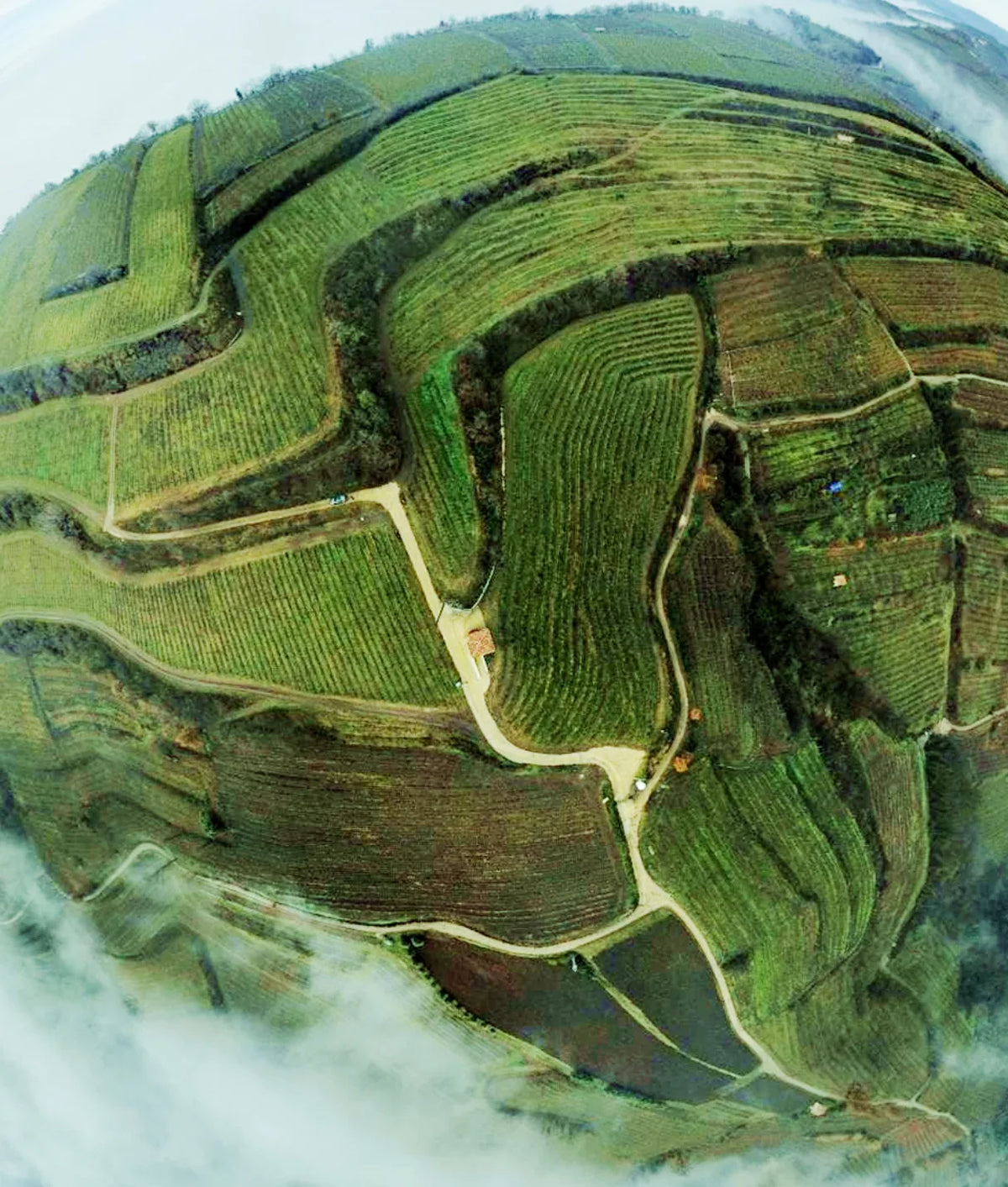
The winery today manages 70 hectares in the hills of Monteforte d'Alpone, on soils of volcanic tuff and limestone, which give the grapes distinct minerality and thermal amplitude. The traditional, high-yielding pergola systems were replaced by Guyot and Cordon spur training – with significantly lower yields and higher vine density. In the cellar, Anselmi works with temperature control and modern fermentation techniques that preserve the freshness and structure of the Garganega grape without overpowering it. You will look in vain for formal organic certification – the family has an instinctive distrust of any kind of regulation. The way of working in the vineyard nevertheless follows organic principles: minimal use of pesticides, targeted grape selection. The latest step is trials with fungus-resistant PIWI varieties such as Souvignier Gris, Muscaris, and Riesling Resistente – Roberto Anselmi is considered one of the first renowned winemakers worldwide to integrate these varieties into his top wines. In the San Vincenzo, they are now a fixed component without changing the style of the wine. Today, Lisa and Tommaso Anselmi are increasingly responsible for the operations of the business – with a clear line to the father's philosophy.
Garganega in three faces: San Vincenzo, Capitel Foscarino, Capitel Croce
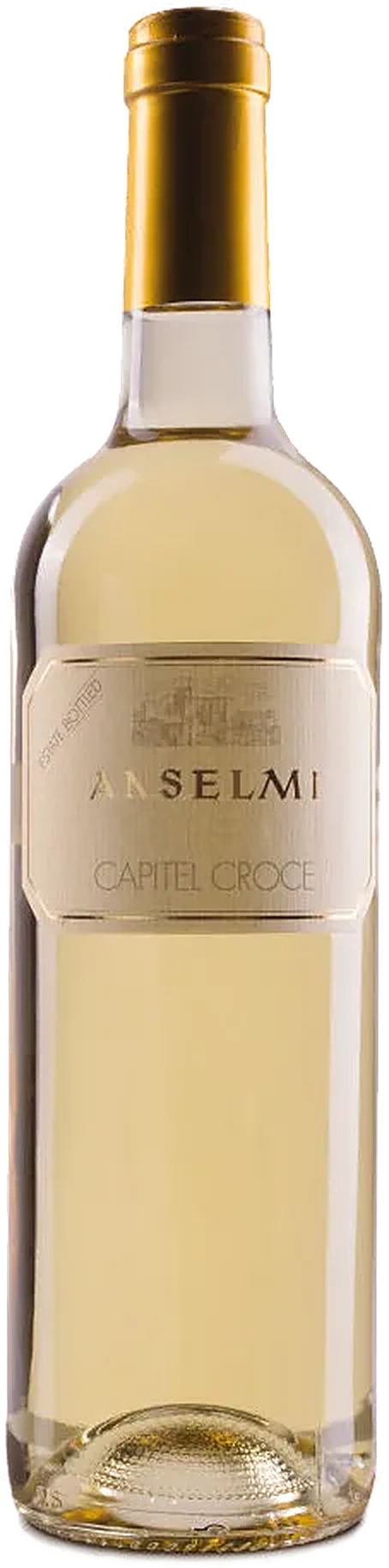
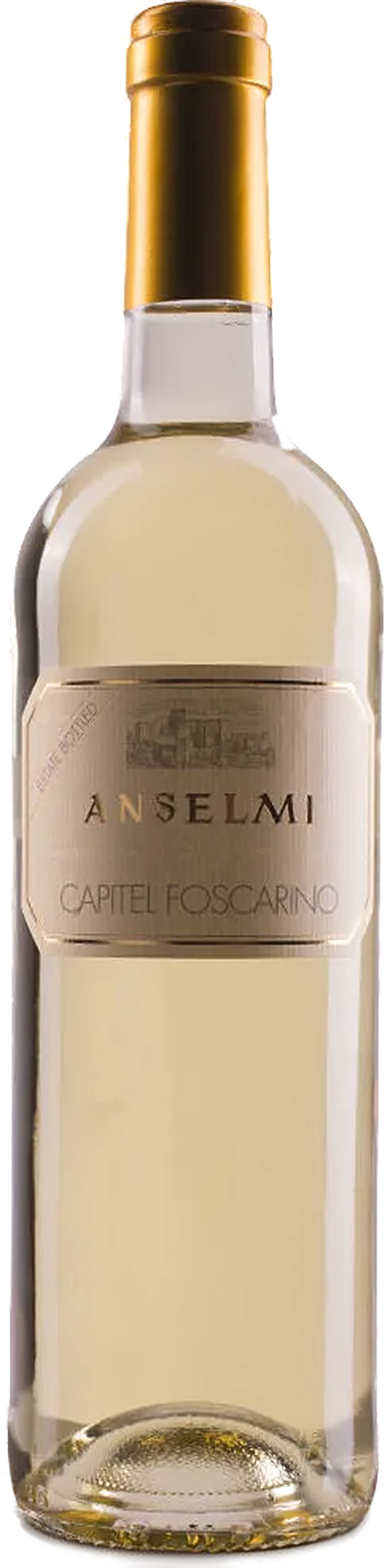
The Anselmi assortment revolves almost exclusively around Garganega – a grape variety for which the winery has only earned its current reputation. The San Vincenzo, named after the patron saint of winegrowers, is the most accessible entry: peach, pear, a delicate citrus line, lively acidity, and a mineral finish that won't let go. The Capitel Foscarino comes from the volcanic slope of the same name at an altitude of around 350 meters – predominantly Garganega with a portion of Chardonnay, aged with a fine touch of wood. Apricot, jasmine, salty almond, and a smoky finish characterize this cru. The Capitel Croce, in turn, is pure, unfiltered Garganega from the limestone-dominated hill of the same name: yellow apples, ripe pear, citrus zest, firm body, long finish. The word "Capitel" means "wayside shrine" in the Veronese dialect – the small patron saints that line the family's vineyards and after which the wines have been named for decades. All three stand for a style that places minerality and acid structure above opulence: white wines that go just as well with seafood, grilled sea bass, or mature cheese as they do with a simple risotto with vegetables from the garden.