Valdobbiadene · Italy
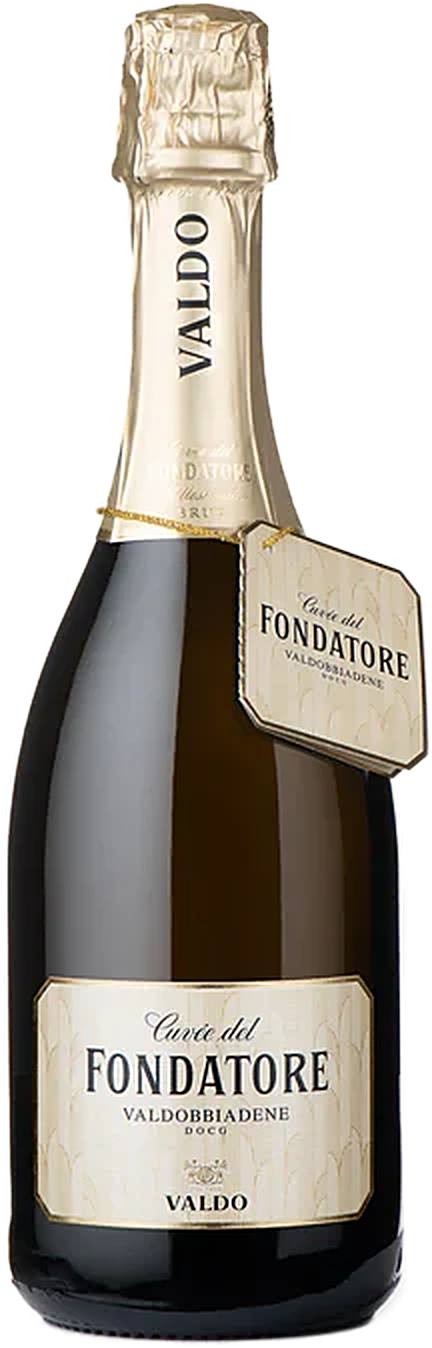
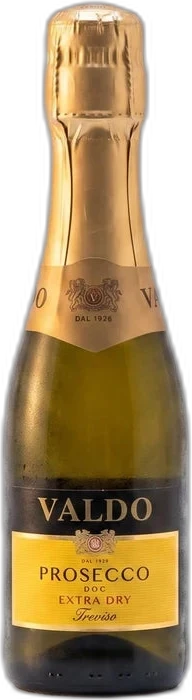
Valdo Valdobbiadene
Read more Read less
Since 1926, the Valdo family has been at home in the hills of Valdobbiadene – the heart of the Prosecco world. From a small winery, they have grown a synonym for exceptional sparkling wines that combine tradition and modern cellar technology. The secret? The steep vineyards between Valdobbiadene and Conegliano, now a UNESCO World Heritage Site. Here, the Glera grape thrives under ideal conditions. Sustainable viticulture, gentle vinification, and the traditional Charmat method result in Proseccos with vibrant freshness, elegant bubbles, and the authentic taste of Veneto. Valdo – the true soul of Prosecco di Valdobbiadene.

Filters
10 products

Mondus Vini Competition 2020
Awarded by Mondus Vini

The Somm Journal Bewertung
Awarded by The Somm Journal

Decanter World Wine Awards
Awarded by Decanter

New World Wine Awards 2021 & 2022
Awarded by New World Wine Awards
About Valdo Valdobbiadene
One hundred years of Bolla — how four entrepreneurs became the oldest sparkling wine cellar in Valdobbiadene
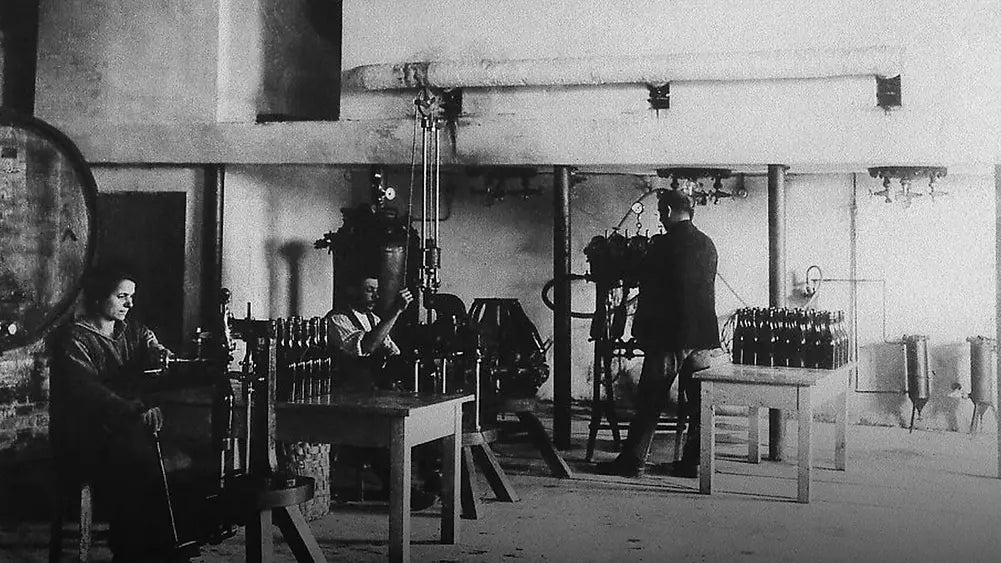
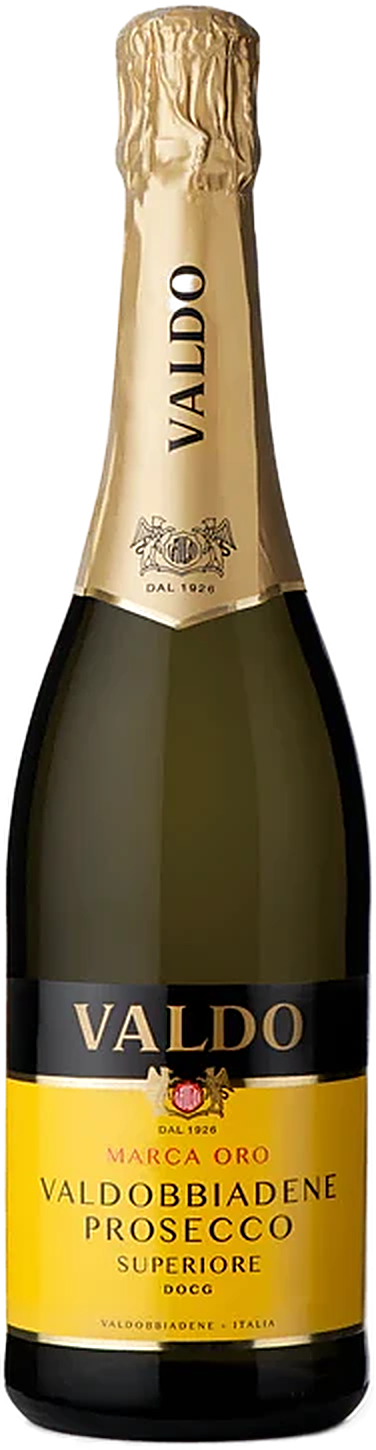
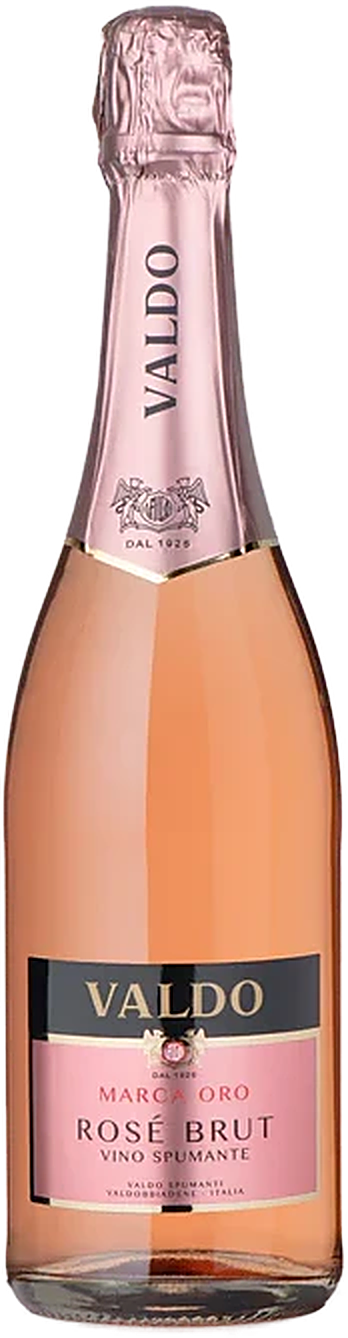
The history of Valdo began in 1926, when a group of local entrepreneurs in Valdobbiadene came together and founded the Società Anonima Vini Superiori — the first winery in the region specializing in sparkling wine production. Sergio Bolla, grandson of an innkeeper from Soave who had known the hills of Valdobbiadene since his youth, acquired the company in 1938 in the name of his family and renamed it Valdo in 1941. A few years later, Marca Oro was launched — the flagship with the golden label that still bears the face of the winery today. In the 1960s, distribution began across all of Italy; from the early 1990s, the first bottles crossed the Alps, followed shortly thereafter by expansion into the Americas and East Asia. Today, Valdo is present in over 70 international markets and is considered one of the most famous ambassadors of Prosecco Superiore DOCG — without having abandoned its roots in Valdobbiadene. In 2026, the winery celebrates its centenary.
Vineyard, cellar, responsibility — the working method of the Bolla family
Valdo works with a network of over 70 long-standing winegrower families, many of them for generations, and also maintains its own estate, Vigna Pradase, where old grape varieties such as Glera, Verdiso, Perera, and Bianchetta are preserved. The soils are of moraine-glacial origin; the steep slopes require manual cultivation. Inspired by the French tradition of cuvée assemblage — an idea Sergio Bolla drew from his admiration for French vinification — Valdo was one of the first wineries in the area to systematically rely on blending different sites and grape varieties. The sparkling wines are created using the Martinotti method (Charmat), in which the second fermentation takes place in a pressure tank; for selected products such as Vigna Pradase, Valdo also relies on the Méthode Classique with bottle fermentation. The sustainability approach is concrete: lighter bottles, solar energy, recycling programs, SQNPI-certified integrated cultivation, and — since 2019 — a complete ban on glyphosate in the entire Valdobbiadene area. The winery's two production sites cover a total area of 20,000 m².
Since 2023, Casa Valdo has also been part of the operation: a restored 19th-century country house in the middle of Vigna Pradase, which offers wine travelers six guest rooms and direct access to the landscape of the UNESCO World Heritage site.
From Marca Oro to the non-alcoholic cuvée — what connects Valdo's sparkling wines
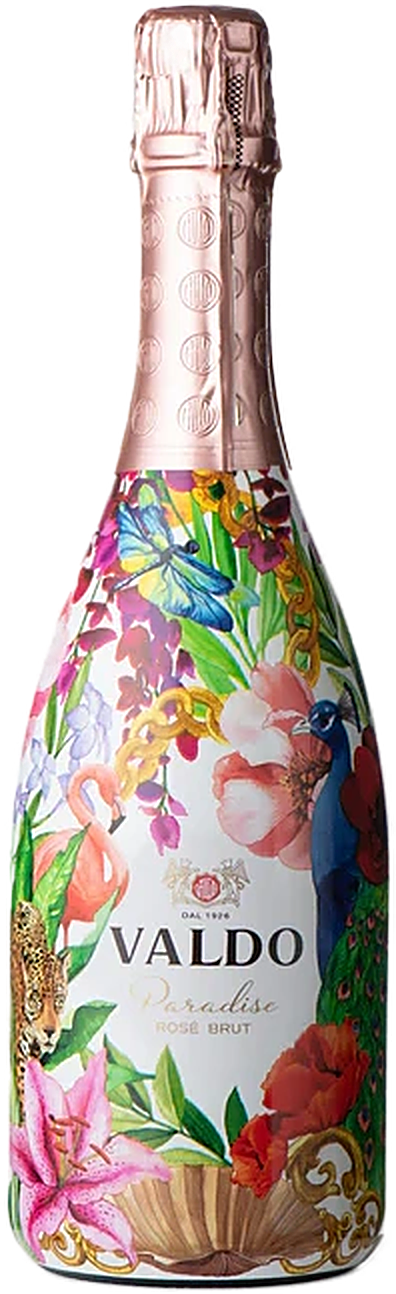
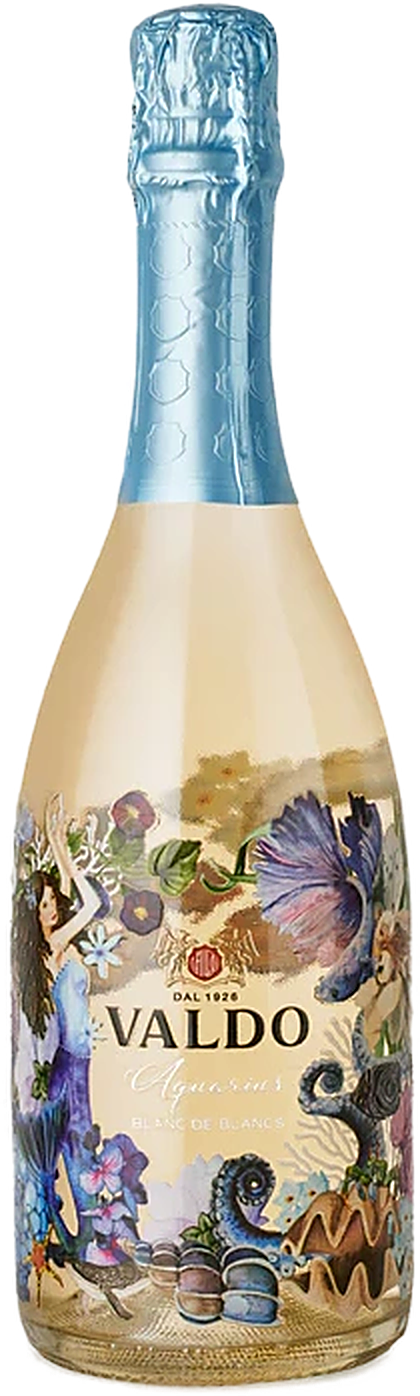
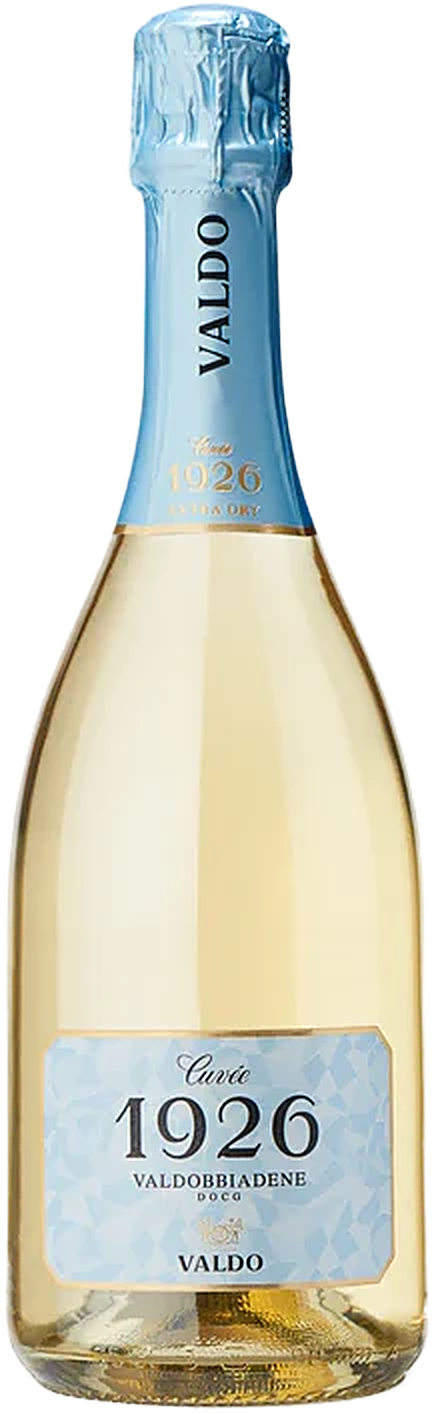
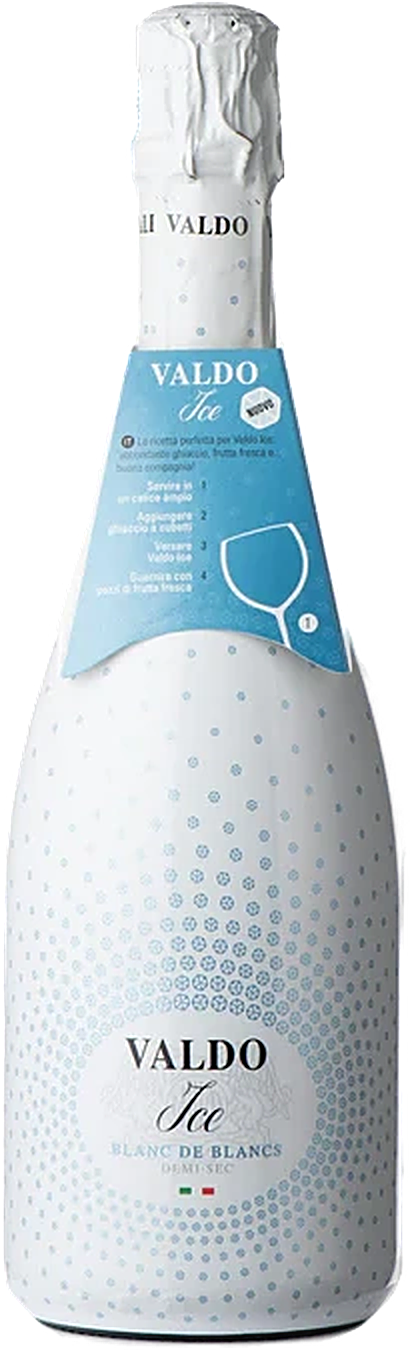
The range extends from classic Prosecco Superiore DOCG in Extra Dry and Brut versions to Blanc de Blancs cuvées, rosé sparkling wines, and special bottlings such as the Cuvée 1926 — a prestige sparkling wine that commemorates the winery's founding year and whose second fermentation in the pressure tank is conducted for an especially long time. Stylistically, Valdo's wines are connected by a lively acidity, fine perlage, and fruit-forward aromatics that go back to the Glera grape in the pre-Alpine steep slopes. For occasions beyond the classic aperitif, Valdo has developed the Aquarius line — Blanc de Blancs and Rosé — as well as a low-alcohol Blanc de Blancs made from Glera and Moscato. In the anniversary year 2026, Purø was added, a non-alcoholic sparkling wine in which the fruity aromas of Northern Italian grapes are preserved through gentle dealcoholization. Served chilled at 6–8 °C, Valdo's Proseccos accompany antipasti, seafood, light pasta, or — quite classically — the aperitivo before a meal.
Award-winning wines
Mondus Vini Competition 2020
Awarded by Mondus Vini
The Somm Journal Bewertung
Awarded by The Somm Journal
Decanter World Wine Awards
Awarded by Decanter