Three brothers, a fresh start in Niederkirchen
Weingut Seckinger has only existed since 2012 — and that is hard to believe when you taste the wines. Philipp (born 1988), Jonas (1991), and Lukas (1993) Seckinger founded the estate in Niederkirchen, about four kilometers east of Deidesheim, when they were in their early twenties. The family already owned vineyards, but father Josef Seckinger had supplied the grapes to renowned Deidesheim wineries for decades. The sons wanted to start earlier than the lease agreements allowed: the first vintage in 2012 was created in the family home, in the garage and the old potato cellar, with a few stainless steel tanks, a handful of wooden barrels, and an old basket press. When the tenants moved out in 2016 and the historic family vineyards returned, the portfolio suddenly grew by first-class plots around Deidesheim, Königsbach, and Ruppertsberg. Philipp and Jonas both previously graduated from Geisenheim University as trained oenologists — professional tools that gave the winery's approach a clear direction.
Biodynamics as an attitude, not a label
First attempts at organic farming began in 2013, the official conversion to organic cultivation followed in 2015, and organic certification with the 2018 vintage. In 2019, the brothers took the next step: complete conversion to biodynamics, accompanied by Andreas Schumann from Weingut Odinstal — one of the most experienced biodynamic winemakers in the Palatinate. Today, the three brothers cultivate around 27 hectares, distributed over small individual plots with a colorful mix of variegated sandstone, limestone, loess, and marl soils. A special role is played by the Petershöhle, a historic terraced site on the edge of the Haardt mountains, which father Josef recultivated by hand over 30 years ago. Such difficult-to-access sites on the edge of the forest can only be worked by hand by the Seckingers — cooling winds and late ripening ensure high acidity stability there.
In the cellar, the same principle applies as in the vineyard: only intervene when necessary. The wines ferment spontaneously, usually mature in wooden barrels on the full lees, and are hardly filtered. Sulfur is used only in minimal doses. You will look in vain for temperature-controlled tanks in the cellar. The goal that the brothers formulated from the beginning: to bring the terroir of each vintage into the bottle without over-shaping it.
Riesling and Pinot with an independent signature
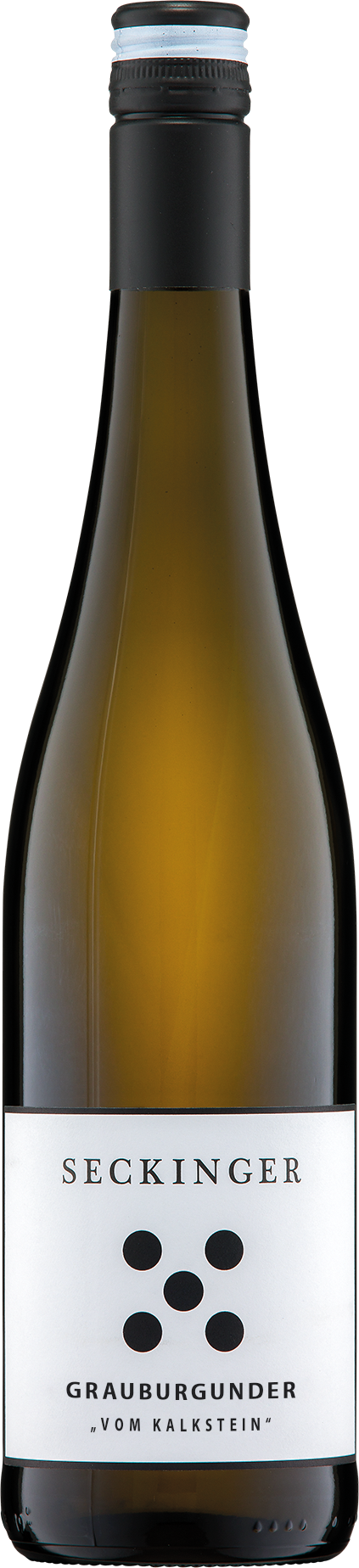
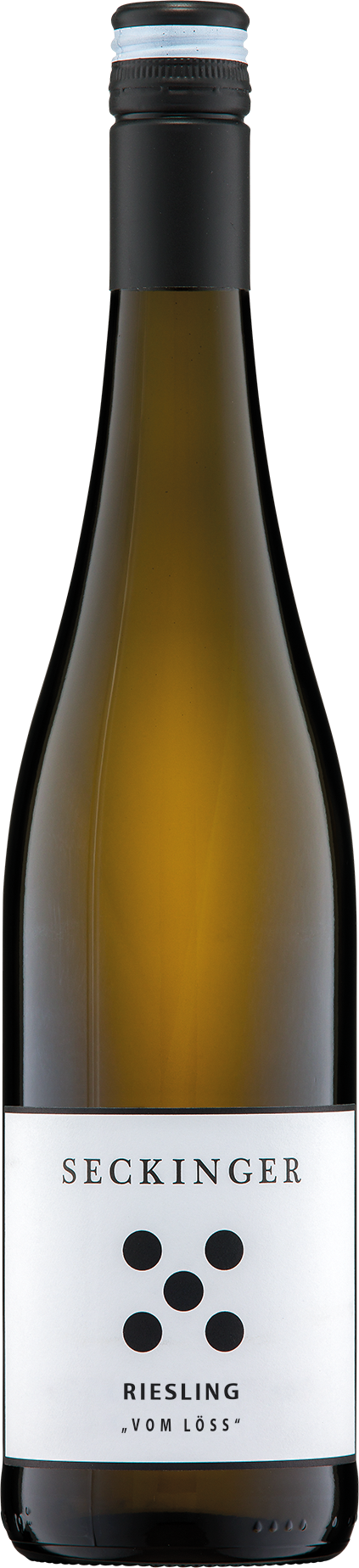
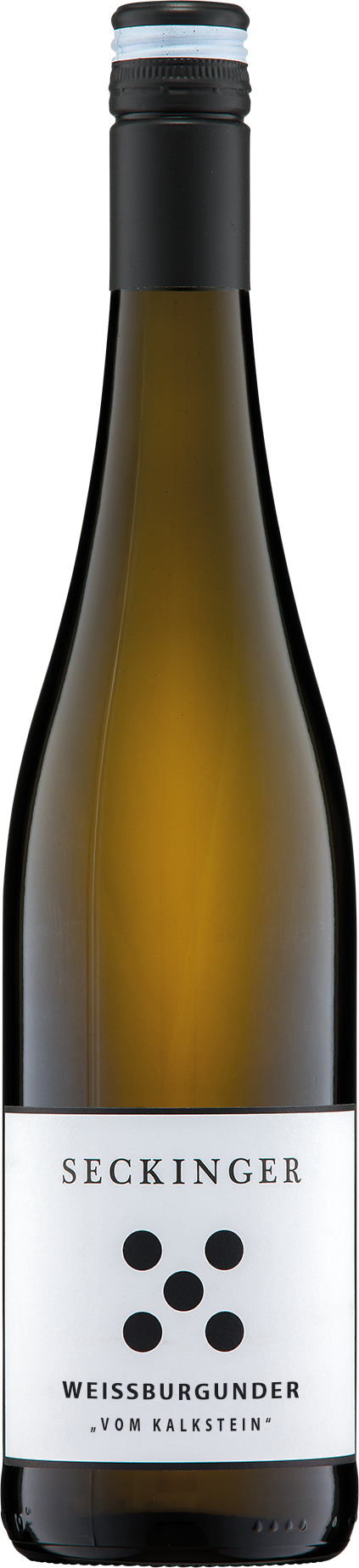
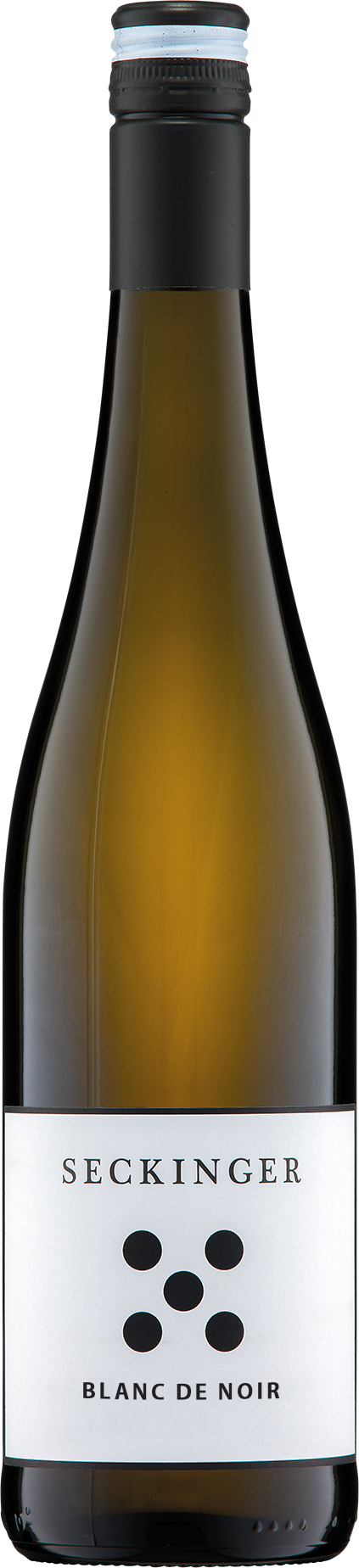
The range is oriented towards two grape variety families: Riesling and the Pinots — Pinot Blanc, Pinot Gris, Chardonnay, and Pinot Noir. The sites of the Mittelhaardt provide the basis for the Rieslings, including single sites such as Kieselberg, Langenmorgen, or Kalkofen in Deidesheim. In the southern Maikammer, where calcareous soils dominate, the Pinot varieties are created — the Chardonnay from the Kapellenberg and the Pinot Blanc from the limestone are among the typical flagships of this terroir. The wines are uncompromisingly dry, spontaneously fermented, and carry a salty, often slightly phenolic vein that clearly distinguishes them from pleasing Palatinate mass-produced goods. Riesling from loess shows the loamy-earthy side of the region, while the limestone cuvées of the Pinot varieties impress with fine fruit and cool structure. The Blanc de Noir from Pinot Noir grapes rounds off the white wine range with light rosé fruit and a dry bite. Within a few years, Seckinger were listed by Gault&Millau, Falstaff, and Eichelmann as one of the fastest rising stars on the German wine scene — a recognition that the winery has earned through consistent work in the vineyard and in the cellar, not by adapting to mass taste.