Since 1694 on the Helderberg: From Cape Governor's land to the Engelbrecht family winery
March 12, 1694, is the date on the title deed of Rust en Vrede — at that time, Cape Governor Simon van der Stel granted the land on the southern flank of the Helderberg. "Rust en Vrede" means "Rest and Peace" in Dutch, and the Cape Dutch buildings from 1780, all of which are national monuments today, still stand upright in the daily life of the estate: Jean Engelbrecht grew up in the manor house, and the original cellar now houses the winery's restaurant.
Modern viticulture was established by Jannie's father, Jannie Engelbrecht, a former South African rugby star who acquired the estate in 1977 together with his wife Ellen and immediately began with a complete restoration. In 1978, he produced the first vintage of the modern era — a decision that hardly anyone in South Africa dared to make at the time: exclusively red wine, exclusively from their own grapes. Jean took over the management in 1998 and has consistently continued this line. A milestone of the early era: in 1993, Nelson Mandela chose Rust en Vrede as the wine to be served at the Nobel Peace Prize dinner in Oslo — at a time when South African wine was just returning to the international stage.
Focus as a program: Terroir, manual labor, and an underground cellar
Rust en Vrede is built on three pillars: tradition, focus, and quality. The focus is not a limitation, but a conscious decision: the estate is dedicated exclusively to Cabernet Sauvignon and Syrah — the grape varieties that thrive best on the north-facing slopes between 85 and 130 meters above sea level. The location south of Stellenbosch, about 15 kilometers from False Bay, ensures steady sea breezes that slow down ripening and give the fruit structure.
In the vineyard, the team relies on gentle cultivation methods with careful canopy management to protect the grapes from excessive sunlight during the warm growing season. Hand-harvesting takes place in the early morning hours when temperatures are still cool. In the cellar, a portion of the Syrah grapes are fermented as whole bunches — in open stainless steel tanks. Subsequently, the wines are stored in French oak barrels before they mature in one of South Africa's most remarkable cellars: the underground storage cellar — the first of its kind for a private winery in the country — was built in the 1980s and offers constant temperatures and humidity for bottle aging. All wines are vegan and sealed with natural corks, each of which is tested for TCA-freedom.
Since 2022, Danielle le Roux has been responsible for cellar work as the fourth winemaker of the modern era. A trained Cape Wine Master, she sees her task as passing on a common thread: "We stand on the shoulders of those who came before us." Her signature: restraint instead of extraction, structure and elegance instead of opulence.
Cabernet, Syrah, and the Estate-Blend: Red wines with backbone
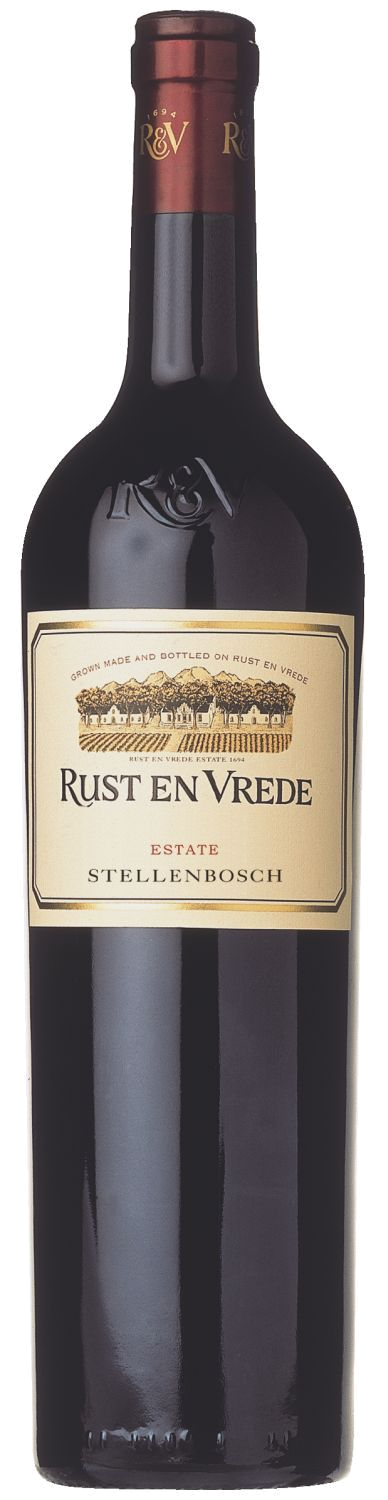
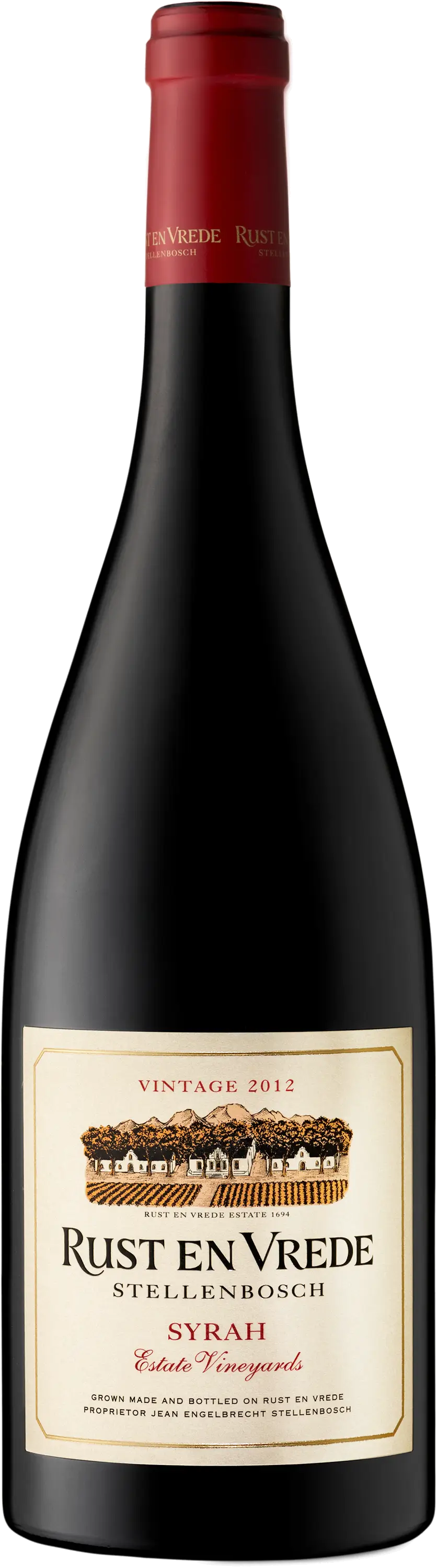
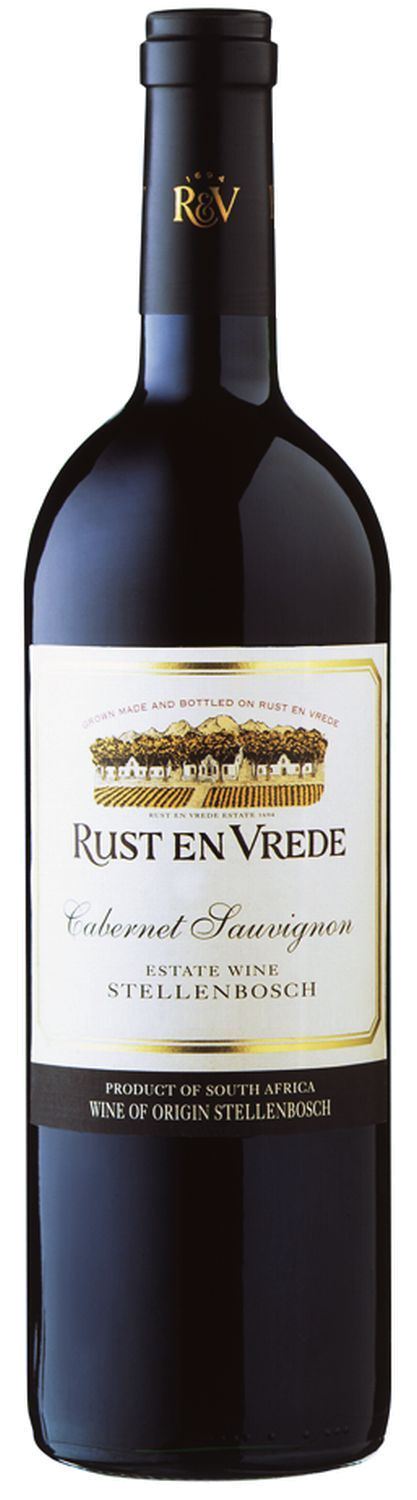
The range rests on a few, clearly defined wines. The Cabernet Sauvignon — the heart of the 22 hectares of vineyards — matures for 18 months in French oak barrels (20% new) and shows lavender, blackcurrant, and cedarwood on the nose, and red cherry, graphite, and dark chocolate with firm, fine-grained tannins on the palate. The Estate Wine — a cuvée of Cabernet Sauvignon, Syrah, and Merlot in the proportions of the vineyard planting — is considered the estate's most honest terroir statement and has been voted among the top 100 wines in the world by Wine Spectator several times, most recently in 2016. Finally, the Syrah stands for Jean's own generational contribution: concentrated, varietally typical, and designed for longevity. You should drink all three wines best with hearty meat dishes — leg of lamb, saddle of wild boar, or aged hard cheese — at 17–18 °C.