From wine cooperative to an institution of Cape wine
On January 8, 1918, winegrowers from the Western Cape, led by Dr. Charles Kohler, founded the Ko-operatiewe Wijnbouwers Vereniging van Zuid-Afrika — or KWV for short. The occasion was tangible: following the Boer War and the First World War, the South African wine industry was struggling with overproduction, collapsed export markets, and uncontrolled prices. By the end of 1917, Kohler had succeeded in gathering more than 90 percent of all Cape winegrowers behind him to establish the cooperative. The goal was to stabilize the industry, negotiate collectively, and enforce quality standards.
In the following decades, KWV's influence grew far beyond that of a simple cooperative. From the early 1920s, the organization increasingly gained legal control over production, sales, and exports. In 1926, KWV became one of the first brandy producers at the Cape and exported its first bottling to Great Britain. In 1949, the Roodeberg red wine was launched, which would go on to become one of South Africa's most iconic brands. In 1972, KWV initiated the South African Wine of Origin system, which officially came into force in 1973 and is still recognized worldwide today as a certification of origin. With the end of apartheid and the opening of global markets in the early 1990s, KWV underwent a transformation: in 1997, the cooperative was converted into a private company.
Grape selection from over 400 vineyard sites, cellars in Paarl
Today, KWV sources its grapes from more than 50 estates and over 400 vineyard plots spread across the most important growing regions of the Western Cape — including Paarl, Stellenbosch, Swartland, Elgin, Robertson, and Wellington. Selection is handled by their own cellar masters and viticulturists, who work closely with the growers and oversee the harvest from vine training to the time of picking. The grapes are processed at the winery in Paarl, the centerpiece of which is the historic Cathedral Cellar from 1930 — a vaulted structure covering nearly 32 hectares of operating area, one of the largest cellar complexes in the Southern Hemisphere.
In 2004, the company completed the largest Broad-Based Black Economic Empowerment deal in the South African wine industry to date, through which Phetogo (Pty) Ltd. received 25.1 percent of the shares — a structural policy signal in a country that had to realign its agricultural economy after the end of apartheid.
Roodeberg, Laborie, and the Winemakers Collection: three faces of a great house
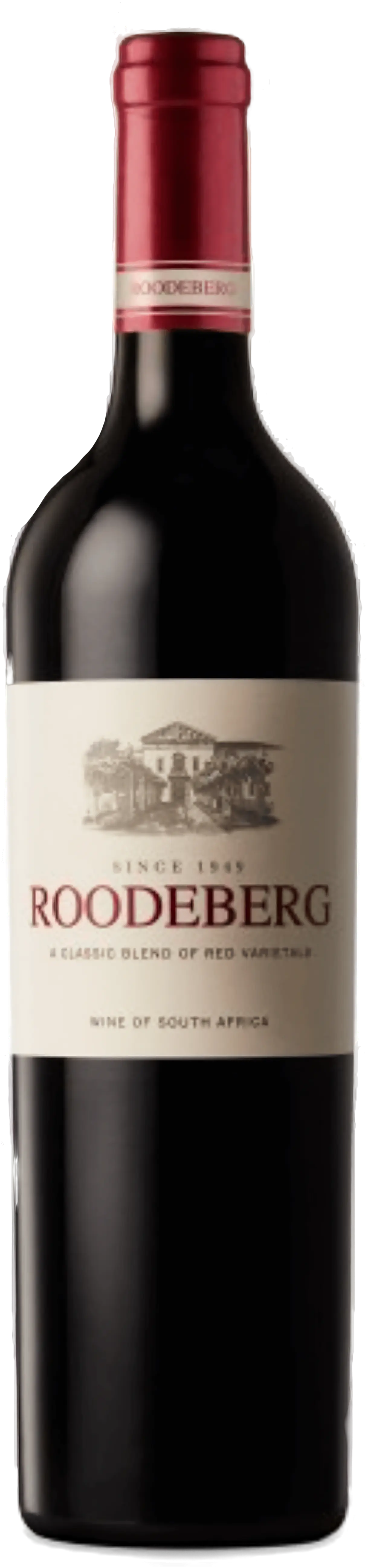
KWV's range spans a wide spectrum. Roodeberg, on the market since 1949, is a red wine cuvée made from Cabernet Sauvignon, Shiraz, Tannat, and other Western Cape varieties. The individual grape varieties are fermented separately, then aged for 14 to 16 months in French oak barrels, and only then blended — the exact composition remains a winery secret. The result is a full-bodied, dry red wine with aromas of dark berries, cedar, anise, and chocolate, a dense tannin structure, and a long finish. Suitable for roasted meat, hearty stews, or aged hard cheese.
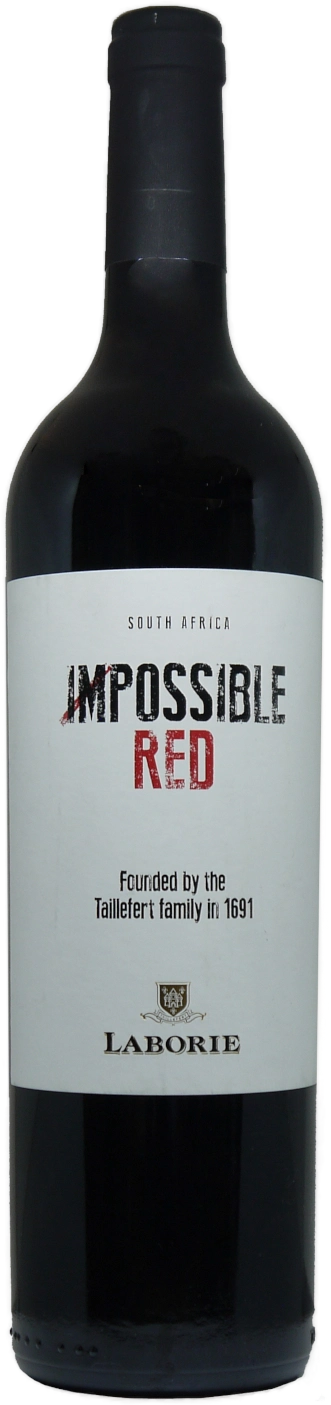
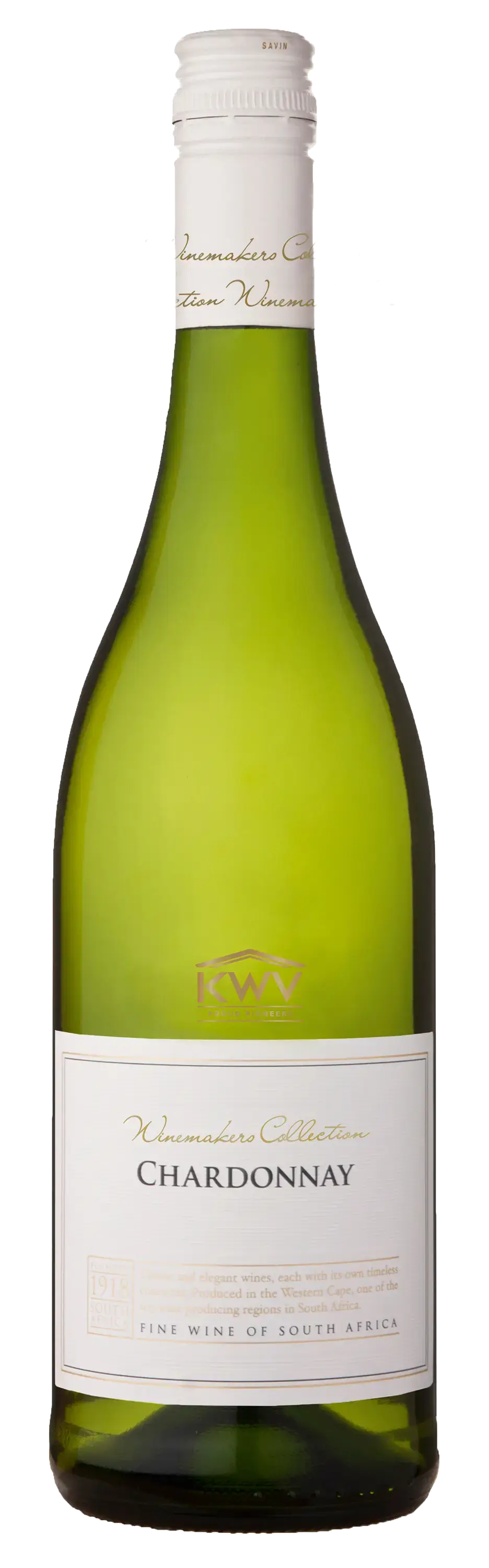
The Winemakers Collection represents the artisanal side of the house: varietal wines like the Chardonnay, which showcases the versatility of Western Cape sites. Laborie, the winery with its own estate building in Paarl, complements the portfolio with terroir-driven bottlings like the Impossible Red. In addition, there are brandy bottlings for which KWV has won international awards — the 15-year-old Potstill Brandy has already won the Worldwide Trophy at the International Wine and Spirits Competition ten times.