Pioneer in the shadow of the Andes: How Finca Las Moras reinvented San Juan
When the Australian ampelographer Richard Smart restructured the vineyards in San Juan in 1993, he laid the foundation for a winery that would permanently change the region. Finca Las Moras was the first winery in San Juan to consistently focus on quality wines — at a time when the province north of Mendoza was still largely considered a land of table wines. The name says it all: the mulberry trees (moras) that line the vineyards gave the winery its name and still stand today as a symbol of the deep roots in the terroir. Today, Finca Las Moras belongs to Grupo Peñaflor — one of Argentina's largest wine producers, which has been managed by the Bemberg family since 2010 — and supplies markets in more than 70 countries.
Three valleys, a dry climate, consistent sustainability
The heart of Finca Las Moras' work is around 1,100 hectares of vineyards, spread across three valleys in San Juan with very different altitudes: the Tulum Valley at 650 meters, the Zonda Valley at 950 meters, and the Pedernal Valley at up to 1,350 meters above sea level. These differences in altitude ensure an enormous range of aroma profiles — from lush, fruity red wines from lower altitudes to structured and acidic white wines from the cool slopes of the Pedernal. San Juan is Argentina's second-largest wine region and is characterized by an extremely dry, sunny climate. These very conditions create the prerequisite for organic viticulture: the low disease pressure makes the use of artificial fertilizers and synthetic pesticides largely superfluous. Finca Las Moras recognized this advantage early on and made it a supporting pillar of its philosophy — with certified organic lines and a Fairtrade certification that ensures not only environmental protection but also fair conditions for the people in the company.
From the popular Malbec variety to the avant-garde DADÁ
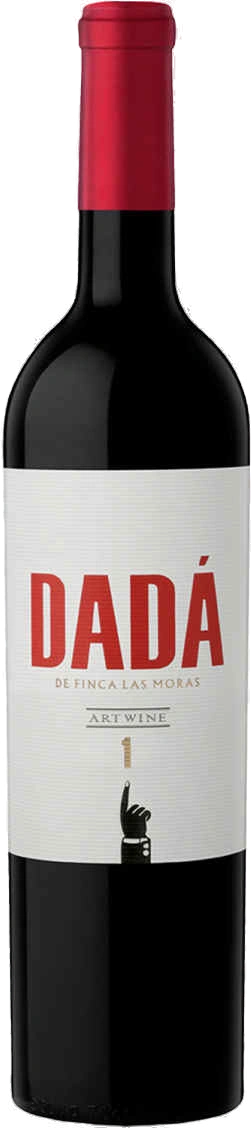
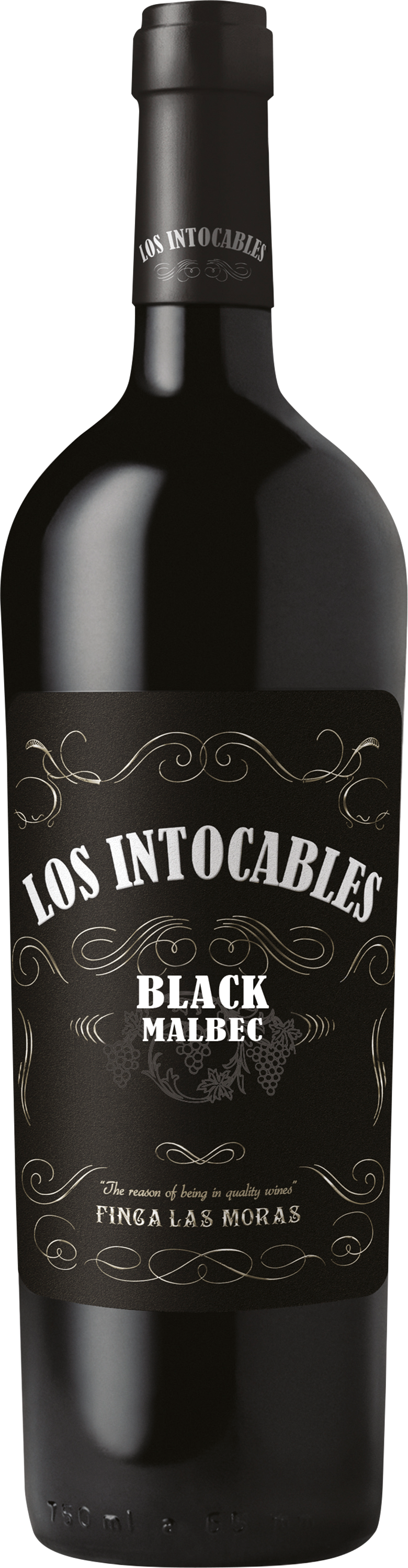
The range of Finca Las Moras reflects a clear conceptual approach: fruit and expression of the terroir should be in the foreground, not wood spice or over-extraction. Syrah and Malbec are the dominant grape varieties — Syrah grows in San Juan under similarly favorable conditions as in the northern Rhône, but thanks to the intense sunlight, it brings an independent, meaty-spicy ripeness with it. Malbec, ubiquitous in Argentina, reaches a concentration and coolness in the Pedernal Valley at over 1,300 meters that clearly sets it apart from mass-produced products. In addition, there are Viognier, Chardonnay, Sauvignon Blanc, and Bonarda, which open up the portfolio towards white wine and independent Argentine blends. The DADÁ line — including DADÁ No.1 and Merlot DADÁ No.2 — stands for the playful, stylistically more open approach of the winery: accessible wines with clear fruit, modern design, and little fear of unconventional grape variety combinations. Los Intocables Black Malbec marks the other end of the spectrum: a concentrated, wood-aged red wine from San Juan's best high-altitude sites, which shows what the region is capable of when given time and care.