From the Cromarty Firth to the world: 1839 to today
The Dalmore has stood on the north coast of the Cromarty Firth since 1839, about 20 miles north of Inverness — a location that founder Sir Alexander Matheson deliberately chose away from existing trade routes. Matheson was a merchant and member of parliament who had built his capital while traveling through Asia and now wanted to create his own uncompromising single malt. Early on, he had unusually shaped stills built and experimented with cask maturation when that was not yet the norm in Scotland.
In 1867, brothers Andrew and Charles Mackenzie took over the business. They brought not only fresh capital and an extensive trading network, but also their family crest: the 12-pointed royal stag, which the Clan Mackenzie has carried since 1263 — as a reward for ancestor Colin of Kintail saving King Alexander III from an attacking stag. Since then, the emblem has adorned every bottle. The distillery remained in family hands until 1960, before being taken over by Whyte & Mackay, which today belongs to the Philippine group Emperador Inc.
Handcraft, cask art, and a partnership for over a century
What technically distinguishes Dalmore begins at the stills: eight copper pot stills in two buildings, asymmetrical in size and shape, with flat tops on the wash stills and water-cooled necks on the spirit stills — a construction that forces an unusually high amount of copper contact and reflux. The result is a voluminous, oily-rich new make that not only tolerates long maturation periods but demands them. The temperatures and cut times are still manually regulated today.
The backbone of the style is the cask strategy. For over a century, Dalmore has sourced sherry casks from González Byass in Jerez — including the Matusalem Oloroso butts, which were seasoned with sherry for at least 30 years before coming to Alness. The new distillate matures first in American white oak ex-bourbon casks before moving into sherry or wine casks. Port pipes from Graham's in Porto, Madeira, Marsala, and Cabernet Sauvignon casks, as well as casks from Bordeaux and Châteauneuf-du-Pape, complement the portfolio. This practice of multiple maturation goes back to the Mackenzies: in 1891, they launched a 23-year-old whisky that had been aged for eleven years in sherry casks — at a time when this was almost unknown in Scotland.
A range that treats cask maturation as a craft
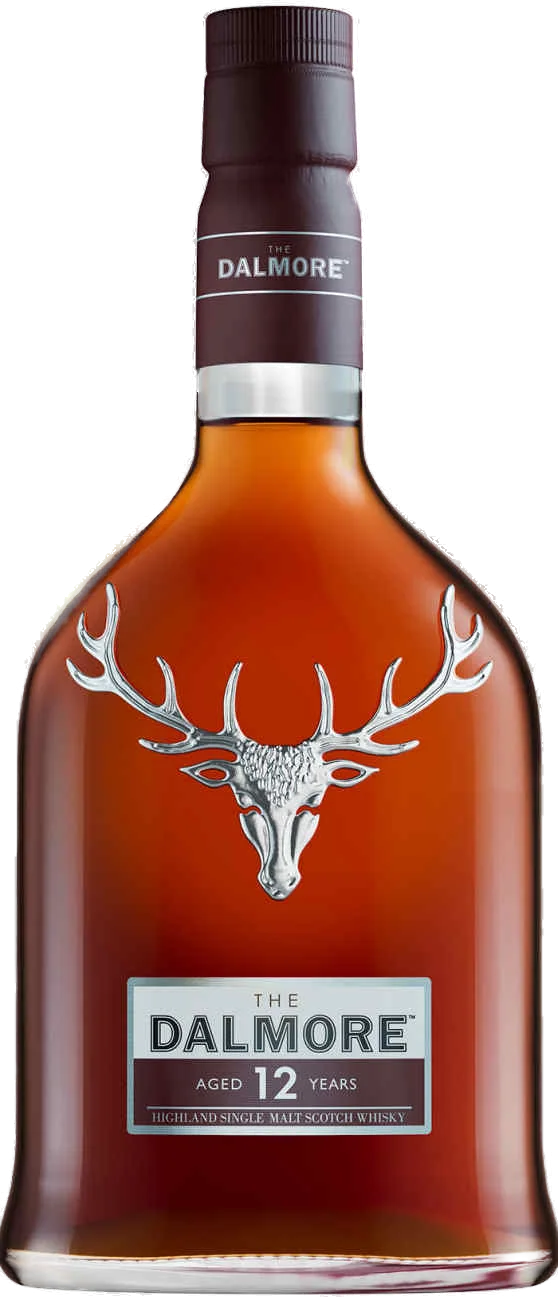
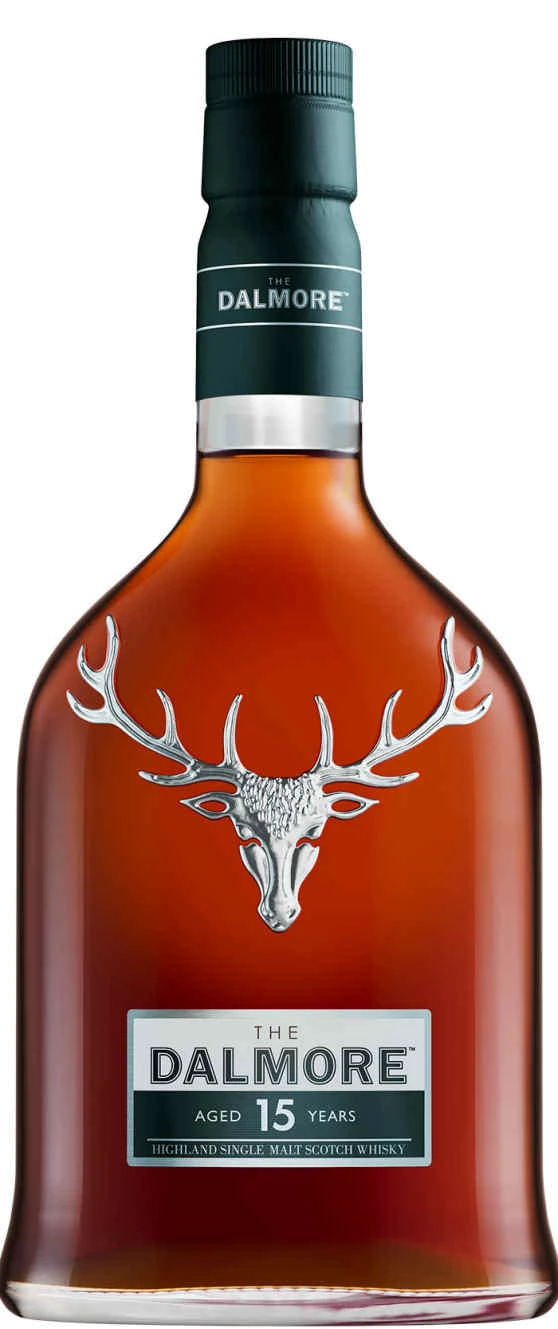
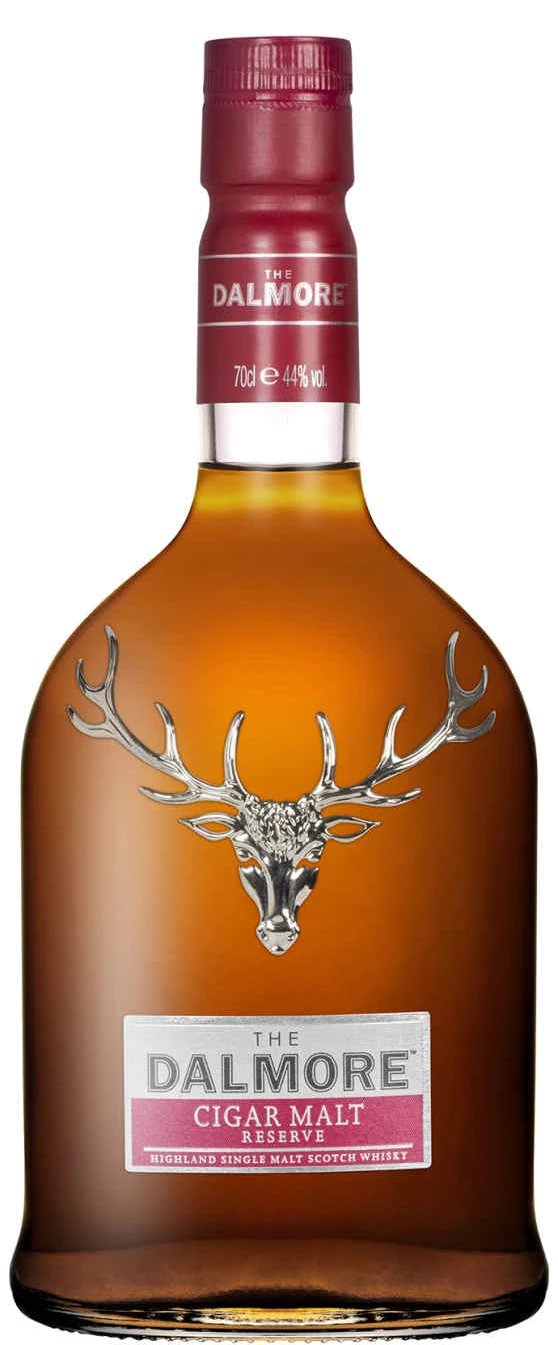
In the range at Vinoscout, you will find four expressions that show how consistently Dalmore pursues this approach. The 12 Years combines ex-bourbon, Oloroso sherry, and Pedro Ximénez casks: orange marmalade, cinnamon, dark chocolate, a hint of cedar wood. The 15 Years relies more heavily on the sherry cask component and gains in spice density and dried fruit pulp. The Cigar Malt Reserve is finished in barriques from Château Haut-Marbuzet in Saint-Estèphe — red wine wood that gives the whisky a tannic structure and dark berry fruit. And the Port Wood Reserve spends its final period in port wine casks, resulting in dried fruits, caramel, and a long, slightly sweet finish. All four are suitable for the evening after a meal, neat or with a stone of ice — for when you have time to listen to the cask.