From the Harvey brothers to the rebirth at Loch Indaal
Bruichladdich Distillery was founded in 1881 by brothers Robert, William, and John Gourlay Harvey on the shores of Loch Indaal on Islay. The Harvey family already owned two distilleries on the Scottish mainland and brought all their distilling experience to the remote Hebridean island. What they built there was a technological forerunner at the time: a purpose-built new facility made of local sea stone, designed around a large, light-flooded courtyard — in an era when most Islay distilleries were still being converted from old farm buildings. The characteristically tall, slender-necked pot stills, which are still in operation today, were specifically chosen to achieve a lighter, purer distillate character than that produced by the peat-heavy neighboring businesses.
After several closures in the 20th century — most recently from 1994 to 2000 — a group of private investors led by Mark Reynier and experienced master distiller Jim McEwan acquired the decommissioned facility. From 2001, the Victorian equipment was largely preserved, but the mission statement was rewritten: origin, slowness, and transparency instead of industrial efficiency. Since 2012, Bruichladdich has belonged to the French house Rémy Cointreau, which has expanded the infrastructure but consistently continued the terroir-driven course.
Terroir, barley, and the attitude behind the glass
Bruichladdich sees itself as “Progressive Hebridean Distillers” — and means it literally. Only Scottish barley enters the mash tun, a significant portion of which grows on Islay itself, on individual farms that can appear by name on the bottles. The spring water for bottling comes from a natural spring horizon at the Octomore farm, where it is filtered through ancient gneiss rock. All whiskies and the gin are bottled on the island — without chill filtration and without the addition of coloring.
In May 2020, Bruichladdich became the first Scotch whisky distillery in the world to be awarded the B Corp seal. Since then, the distillery has increased its impact score from 83.2 to 100.7 points — an improvement of 21%. The four pillars of sustainability include agriculture and biodiversity, packaging and waste reduction, community on Islay, and energy, with the stated goal of completely decarbonizing distillation. With its own bottling plant on-site, Bruichladdich is also one of the largest private employers on the island.
Three characters, one water, no compromises
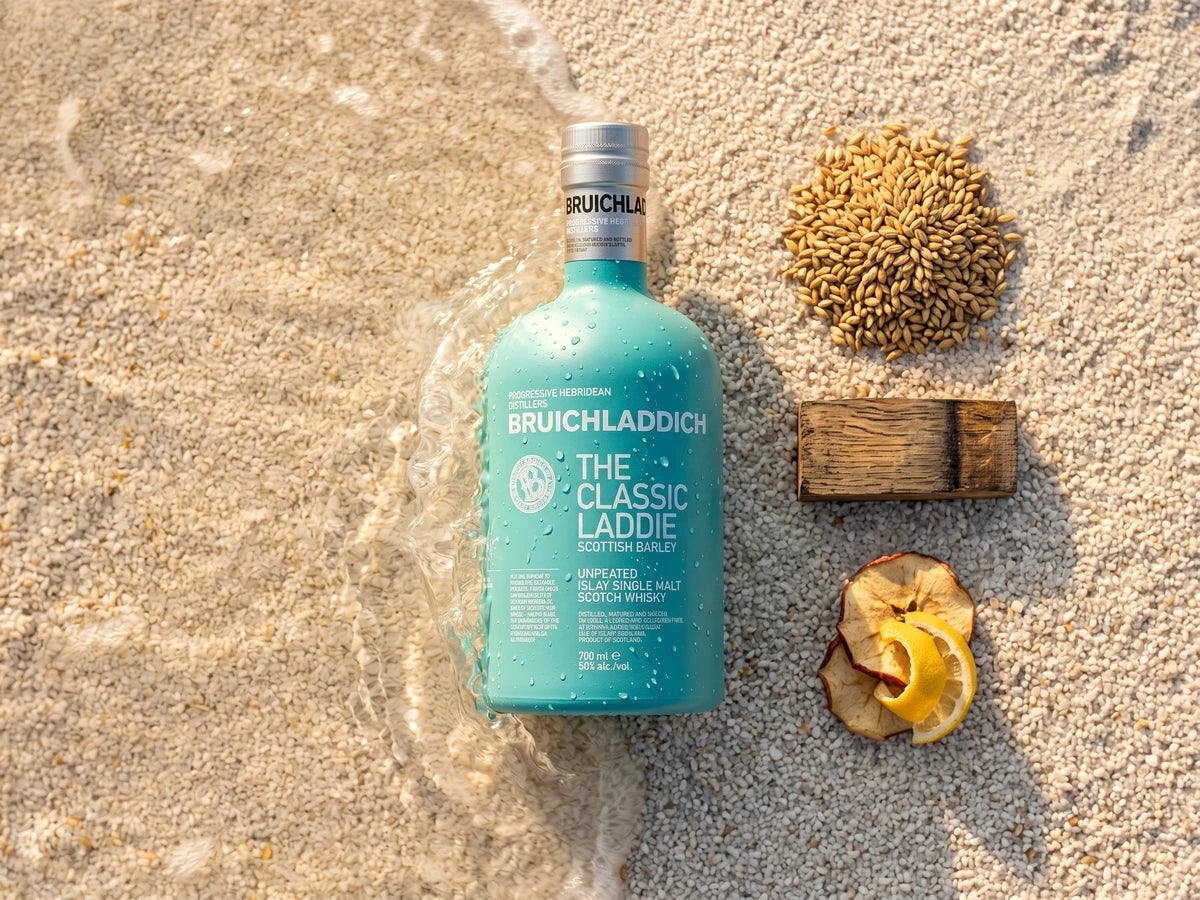
The range is divided into three clearly defined whisky lines, distilled in the same facility but with different peat levels. Bruichladdich is always unpeated: floral grain notes, light fruit, fine texture — The Classic Laddie is the heart of this line and the most direct expression of the house style. Port Charlotte brings heavy peatiness at 40 ppm, but combines smoky depth with a finesse unusual for Islay. Finally, Octomore is considered the most heavily peated whisky in the world — over 160 ppm — and yet surprises with structured elegance instead of mere smoke-bomb intensity.
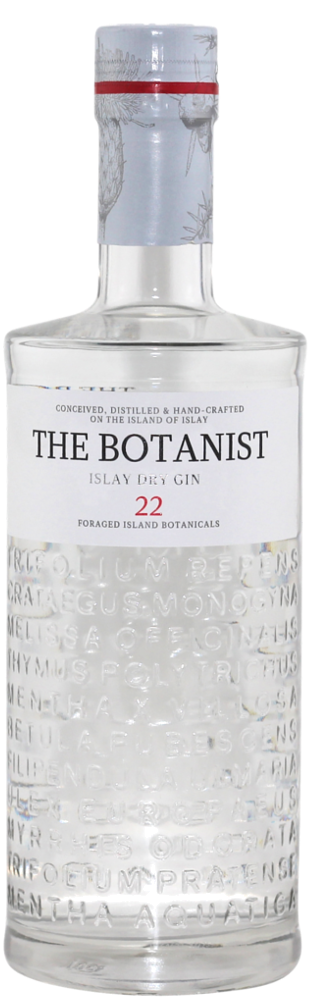
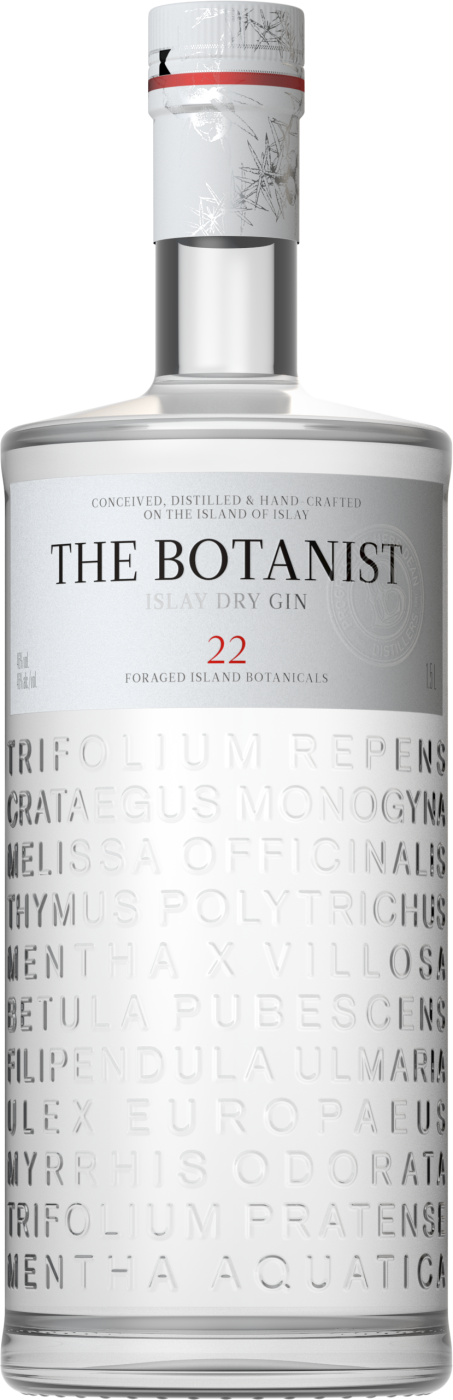
The portfolio is complemented by The Botanist Islay Dry Gin, distilled in a historic Lomond still from the demolished Inverleven distillery. 22 botanicals foraged wild on Islay — including island thyme, chamomile, and apple mint — give the gin its unmistakable character, which goes beyond classic juniper. Whether whisky or gin: what comes from Bruichladdich visibly carries the island within it.