Between Pomerol and Saint-Émilion: the Chantecaille plateau
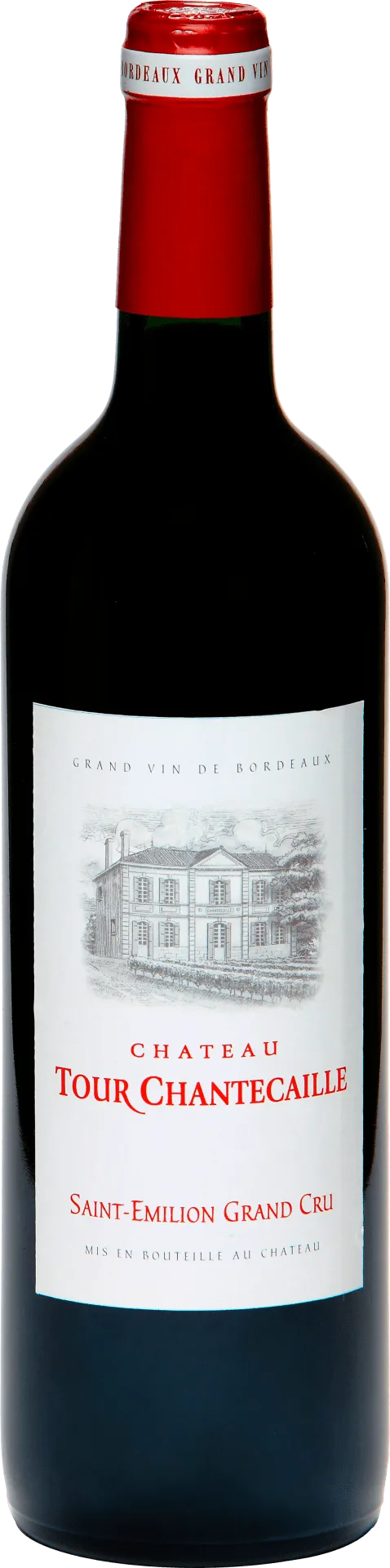
Château Tour Chantecaille is located in the far northwest of Saint-Émilion, on the plateau that shares the appellation border with Pomerol. Neighbors include Château L'Évangile and Château Gazin. Pétrus is also not far away. The name goes back to the 'Chantecaille' location.
The estate belongs to the Angle family, who manage it from their 19th-century manor house. According to merchant information, the property has been in family hands since 1879. About nine hectares belong to the winery.
Hand-picking, concrete and a year in barriques
Merlot takes up the largest part of the area, only about two hectares are planted with Cabernet Franc. The vines take root in a one to two-meter thick layer of sand and stones. Below that is stony clay, a subsoil like that found in some top estates in Pomerol.
The grapes are picked by hand. The wine ferments in concrete tanks, according to a British importer parcel by parcel and with four to five weeks of maceration at a controlled temperature. It then matures for twelve months in oak barrels from three different coopers. Every year, a third of the barrels are renewed. For the 2016 vintage, the same importer mentions a new wood content of 40%, the rest are barrels from one and two years of use.
Saint-Émilion Grand Cru: classically built, with wood spice
The range focuses on the Saint-Émilion Grand Cru made from Merlot and Cabernet Franc, with about 14% vol. The nose shows spices as well as red and dark fruits, plus the cedar note from the wood aging. On the palate, the wine is full and round, the tannins are supple, the finish is long. An importer describes the 2016 vintage as classically balanced, with purity and finesse.
At the table, the wine goes well with roasted quail, veal in mushroom cream, pork fillet with garlic and green herbs, game birds or mature cheese. Beef, lamb and game are also good partners. Serve it at 15 to 18 °C, then the fruit and spice come into their own best.