Nine generations in one place: the history of the Saby family
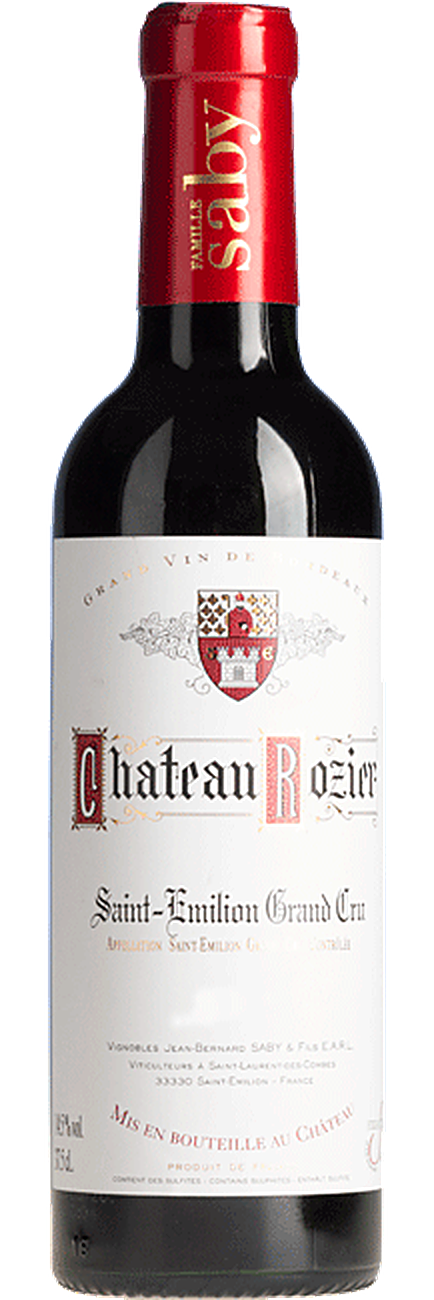
The history of Château Rozier begins in 1775, when an ancestor of the Saby family acquired the first plot at the foot of the hills of Saint-Laurent-des-Combes. From this single plot, one of the most consistent family wineries in the entire Saint-Émilionnais grew over generations. Today, brothers Jean-Christophe and Jean-Philippe Saby run the winery in the ninth generation – both trained oenologists, both with the ambition to pass on the heritage that their ancestors built through acquisitions, inheritances, and marriages.
The Château bears its name in honor of Abbé Rozier, who wrote one of the first systematic manuals of modern viticulture in the 18th century – a programmatic indication of the importance that knowledge and craftsmanship have always had in this family. Today, the Vignobles Saby comprise a total of around 70 hectares, spread over several estates in the appellations of the Libournais, including Château Hauchat-La-Rose in Fronsac and Château Saint-André-Corbin in Saint-Georges-Saint-Émilion.
Clay-limestone, hand-picking, and moderate barrel use
The heart of the family estate is Château Rozier itself: around 28 hectares, divided into over 56 individual plots, which reflect the geological diversity of the Saint-Émilion Grand Cru appellation in a single winery. The predominant clay-limestone soils give the vines – on average 40 years old – good support and force them to root deeply. Harvesting is done exclusively by hand.
In the cellar, work begins in concrete and stainless steel tanks before the wine moves into French oak barrels for around twelve months: 30 percent new barriques, 70 percent older ones. This ratio is no coincidence – it allows for gentle oxidation and structure formation without the wood masking the fruit. Since 2011, the Sabys have been farming according to the principles of the Haute Valeur Environnementale (HVE), the French standard for sustainable viticulture. Terroir and the environment are the focus, not the spectacle of the production method.
Merlot dominance, clay-limestone depth, finish with tension
The Château Rozier Saint-Émilion Grand Cru consists of 80 percent Merlot, supplemented by Cabernet Franc and a small proportion of Cabernet Sauvignon. Merlot on clay-limestone typically produces wines with a velvety texture and dark fruit in Saint-Laurent-des-Combes – blackberry, ripe plum, a hint of cedar wood – while the Cabernet Franc contributes fresh spice and structure. The finish shows the mineral tension that the limestone soils in this location regularly produce.
Those who appreciate red wine from the Right Bank that prioritizes substance over effect will find a reliable representative of classic Saint-Émilion in Château Rozier. Goes well with leg of lamb with a herb crust, mature Comté, or duck breast with lentils. Serving temperature: 16–18 °C.