From Barton & Guestier to Domaine Clarence Dillon: a long history of ownership
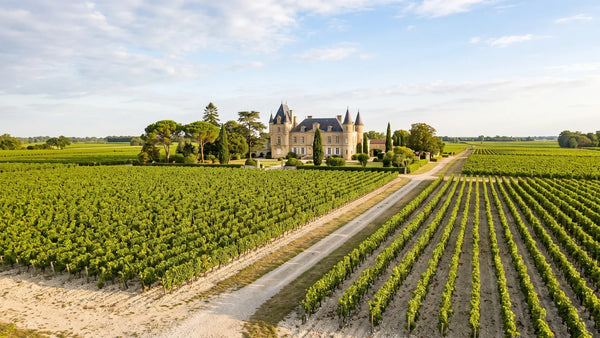
Château Grand-Pontet is one of the oldest documented estates in Saint-Émilion. The first vines on this terrain are traced back to the early 15th century. Through changing hands, the winery eventually reached the well-known Bordeaux négociant Barton & Guestier, who held it for a large part of the 20th century. In 1980, the Bécot family — also owners of Château Beau-Séjour Bécot — acquired the estate together with the Pourquet family. Sylvie Pourquet-Bécot managed the Château for over two decades and shaped its reputation as a reliable Grand Cru Classé. In 2021, Domaine Clarence Dillon, the parent company of Château Haut-Brion and Château La Mission Haut-Brion in Pessac-Léognan, acquired the property and integrated it into its Saint-Émilion operation around Château Quintus.
Limestone plateau right at the gates of the village
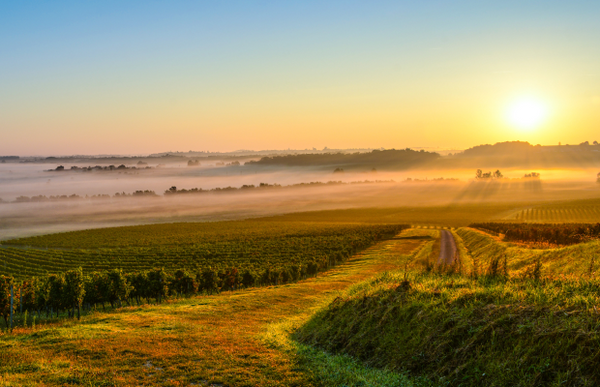
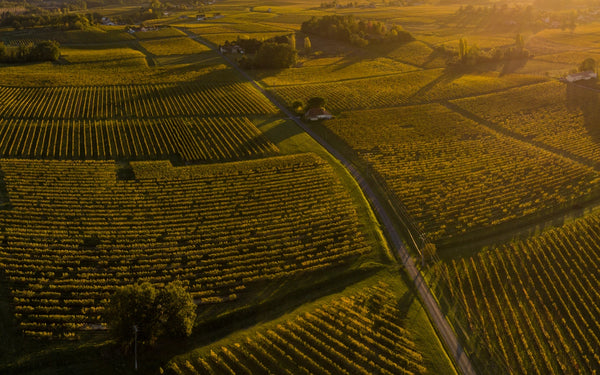
The vineyard ensemble of Grand-Pontet lies on the western plateau of Saint-Émilion, a few meters from the village center, and forms a contiguous block. The neighbors read like a who's who of the appellation: Château Canon, Clos Fourtet, and Château Beau-Séjour Bécot are immediately adjacent. The plateau reaches up to 55 meters in height and is exposed to the north, west, and south — a multitude of small microclimates that offer Merlot and Cabernet Franc different ripening conditions. The subsoil consists of limestone, over which thin clay-limestone and clayey-sandy layers are deposited. These soils retain moisture without creating waterlogging and force the vines to root deeply.
Vinification was traditionally carried out in small, temperature-controlled stainless steel tanks of various sizes — small-scale cellar work that allows for plot-by-plot vinification. Aging took place over 12 to 18 months in French oak barrels, with the proportion of new barrels adjusted according to the vintage. With the takeover by Domaine Clarence Dillon, the grapes now flow into the selection process of Château Quintus.
Merlot-dominated style with structure and depth
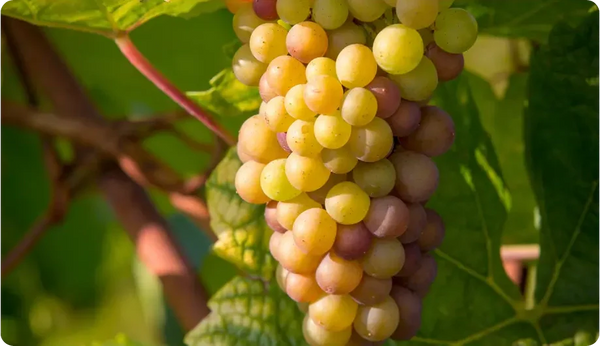
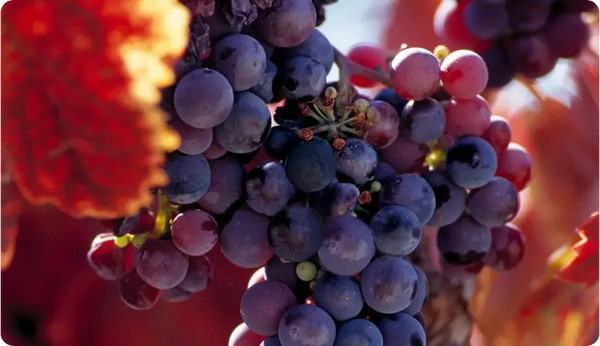
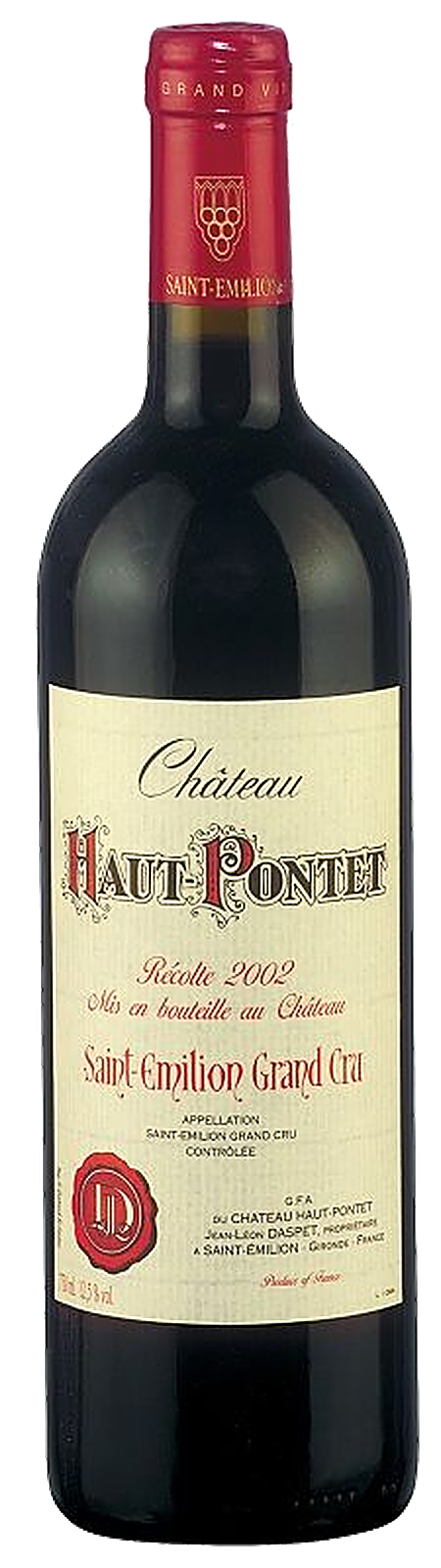
The cuvée of Grand-Pontet was based on about 70% Merlot, supplemented by Cabernet Franc and smaller proportions of Cabernet Sauvignon. In ripe vintages, the wine showed a deep garnet-purple, in the nose dark cherries, plums, violets, and a touch of earth and tobacco leather. On the palate, the limestone subsoil contributed to a mineral line and a long finish — the typical profile of the western plateau sites of Saint-Émilion, which brings more structure than many of the flatter sand and gravel soils of the appellation. As a second wine, the Dauphin de Grand Pontet existed. The Château Haut Pontet Saint-Émilion Grand Cru available in the shop comes from the same geographical environment and stands for the classic right-bank Bordeaux style of this corner site: fruit-forward, with firm tannin structure and the characteristic lime-mineral tone of the plateau. Serving temperature: 16–18 °C. Classic with duck breast, lamb shank, or mature Comté.