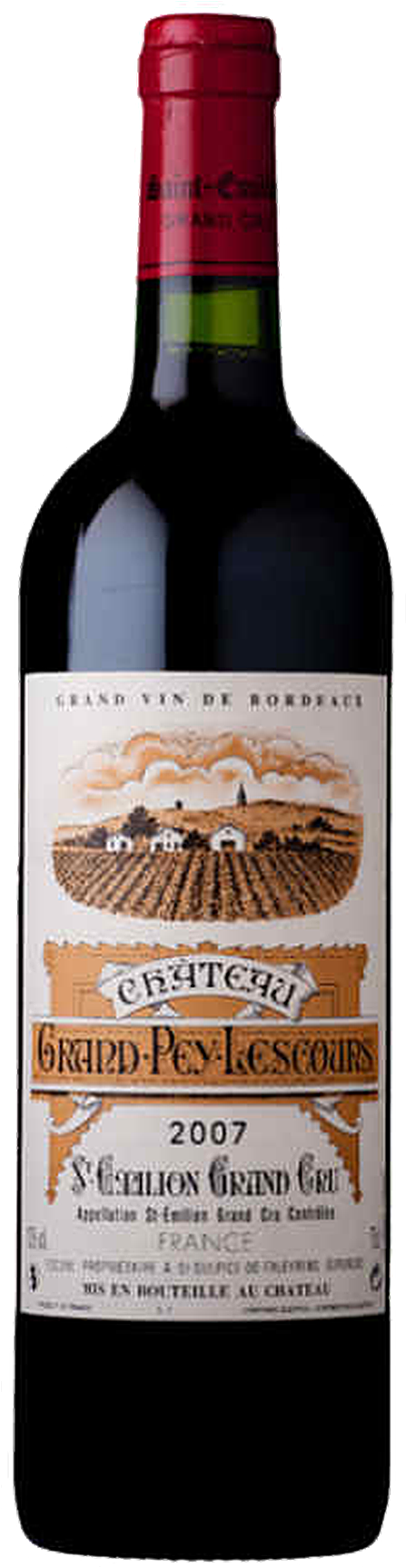
In family hands since 1924: the Escures and their legacy at the foot of the Côteaux
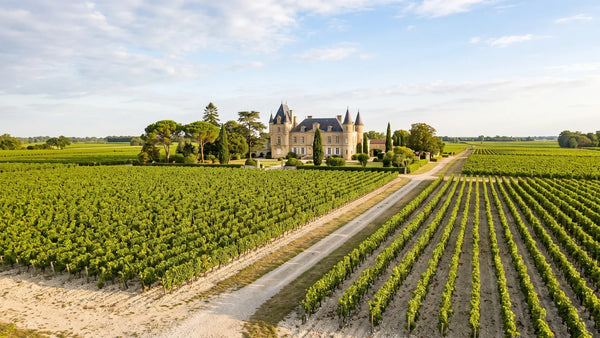
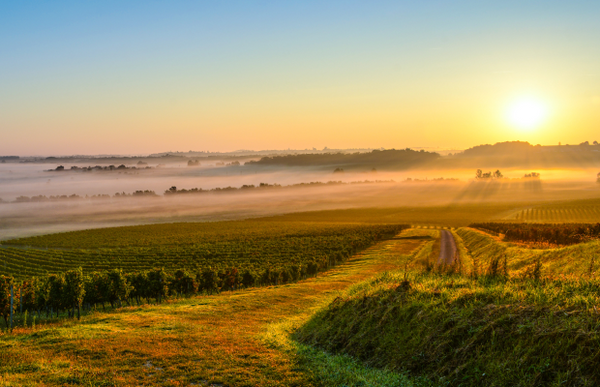
Château Grand Pey Lescours has been owned by the Escure family since 1924 — at that time, they took over the estate from the Baronne de Brezets, who had shaped the estate's noble character until then. Since then, it has been passed down in a direct line: today, the third generation is at the helm, with Françoise Escure having managed the estate's affairs since 1999. The Château is located in the municipality of Saint-Sulpice-de-Faleyrens, not far from the Dordogne — in the southwestern part of the Saint-Émilion Grand Cru appellation, where the gentle slopes of the Côteaux transition into the plain. In addition to Grand Pey Lescours, the Escures also manage Château Bellisle Mondotte on the argilo-calcaires of Saint-Laurent-des-Combes in the east of the appellation.
Organic viticulture without shortcuts: work in the vineyard and in the cellar
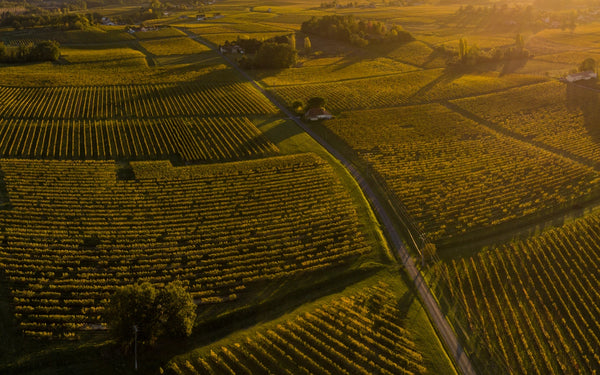
The approximately 25-hectare contiguous estate grows on gravelly-sandy soils; in some plots, iron-rich subsoil — so-called Crasse de Fer or Alios — lies directly under the root system. This terroir shapes the structure of the wines just as much as the consistent organic management that the estate has practiced for over ten years. Herbicides and synthetic fertilizers are taboo. Instead, natural vegetation or targeted cover crops of oats, fodder peas, and field beans grow between the vines — depending on the annual requirements. All wines carry the organic certification from Ecocert.
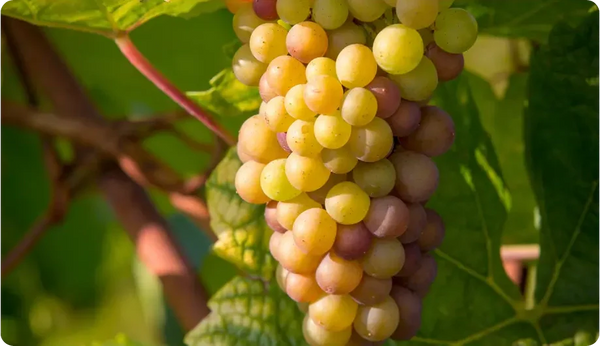
The grape harvest is carried out exclusively by hand, plot by plot, and only at optimal ripeness. In the cellar, the team works on sorting tables that mechanically remove leaves, stems, and unripe berries. The slightly crushed grapes ferment and macerate in temperature-controlled tanks — the cuvaison lasts about three weeks. The approach is clear: minimal intervention, maximum fruit quality.
Merlot-dominated Saint-Émilion classics with genuine aging potential
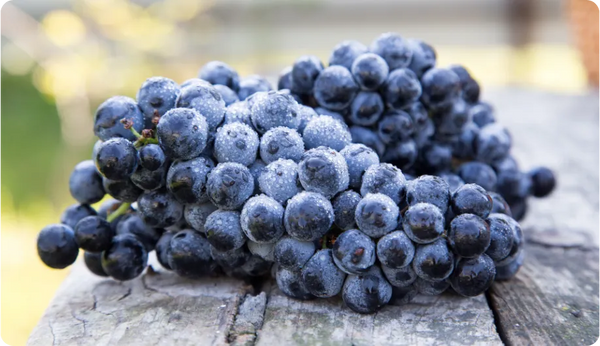
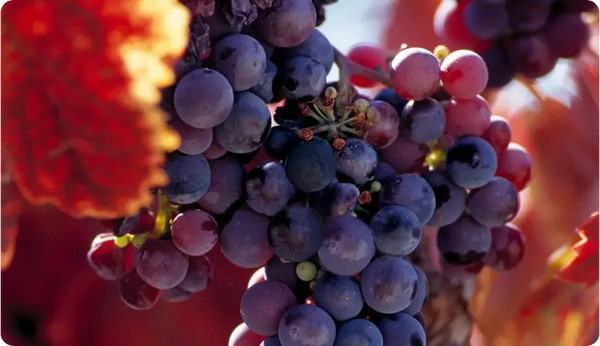
The grape blend of Grand Pey Lescours consists of 80% Merlot and 20% Cabernet Franc; the prestige cuvée — from a selection of old vines on 3.5 hectares — relies on 95% Merlot and 5% Cabernet Franc. The result is wines with a dark garnet robe, an aroma profile of wild forest berries, black cherry, and cassis, complemented by spicy notes of clove and tobacco from wood aging. On the palate, the wines show the typical melt of Merlot: broad, juicy texture, silky tannins, a long, cocoa-laden finish. In addition to the classic Saint-Émilion Grand Cru cuvée, it is above all the prestige line that is regularly mentioned in guides such as the Guide Hachette and was awarded at the Salon Millésime Bio. Anyone who knows Bordeaux from the left and right banks will find the best of the Rive Droite here: fruit, substance, and a character that gains depth with every year in the cellar.