Four centuries of wine history at the Plaine de Pierrefeu
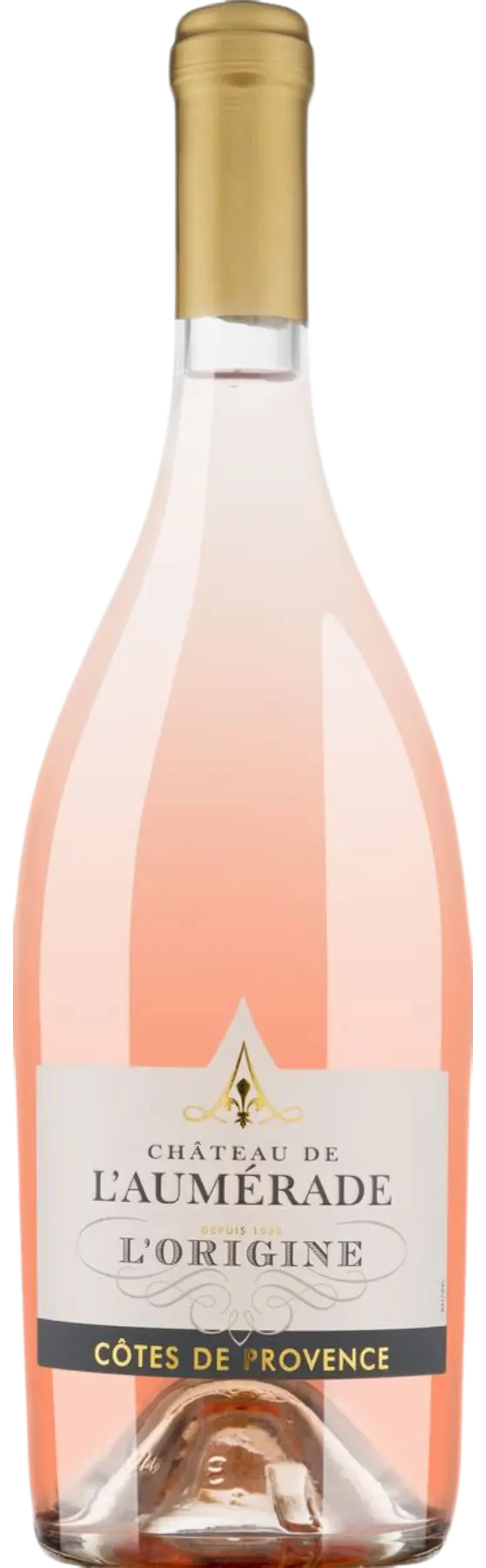
Château de l'Aumérade looks back on a history that begins long before the French Revolution. As early as 1594, King Henry IV had 15 mighty plane trees planted on the estate — they still stand in the park of the estate today. In the 18th century, the château came into the possession of the Aumérat family, who gave it its current name. Henri Fabre took the decisive step into the modern era: he acquired the estate in 1932, restructured the château from the ground up together with his wife Charlotte, and made it one of the first bottlers and co-founders of the Côtes de Provence appellation. In 1955, the winery was awarded the title Cru Classé — a classification that only 18 wineries in the entire Provence are allowed to claim. Together with their son Louis Fabre, they expanded distribution and export. In 1956, Charlotte Fabre designed a curved bottle, inspired by a pâte-de-verre vase by Émile Gallé — thus the legendary Cuvée Marie-Christine was born, one of the first design-oriented wine bottles in Provence. Today, Marie-Christine Fabre-Grimaldi and her husband Vincent manage the estate; the next generation — Caroline, Clément, and Delphine — is already involved in the management.
Argilo-calcaire terroir, Mediterranean winds, an estate in one piece
Château de l'Aumérade is located between the plain of Pierrefeu-du-Var and the Massif des Maures, about 15 kilometers north of Hyères. The contiguous winery comprises 350 hectares of vineyard area, 80 hectares of which have Cru Classé status. The soil is argilo-calcaire — clay-limestone, mineral, and well-drained. Mediterranean sea breezes cool the vineyards in the evening hours and ensure distinct temperature differences between day and night, which benefit the aromatics of the grapes. The Domaines Fabre as a whole are considered the largest family-run winery in the Var department; Château de l'Aumérade is their flagship.
The vineyards are managed by the family with the ambition to translate the terroir of the Pierrefeu plain into the bottle as directly as possible. Viticulture and cellar management follow a guiding principle that the estate has communicated for decades: “Nos vins sont l'expression de notre terroir et de notre passion.