From Roman vine roots to the Bécot family saga
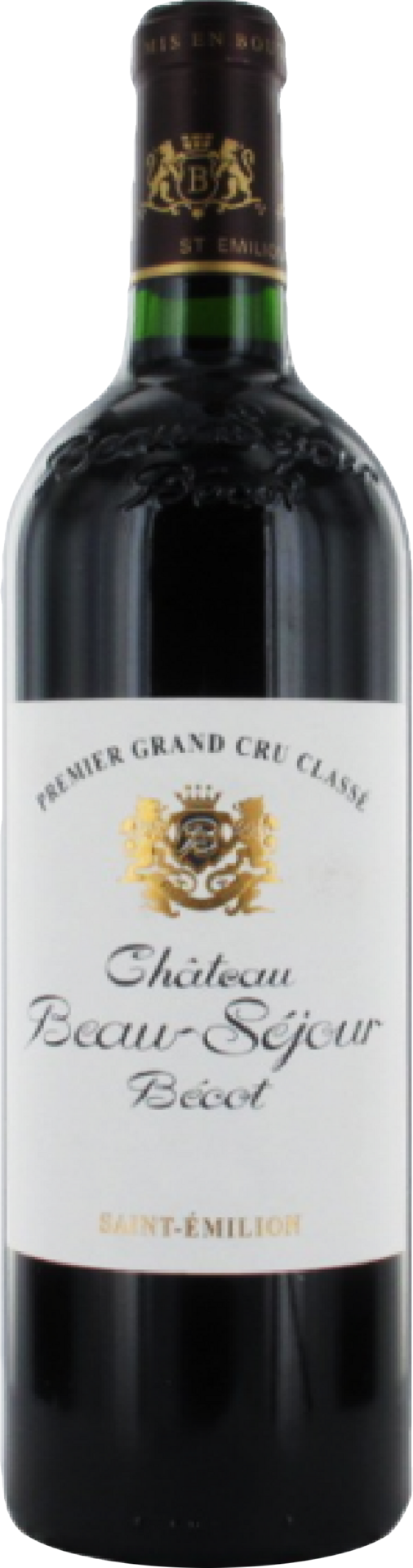
On the limestone plateau west of Saint-Émilion, the vines of Beau-Séjour Bécot have been growing since antiquity – excavations prove viticulture from the 3rd century, and in the Middle Ages, the monks of the Saint-Martin Abbey cultivated the plots. In 1787, General Jacques de Carles gave the estate the name it still bears today, "Beau-Séjour," meaning "beautiful stay."
In 1969, Michel Bécot, who already owned the neighboring Château La Carte, acquired the estate and added his name to it. From 1985, his sons Gérard and Dominique took over the management, reduced yields, and worked consistently on quality. A controversial consolidation of vineyard areas briefly cost the Château its Premier Grand Cru Classé status in 1986 – in 1996, the classification was confirmed after years of development work. Since 2001, Juliette Bécot, Gérard's daughter, has been running the winery together with her husband, Julien Barthe.
Limestone, manual labor, and a new fermentation cellar
The vines stand on clay-limestone soils of the western plateau, beneath which a network of former limestone quarries extends. Michel Bécot had seven hectares of these underground quarries converted into a storage cellar, where over a hundred vintages now rest at a constant temperature. The harvest is done by hand, the grapes are processed plot by plot and sorted on several tables.
In 2023, the Château commissioned a new fermentation and aging cellar, which further refines plot-specific vinification. In addition to classic barriques, foudres and amphorae are now also used – the technical innovations that Gérard and Dominique Bécot introduced at the head of the estate are now being consistently developed further by Juliette Bécot and Julien Barthe.
Merlot-dominated wines with salty limestone depth
The blend is based on Merlot, supplemented by Cabernet Franc and a small proportion of Cabernet Sauvignon. In the glass, cocoa bean, dark berries, and violets appear, while on the palate, fine-grained tannins and a salty, taut pull, which only this limestone soil provides, are present. Serving temperature around 17 °C allows the structure to be shown to its best advantage. Paired with braised beef cheeks, duck confit with lentils, or aged Comté, the Saint-Émilion Premier Grand Cru Classé unfolds its full play of aromas.