From bulk wine to the leading address in Yecla
Ramón Castaño Santa began producing wines in Yecla in 1950 — initially exclusively as bulk wine. What set him apart from others was his early recognition of the potential of the Monastrell grape in this barren, sun-drenched region, long before it gained international attention. In the 1980s, the family took a decisive step: they were the first bodega in Yecla to consistently switch from bulk wine to bottling under their own name — at a time when Monastrell was almost exclusively considered an anonymous blending component elsewhere. Ramón's three sons, Juan, Pedro, and Daniel, joined over the following years and further drove the focus on quality. Today, Daniel Castaño manages the winery and maintains the course his father set.
Yecla itself is a specialty: the DO, recognized since 1975, comprises exactly one single municipality — the town of Yecla in the northernmost tip of the Murcia region. Castaño has contributed significantly to putting this small appellation on the international wine map.
Limestone, altitude, dry farming
The approximately 500 hectares of estate vineyards are spread across several sites within the DO Yecla — all at altitudes between 600 and 850 meters above sea level. This altitude is crucial: Mediterranean sunlight meets significant temperature differences between day and night, which preserves the acid structure in the wines that would otherwise be lost in such a hot climate. The vineyards are divided into two zones with different characteristics: Campo Arriba in the north, with about 70% limestone, 15% sand, and 15% clay — drier, more extreme in temperatures, and home to the oldest Monastrell vines. Campo Abajo offers more humus and organic matter, with a higher clay content.
The vines are cultivated using dry farming without irrigation. No water means stress, and stress means deep roots and concentrated fruit. Two vinification cellars and an underground barrel cellar are available for aging, where temperature and humidity are kept controlled. The preservation of old vines is a declared guideline — part of the range already carries organic certification.
Monastrell as a program — from fresh to aged
Around 80% of the vineyard area is planted with Monastrell. The grape demands patience: it ripens late, needs heat to unlock its tannins, and is sensitive to moisture. Yecla is an ideal location for it, where it combines fully ripe, dark fruit with a surprisingly fresh acid backbone for the climate. The result is wines with a rich garnet red, aromas of ripe berries, cherries, and dark plum, carried by spicy notes — depending on the aging style, complemented by cocoa, tobacco, and roasted hints from the barrique barrel.
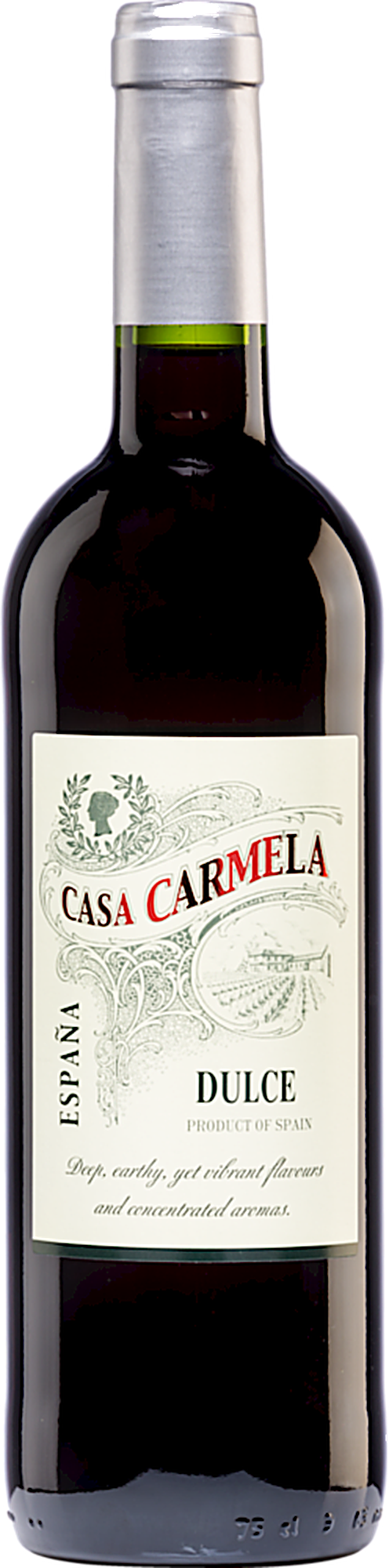
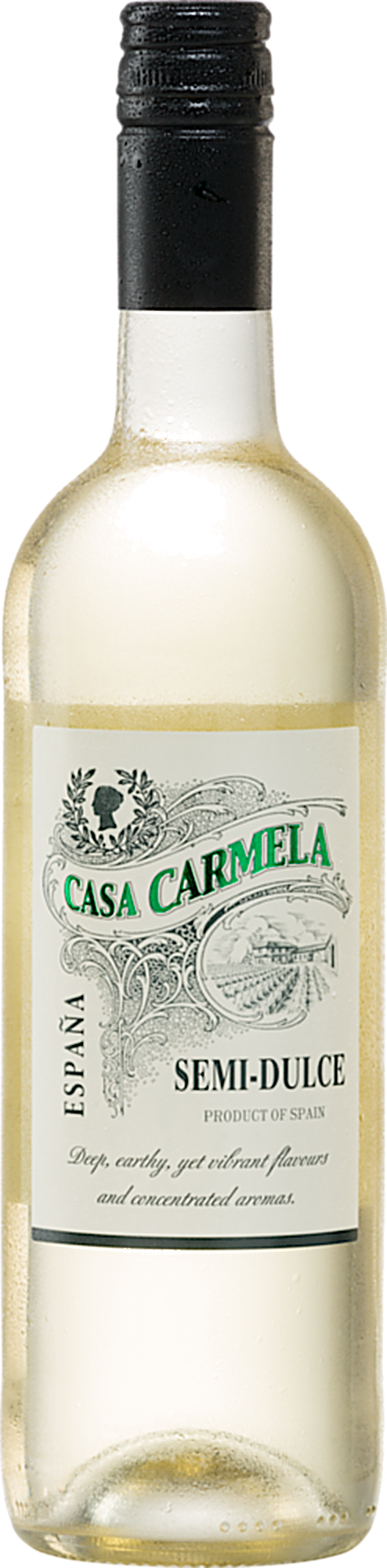
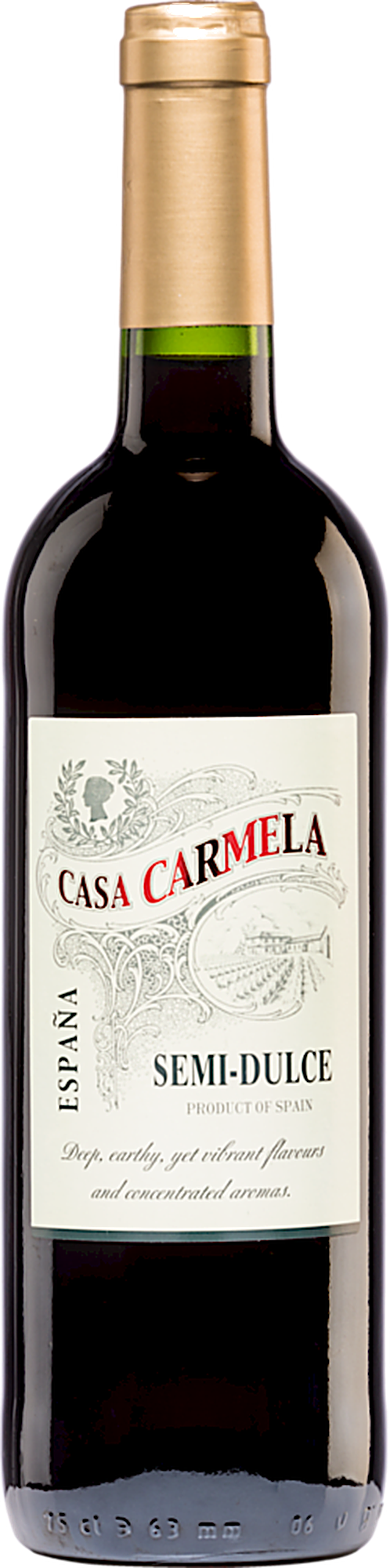
The range spans a wide spectrum: from accessible young wines like the Hécula — Monastrell from old, non-irrigated vines — to the sweet styles of the Casa Carmela line (Dulce Tinto, Semi-Dulce Tinto, Semi-Dulce Blanco), and up to more full-bodied barrique cuvées in which Monastrell is combined with Garnacha Tintorera or Syrah. The white wines focus on Macabeo and Chardonnay. Serving recommendation for the red wines: 16–18 °C, with lamb ragout, grilled Iberico meat, or spicy stew dishes from Murcian cuisine.