





















































Save
Go to wishlist

Save
Go to wishlist
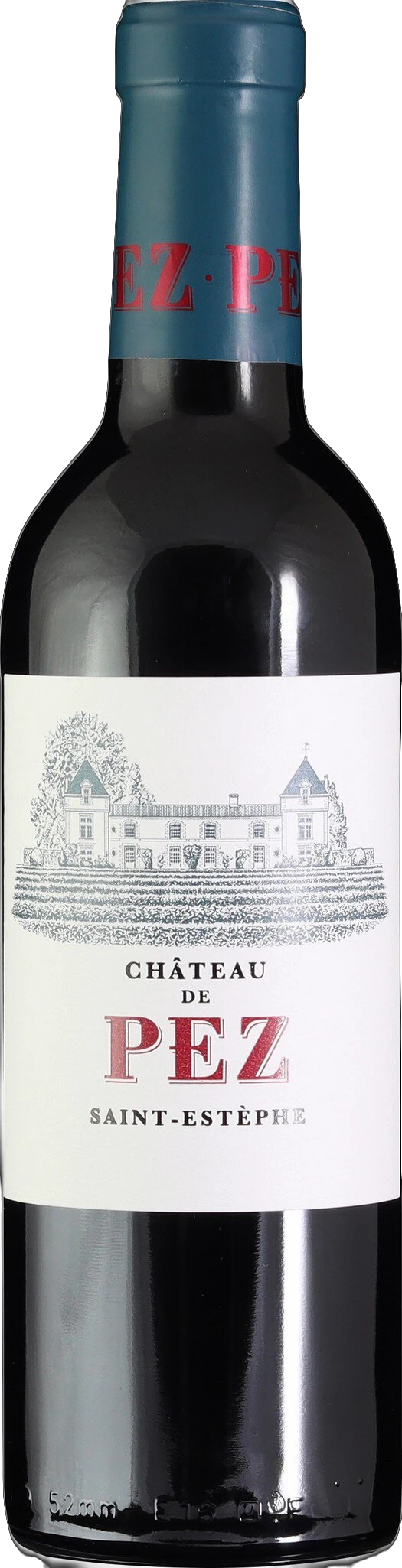
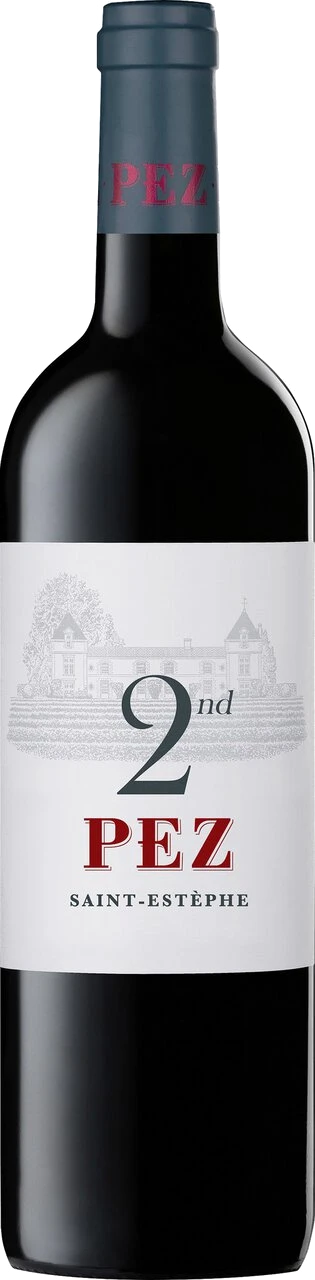
Château de Pez AC Saint-Estèphe 0.375L
Try these instead
Similar in style · ready to ship
– / –
- Free shipping from 99 €
- 14-day right of withdrawal, return without giving a reason
Château de Pez AC Saint-Estèphe 0.375L
Sale price24,90 € (66,40 €/l)
Château de Pez AC Saint-Estèphe 0.375L
A classic Bordeaux from the left bank of the Gironde, dry and bottled in a handy half-bottle with 0.375 liters: ideal if you want to open a Saint-Estèphe for two in the evening without emptying a whole bottle.
Château de Pez is located in Saint-Estèphe, the northernmost of the large Haut-Médoc communes. The winery has long been one of the well-known names of the appellation. Saint-Estèphe stands for powerful, structured red wines on gravelly-loamy soils, where Cabernet Sauvignon and Merlot set the tone.
Typical for the appellation are dark berry fruit such as blackcurrant and blackberry, plus spicy notes of cedar wood and graphite. On the palate, you can expect a firm tannin structure and a taut, dry line; the finish is spicy and persistent.
We recommend the wine at 16 to 18 °C, ideally decanted a little before serving. It goes with grilled entrecôte, rack of lamb with rosemary or aged hard cheese such as Comté.
Country of origin
France
Region
Saint-Estèphe
Wine color
Red Wine
Vintage
2021
Alcohol content
13 % Vol.
Closure type
Natural cork?
Bottle shape
Bordeaux
Bottle size
0,38 l
Legal & trade information

The Château
Château de Pez is one of the reliable addresses in the Médoc – a winery that does not shine with a loud appearance, but with consistency. The wines come from Saint-Estèphe, one of the northernmost appellations of the Médoc, known for its clay-rich soils and the associated structure in the wines.
Cabernet Sauvignon forms the backbone, supplemented by Merlot and small proportions of Petit Verdot. The result: red wines with weight, dark fruit, and a tannin structure that shows substance without being overwhelming. Typical Saint-Estèphe – serious, but accessible.
Reimschateaudepez.com
More from Château de Pez
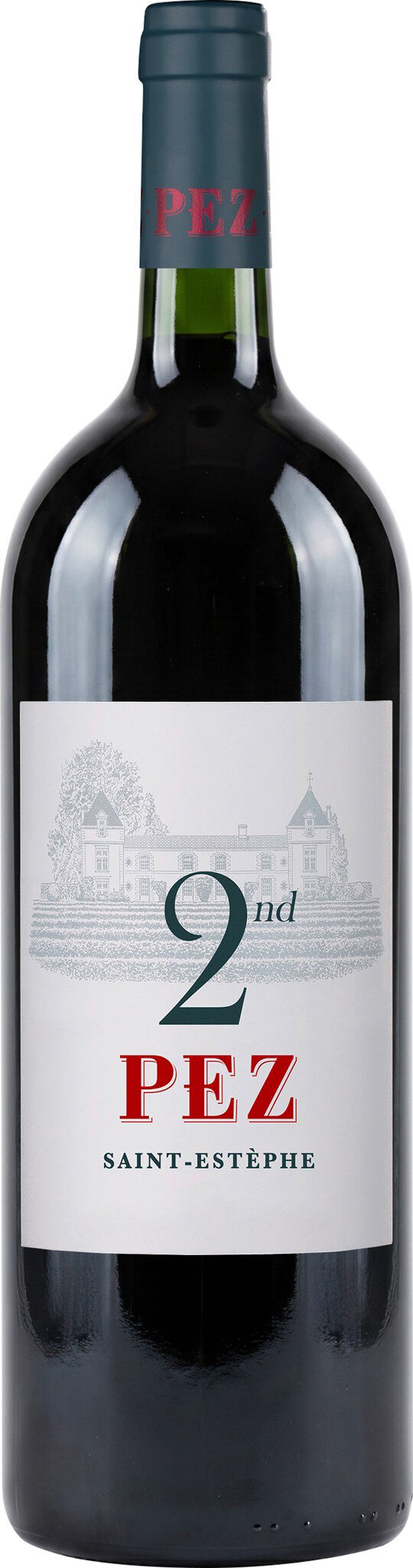

Château de Pez AC Saint-Estèphe 3.0L 2020
Elegant & complex

Alternatives

Only Good News!
Promised!
Only Good News!
Promised!
our best discounts
exclusive insider tips
personal recommendations
invitations to events
New features
![Row above the wines with the “Our picks” button open and three Super Tuscans]() All shop news
Find the right wine faster – with our picks

You can now find the right wine faster. Above the wines in every category there is one row that brings it all together: Our picks, Occasion, Goes with, Wine style, Filters and Sort by.

- Our picks. The "Our picks" button comes first. Choose "Great value" to see wines that deliver more than their price suggests. Some of them have been recognised by Falstaff and other critics for exactly that, the others we have picked for you.
- Super Tuscans. On the Tuscany page, "Our picks" also takes you to the red cult wines that deliberately broke with the old appellation rules: Tignanello, Ornellaia, Sassicaia, Le Volte, Guado al Tasso and many more, from the first step up to large formats.
- One tap, one choice. Tap "Occasion", "Goes with" or "Wine style" and pick what you are looking for, such as "Aperitif & spritz" or "Fish". The button then shows what is currently selected.
- Everything at a glance. Whatever you have selected appears right below. Tap the cross to remove it, or "Clear all" to remove everything at once.
- Always at hand on your phone. The row stays at the top while you scroll, so you can change filters and sorting without scrolling back up.
- Bought before. When you are logged in, the "Bought before" switch shows which wines in the category you have already bought from us, online or in the shop. Handy when you want to find a favourite again.