From a single idea: How a collective redefined Roussillon in 1964
In the early 1960s, a handful of winemakers in the Pyrénées-Orientales department shared a conviction that can be summarized in a few words: The collective is stronger than the strongest individual within it. Based on this attitude, they founded Vignerons Catalans in Perpignan in 1964 — a cooperative with the declared goal of making the wines of Roussillon known in France and throughout the world. What began modestly grew over decades into one of the most significant cooperative structures in Southern France: Today, six wine cooperatives from the Pyrénées-Orientales — including Vignerons de Baixas, Côtes d'Agly, Laure de Nyls, Trémoine, Terres Plurielles, and Terrassous — bundle their work under this umbrella. Together, they represent around 2,500 winemakers and more than 10,000 hectares of vineyards, the harvest of which is exported worldwide: to Europe, the USA, Japan, and China. Since autumn 2022, the company has operated under the name VICA, Vignes Coopératives — a step that gives the grown identity a new look without erasing 60 years of history.
Terroir as a common language: Soils, sites, and collective craftsmanship
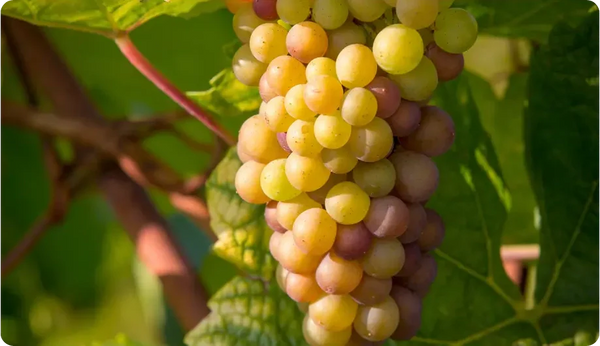
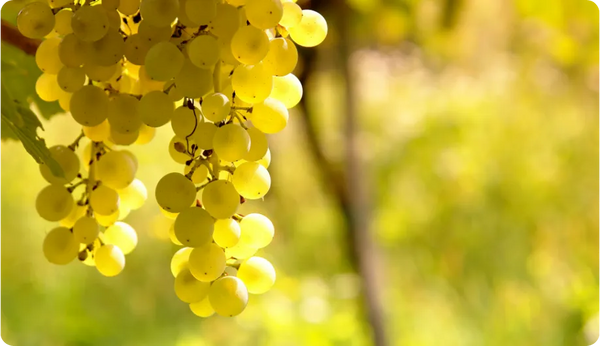
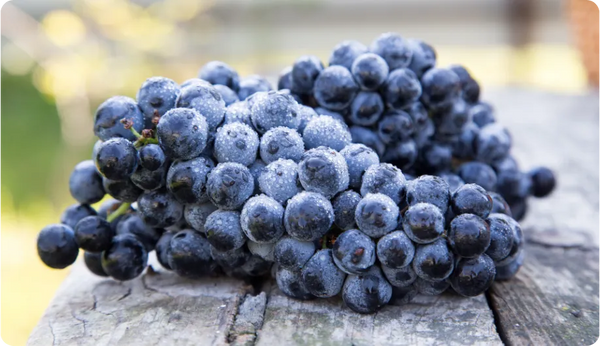
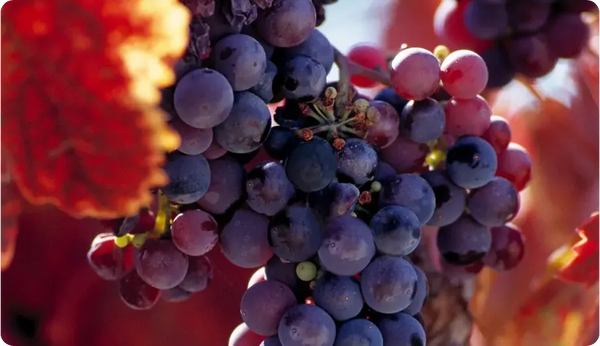
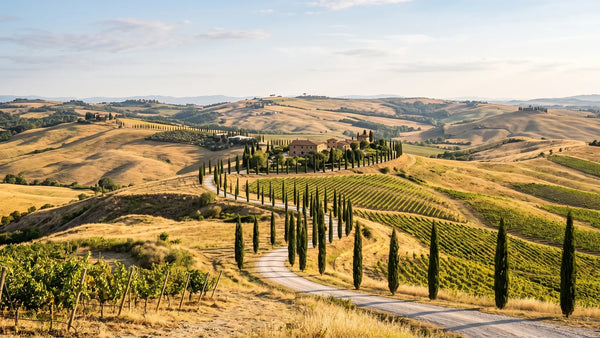
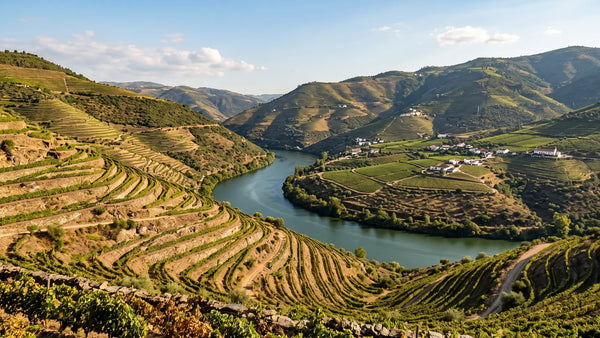
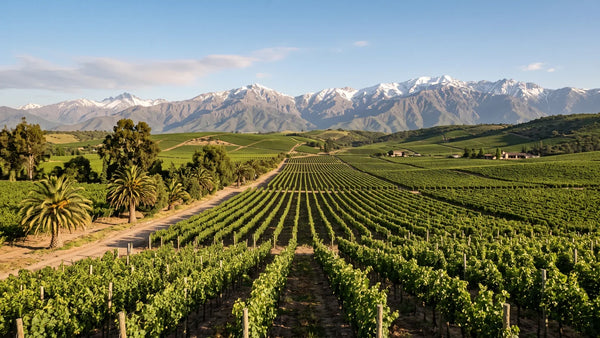
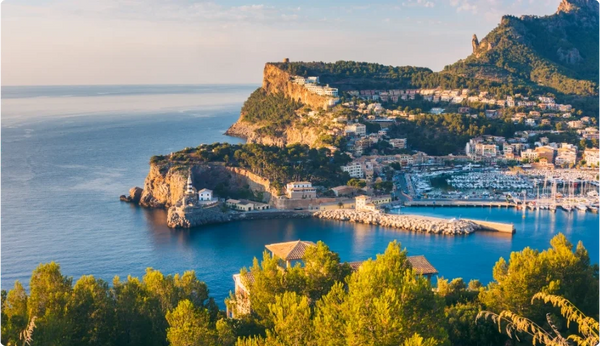
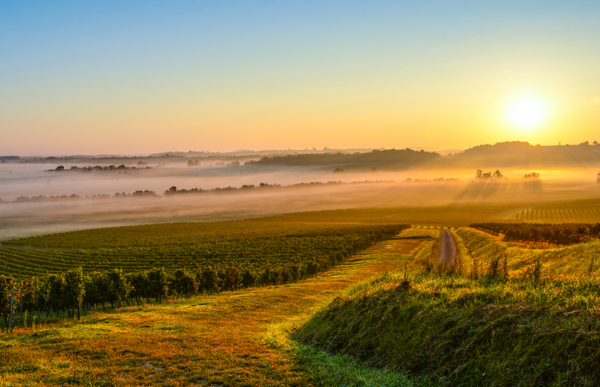
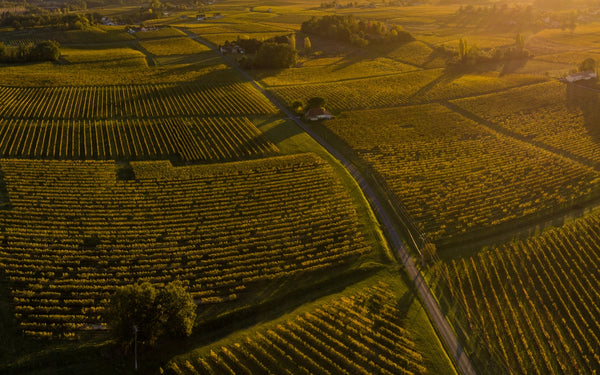
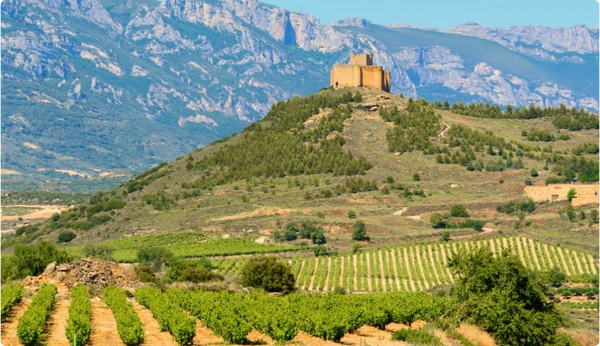
Roussillon is a natural theater: with the last foothills of the Pyrenees at its back and the Mediterranean in front. The vineyards of Vignerons Catalans stretch from the Spanish border to the Étang de Leucate north of Perpignan — an arc of rugged hills, stony plateaus, and old terraces. The geological diversity is extraordinary: slate and black slate, granite on the high plateau of Lesquerde at an altitude of 350 meters, clay-limestone soils in the Tautavel Valley. Notes of salt and minerality flow from this mosaic into the wines, repeatedly broken by maritime influences and the coolness of the mountain air. The grape varieties follow the Catalan tradition: Grenache Noir, Grenache Gris, and Grenache Blanc as the leading varieties, supplemented by Carignan, Syrah, Mourvèdre, as well as Muscat à Petits Grains and Muscat d'Alexandrie. In the cellar, the cooperative relies on collective quality discipline — from vineyard maintenance to bottling. Organically produced wines without added sulfites have become a separate segment in the range.
Crus, icons, style: What characterizes the wines of Vignerons Catalans
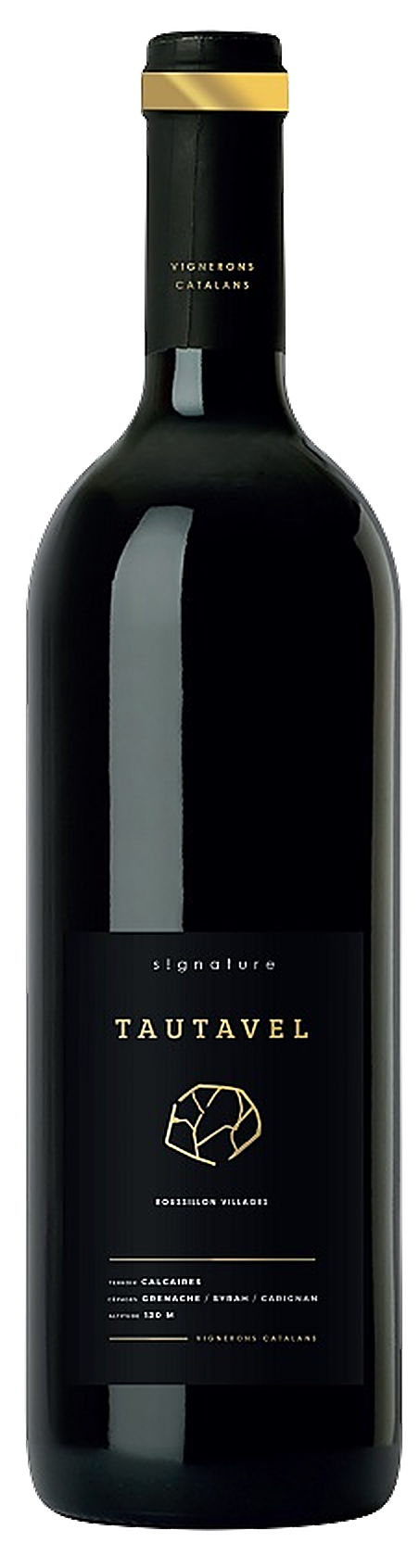
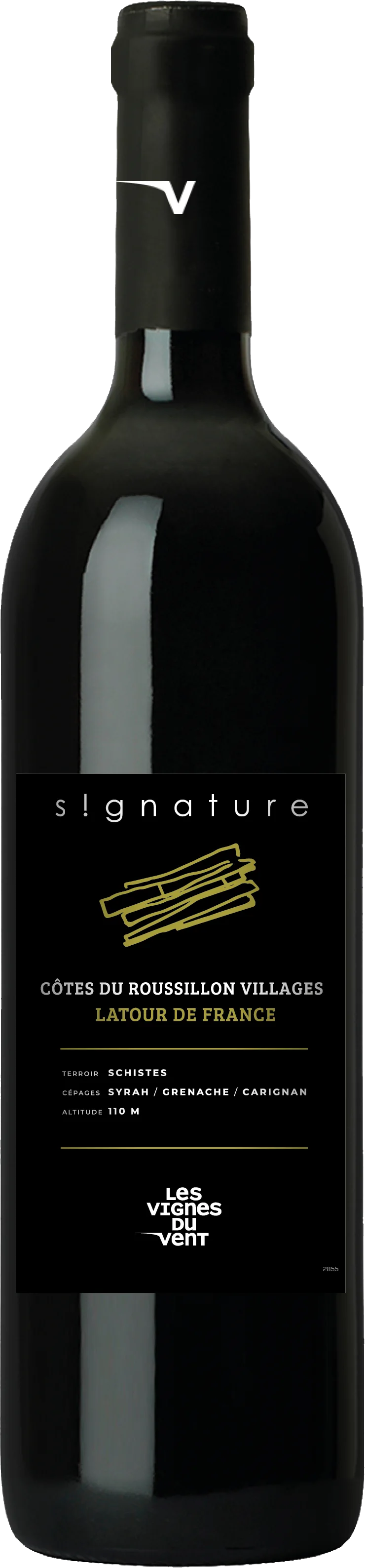
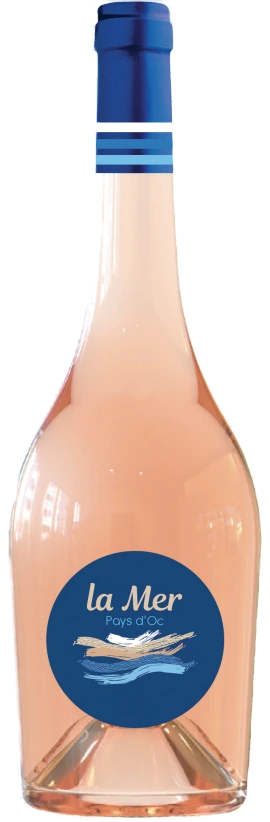
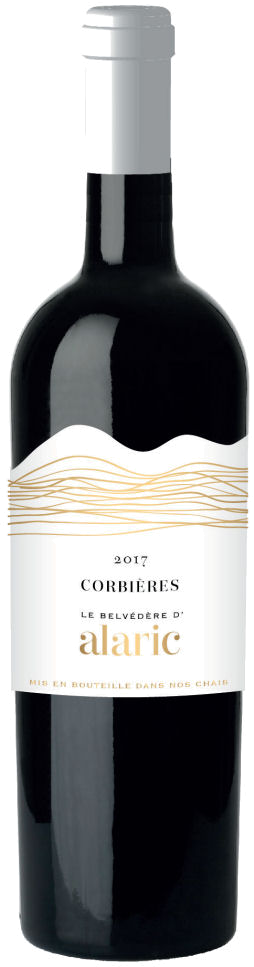
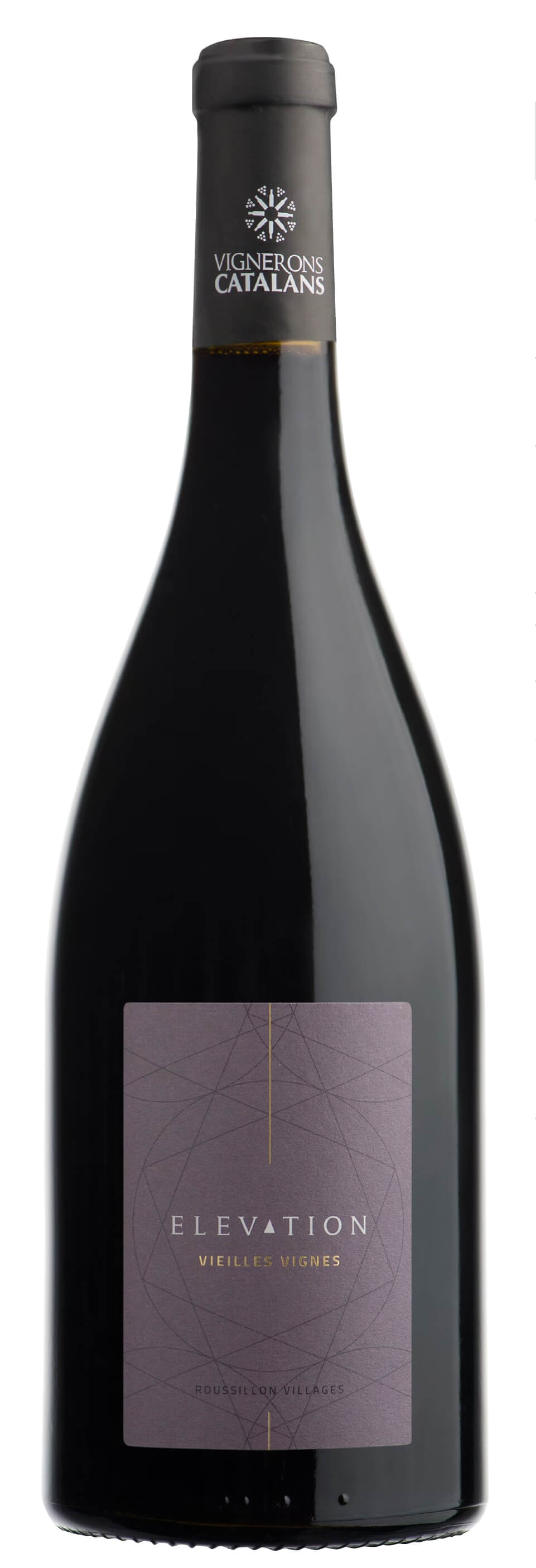
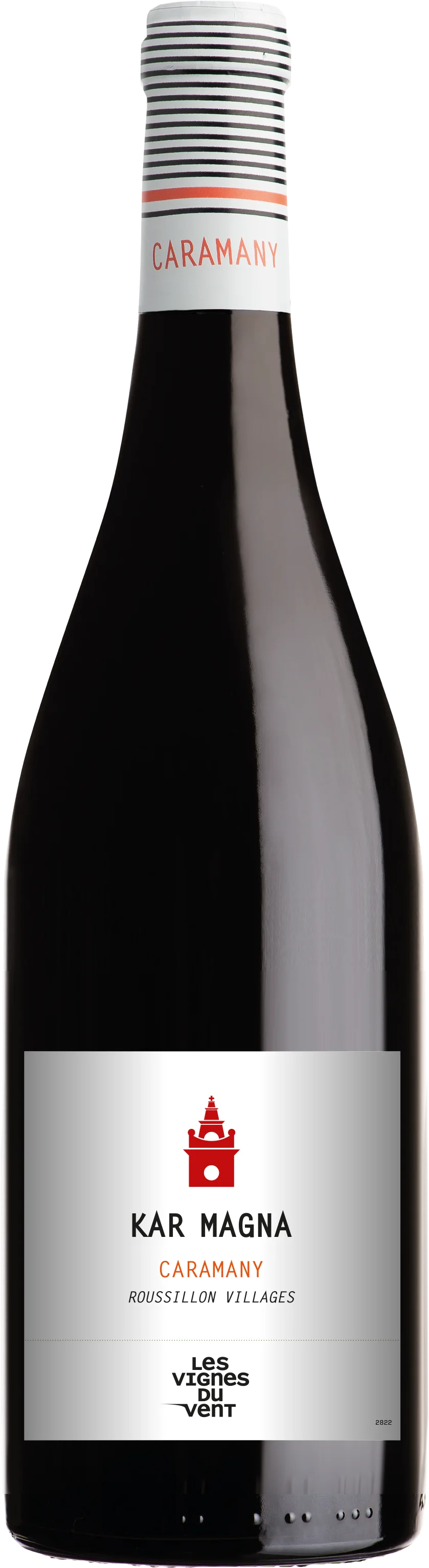
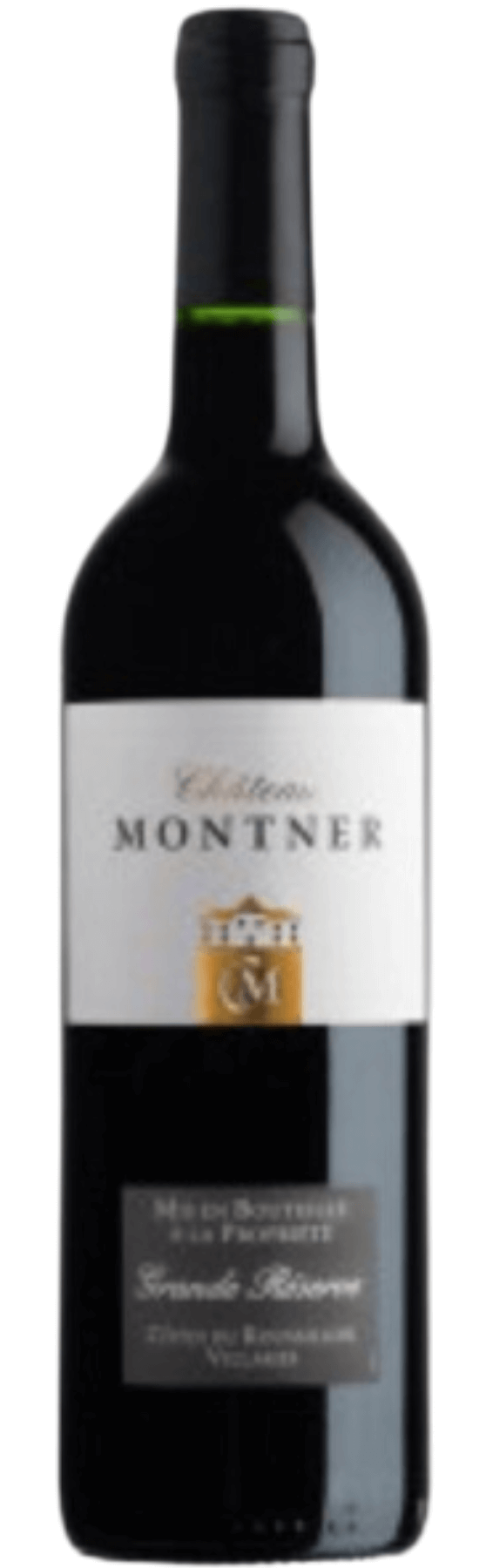
The range is structured according to terroir and level of ambition. The Terroir line forms the backbone: wines from the named protected sites of Tautavel, Latour de France, Lesquerde, and Caramany under the AOP Côtes du Roussillon Villages — each with an independent flavor profile that directly reflects soil composition and microclimate. Grenache, Syrah, and Carignan, grown on slate and clay-limestone soils, result in red wines with dark fruit, fine tannins, and a long finish characterized by the minerality of the subsoil. Above this is the Icon line with cuvées like Kar Magna or Élévation Vieilles Vignes — wines that rely on old vines and careful selection. With Château Montner, Signature Tautavel, and Signature Latour de France, the cooperative shows that cooperative work and appellation depth are not a contradiction. The Rosé La Mer and the Corbières Le Belvédère d'Alaric expand the spectrum to the north and into lighter styles. All wines share a standard that has applied since 1964: to bring the character of an extraordinary territory into the bottle — without detours.