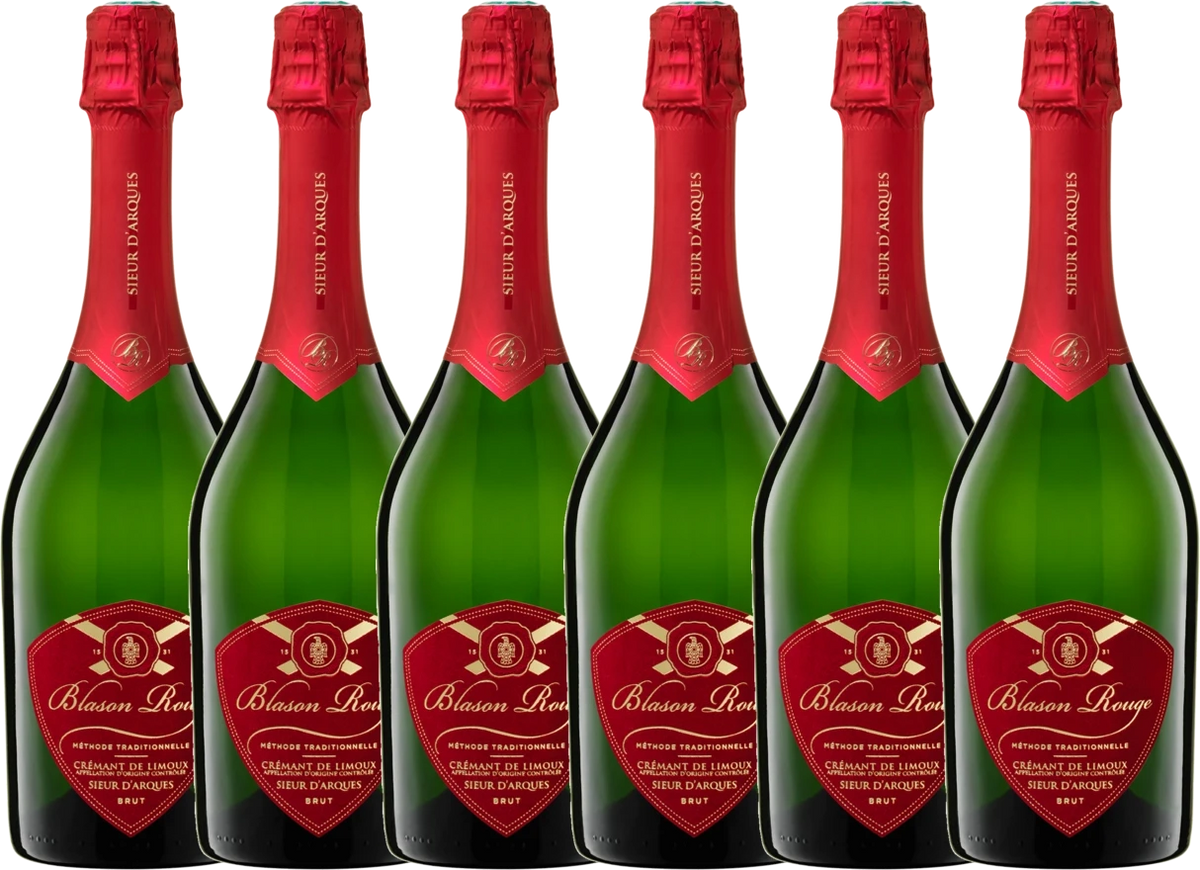
From the monk's cellar to the cooperative: 1531 and the birth of sparkling wine
The history of Sieur d'Arques does not begin in 1946, when the cooperative was officially founded under the name Société des Producteurs de Blanquette de Limoux — it begins a good four centuries earlier. In 1531, Benedictine monks at the Abbaye de Saint-Hilaire near Limoux observed bubbles forming in a wine that was still fermenting. This moment is considered the first documented origin of a sparkling wine ever, well before Champagne. The name the cooperative adopted in 1990 is in honor of a local nobleman, the Sieur d'Arques, who was known for his preference for Blanquette and was a passionate admirer of the bottled wines from the region.
What began in 1946 with the merger of winegrowing families from the Aude Valley is today one of France's most significant sparkling wine cooperatives outside of Champagne. Around 195 member winemakers jointly cultivate a vineyard area of over 1,570 hectares — spread across the entire Limoux appellation, one of the westernmost in the Languedoc.
Four terroirs, one climate triangle: How Limoux gives its wines freshness
Limoux lies at a climatic intersection that is unparalleled in the Languedoc. Mediterranean warmth and Atlantic humidity meet cool air from the nearby Pyrenees — the result is a natural freshness that gives the wines tension and length. Sieur d'Arques has divided this mosaic into four clearly defined terroirs: Méditerranéen, Océanique, Autan and Haute Vallée, each with its own ripening rhythm, soil profile, and characteristics.
Since 2007, the cooperative has been pursuing a clearly defined sustainability course. Already nearly 80% of the vineyard areas carry the Haute Valeur Environnementale (HVE) certification, one of the strictest environmental standards in French agriculture; the goal is full certification for all member estates. Social commitment is part of their self-image: Through the annual Toques & Clochers auction, where Chardonnay barrels from the four terroirs are auctioned off, more than one million euros have been raised so far for the restoration of village church towers in the region.
Blanquette, Crémant and Chardonnay: the range at a glance
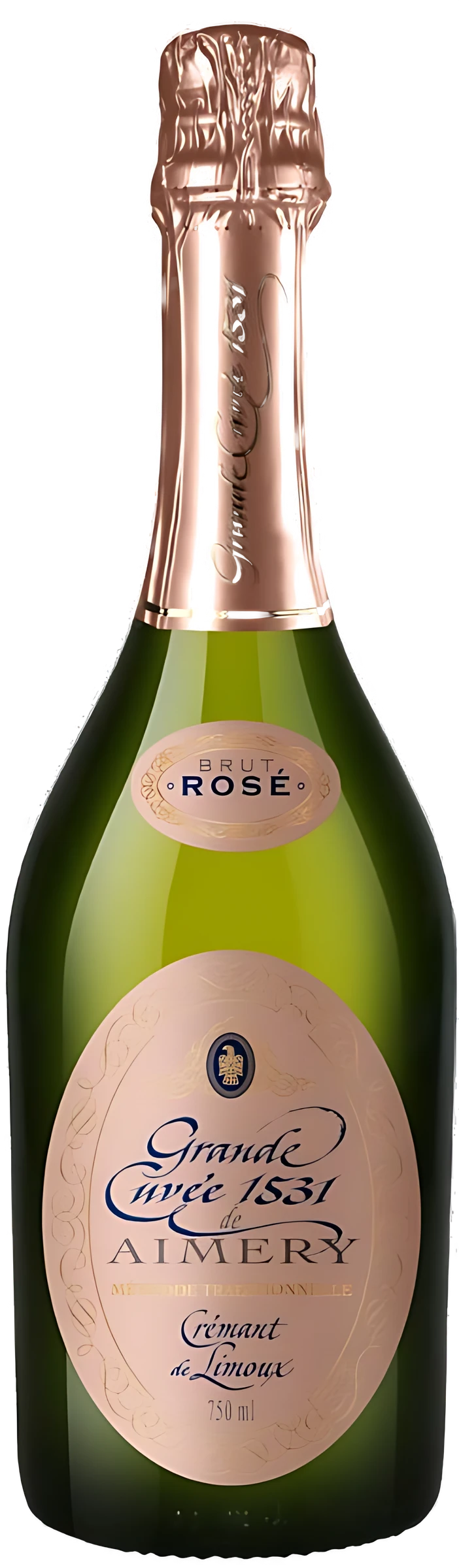
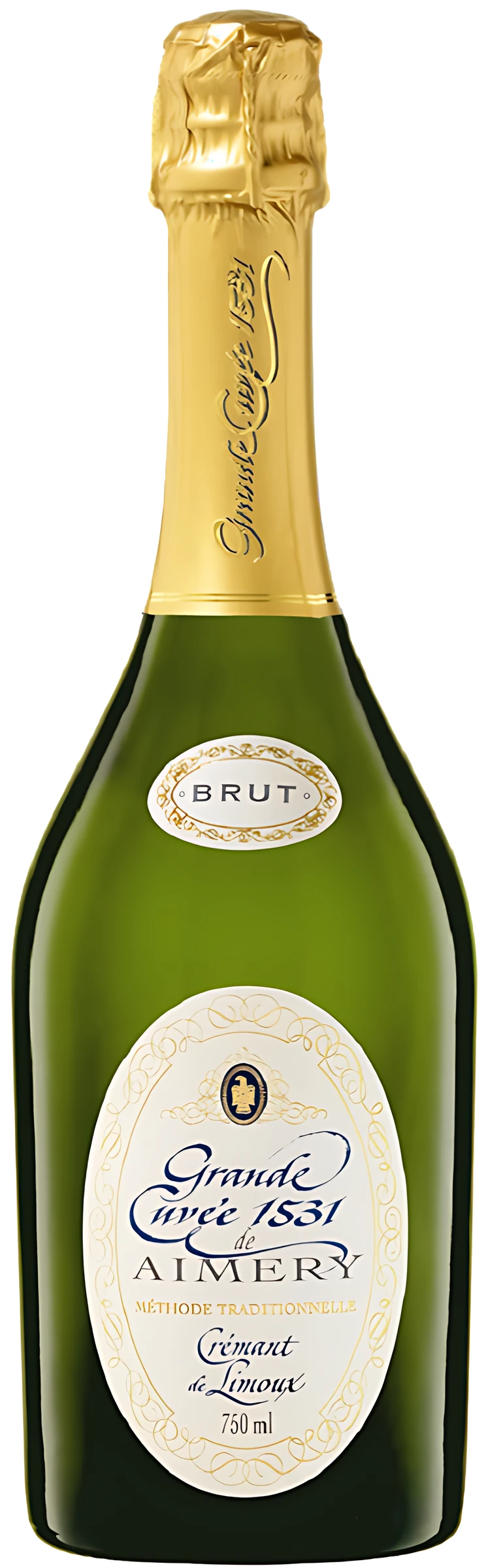
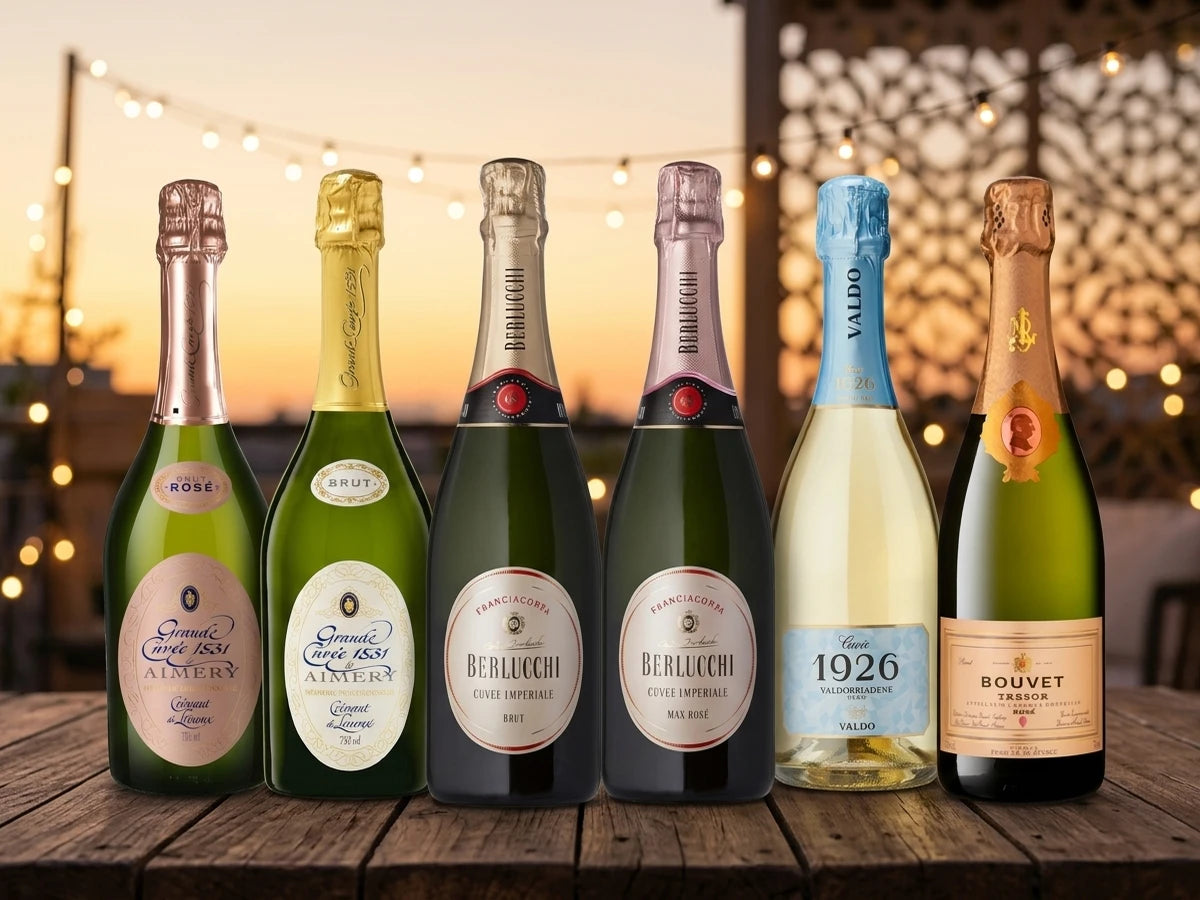
The heart of the range is the sparkling wines of the Limoux appellation in their three historical forms: the Blanquette de Limoux based on the indigenous Mauzac grape, the more elegant Crémant de Limoux — Chardonnay-dominated, with portions of Chenin Blanc and Pinot Noir, vinified using the traditional bottle fermentation method — as well as the sweetish, light Méthode Ancestrale made from 100% Mauzac without dosage. The cuvées of the Grand Cuvée 1531 de Aimery line, named after the founding year of the sparkling wine tradition, stand for fine perlage, clear citrus structure, and the cool freshness of the Limoux terroir — whether as a classic Brut or as a Rosé with a delicate berry fruit tone.
For lovers of still wines, the Toques & Clochers series shows what Chardonnay is capable of in Limoux: Four separate cuvées, each exclusively assigned to one of the four terroirs and marketed under its name, make the climatic and geological differences of the appellation directly experienceable in the glass. The wines are served at 8–10 °C and accompany fish dishes, oysters, and mature goat cheeses just as confidently as a simple aperitif before dinner.