The Baron of the Barossa: How a handshake saved a region
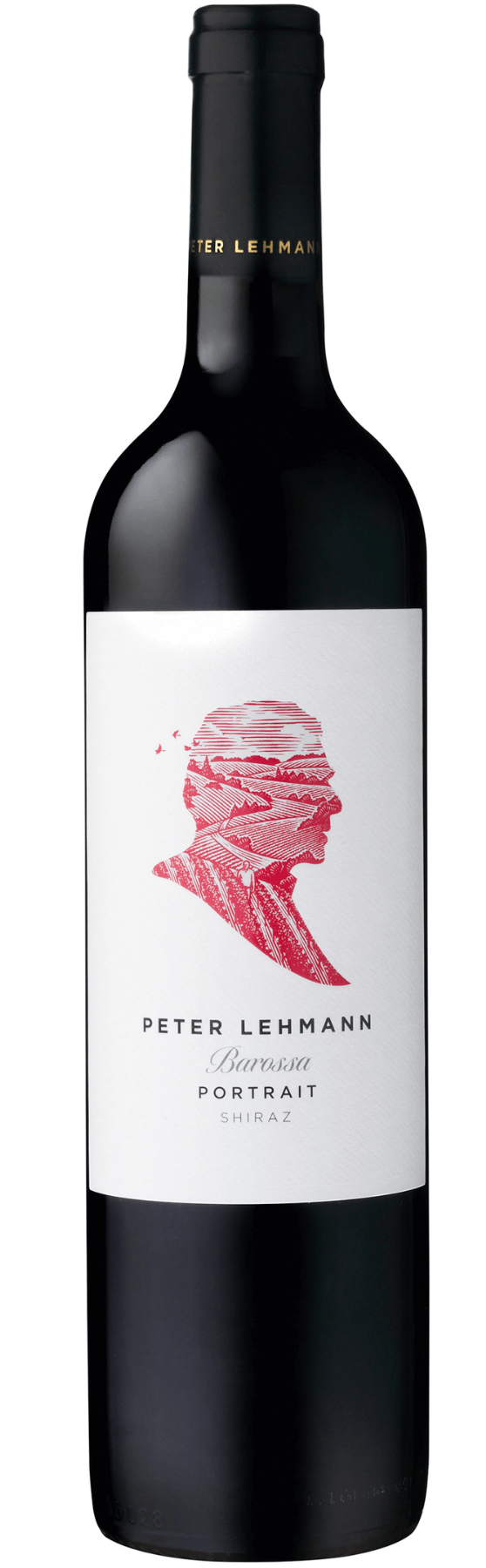
Peter Lehmann was born in 1930 in Angaston in the Barossa Valley – a descendant of one of the region's first settler families, with roots going back five generations. After stints at Yalumba and Saltram Wines, where he worked as a cellar master, he faced a decision in the late 1970s that would permanently shape the Barossa Valley. When his employer at the time refused to buy any more grapes from the region's independent family farms during a severe overproduction crisis, Lehmann founded his own winery without further ado in 1979 – with the declared goal of taking the harvest from these winegrower families and securing their livelihoods. He consistently christened the first 1980 vintage "The Futures": he paid the growers as soon as the wine was sold and sealed this promise with a handshake. This act is still considered one of the reasons why the Barossa Valley still possesses historically old vines today. Peter Lehmann passed away in 2013; in 2014, Casella Family Brands took over the winery and renewed the promise to Margaret Lehmann to continue the partnership with the family farms.
Handshake philosophy: Grower relationships instead of estate viticulture
The model that Lehmann once developed out of necessity is now the winery's basic principle: cooperation with around 79 winegrower families from 16 sites in the Barossa Valley, who work together under the certified Sustainable Winegrowing Australia (SWA) program. The winery itself owns comparatively little vineyard area; access to old, often over 100-year-old vines on sandy to red clay soils is gained through these long-standing relationships of trust. Cellar master Brett Schutz and his team process the grapes – depending on the style – with open fermentation for deep-colored red wines, with the use of American and French oak barrels, and, in selected cases, with wild yeasts. Premium bottlings mature for up to two years in the barrel before they leave the cellar. The Mediterranean climate of the Barossa – hot summers, cool winters – ensures slowly and evenly ripening grapes with high concentration.
Shiraz as the centerpiece, Stonewell as the benchmark
The range spans from the accessible Barossa Shiraz and Cabernet Sauvignon to the prestige wine Stonewell Shiraz, whose history began in 1987. For the Stonewell, only grapes from low-yield sites in the Barossa district of Stonewell of the same name are selected – concentrated berries that Lehmann himself described as the essence of Barossa Shiraz. Alongside this is the Eight Songs line, inspired by Peter Lehmann's passion for the arts, as well as the broader Barossa portfolio with Shiraz, Cabernet Sauvignon, Sémillon, and Riesling. The Hill & Valley series sources grapes from the cooler sites of the Adelaide Hills and the Eden Valley and shows the stylistic range beyond the Barossa floor. What all wines have in common is the founder's aspiration: wines that clearly depict their place of origin – no international appeal, but the unmistakable character of the Barossa.