From the merchant family to the Maison: four generations on the Loire
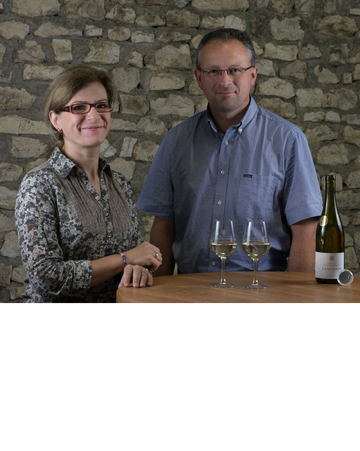
The Jolivets came into contact with wine in 1926, when Louis and Lucien Jolivet worked as cellar masters at Château de Tracy and founded a small trading company that selected and bottled wines from the Sancerre region. Pascal Jolivet, the fourth generation of the family, took the decisive step in 1987: he founded a brand under his own name — initially without his own vineyard, but with a clear stylistic vision. At the urging of his father Jacques, he acquired six hectares from relatives in Bué-en-Sancerre in 1993, on sites such as Le Chêne Marchand and Le Grand Chemarin — the foundation of Domaine Pascal Jolivet. Two years later, the first 6.5 hectares of Pouilly-Fumé in Tracy-sur-Loire followed. The winery has grown consistently since then: today it comprises 120 hectares in the Sancerre and Pouilly-Fumé appellations as well as another 60 hectares in the Touraine for the entry-level Attitude line.
Biodynamics, indigenous yeasts, and the courage for a counter-design
As early as 1990, when Pascal Jolivet did not yet own his own vines, he invested in a new cellar in Sancerre — equipped with temperature-controlled stainless steel tanks modeled after the great Champagne houses he knew well. What was considered radical in the Sancerrois at the time is now his trademark: vinification exclusively with indigenous yeasts, no use of enzymes or fining agents, slow fermentation, consistent lees aging for concentration and complexity — with minimal sulfur use. In 2001, a gravity cellar complemented the ensemble, allowing the grapes gentle paths from reception to bottling.
In 2013, the Italian oenologist Valentina Buoso took over from Jean-Luc Soty, who had shaped the house for 22 years. Buoso, with experience in Italy, California, Oregon, Chile, Australia, and New Zealand, shares Pascal's conviction: the terroir should speak, and the human in the cellar should intervene as little as possible. Since 2016, Pascal Jolivet has been working with the Dauny family, who have been among the pioneers of viticulture in Sancerre since 1966. Under their management, the vineyards are cultivated biodynamically — a system that understands the business as a living, networked ecosystem.
Mineral, precise, true to variety: Sauvignon Blanc as a benchmark
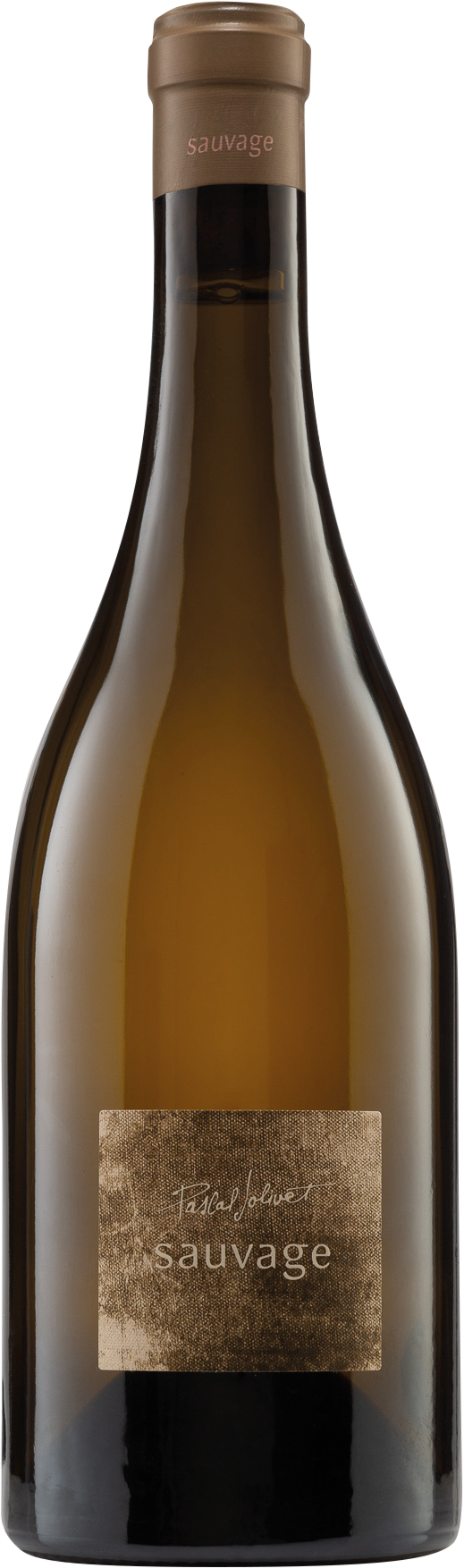
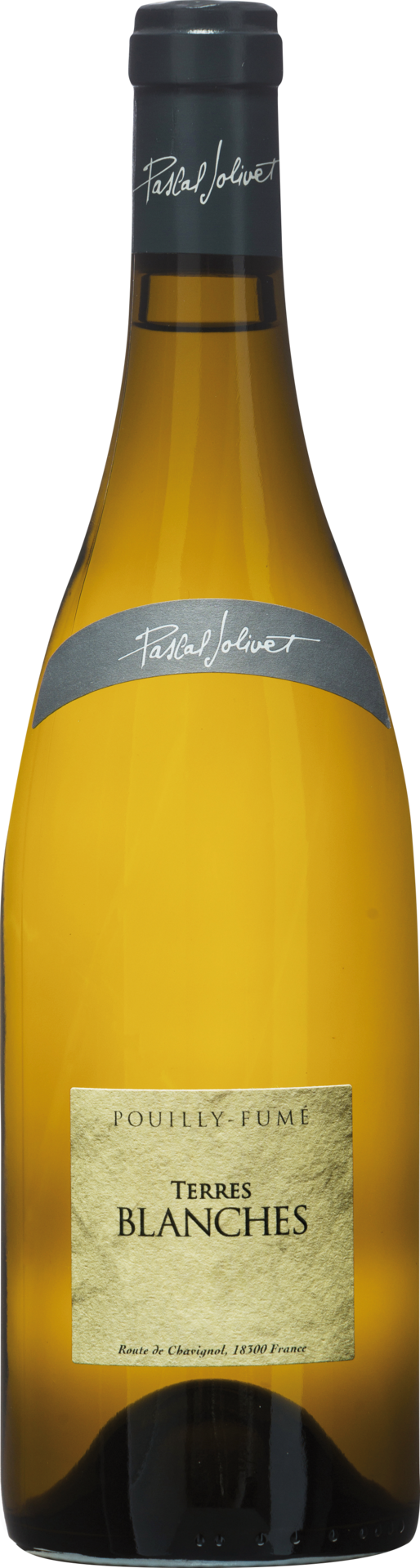
The soils of Sancerre and Pouilly-Fumé — limestone, flint (silex), and clay-limestone — shape the unmistakable character of the wines. Sancerre Les Caillottes stands for the bright, direct pebble minerality of the limestone soil of the same name. Sancerre Sauvage comes from a single vineyard and shows what long lees aging and spontaneous fermentation can get out of Sauvignon Blanc: denser texture, more depth, salty-spicy finish. Pouilly-Fumé Terres Blanches, on the other hand, grows on the characteristic white limestone soils, which give the wine its delicate smokiness and lean acidity structure. The picture is completed by Sancerre Rouge from Pinot Noir as well as the Touraine line Attitude, which interprets Sauvignon Blanc in a more accessible, fruit-forward style. What all wines have in common: no wood aging, no manipulation, the result of a vinification that has been reduced to the essentials for decades.