

Sancerre · France
Domaine Hubert Brochard
Read more Read less
In the heart of Sancerre – where the hills of the Loire sweep towards the horizon in sweeping lines – the Brochard family has been cultivating for generations what makes this appellation so distinctive: Sauvignon Blanc of mineral precision and Pinot Noir with velvety depth.
Hubert Brochard shaped the winery with a keen sense of terroir and craftsmanship. The wines tell the story of the flint and limestone beneath the vines – fresh, vibrant, unmistakably Loire.

Filters
9 products

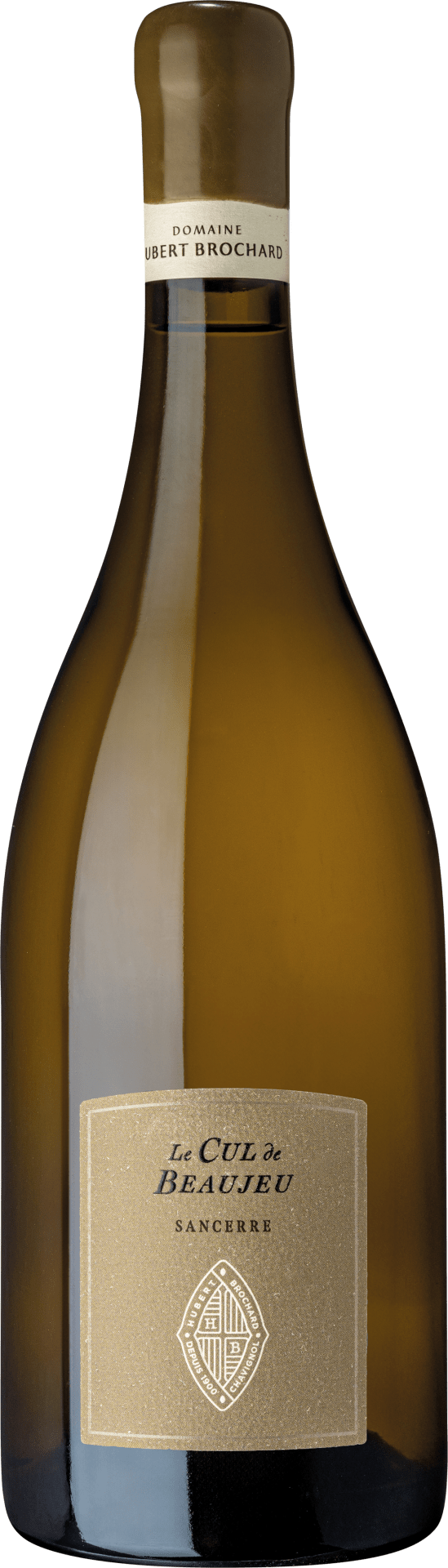

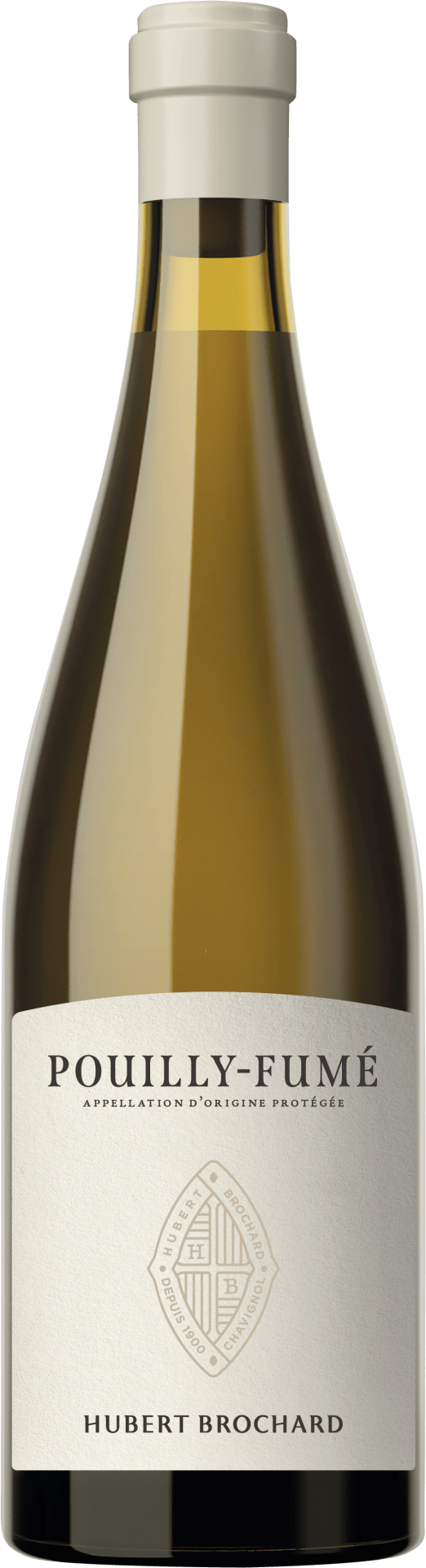
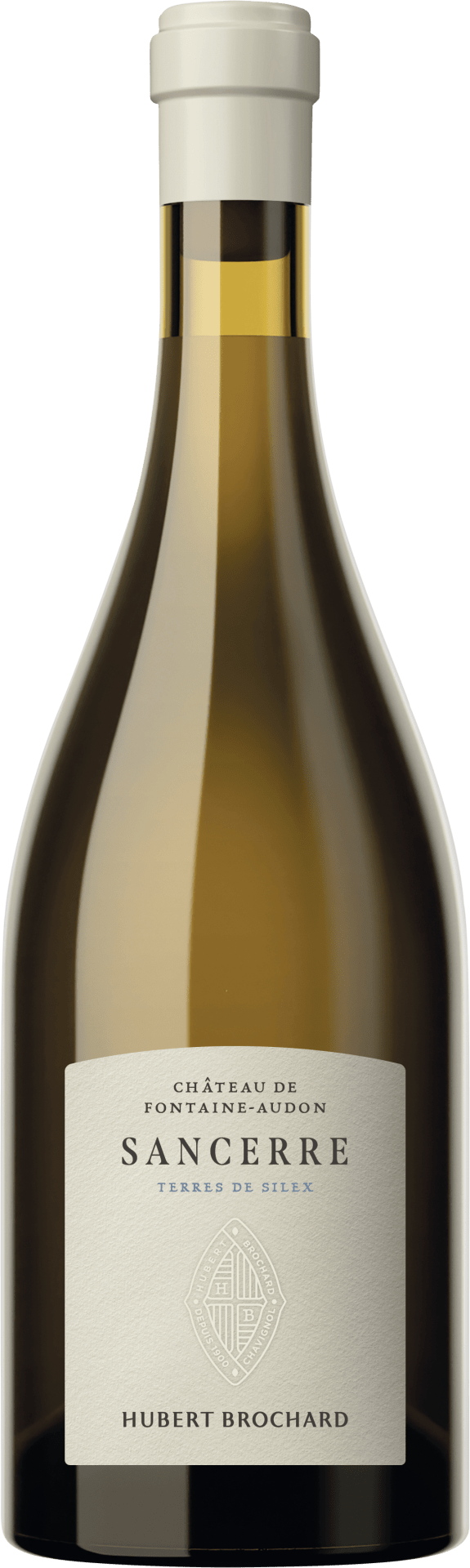
About Domaine Hubert Brochard
More than a century of Sancerre: The roots in Chavignol
Domaine Hubert Brochard is one of the oldest wine businesses in the appellation: Sancerre has been produced here since 1900, founded by Aimée and Hubert Brochard in the heart of Chavignol, a hamlet a few kilometers southwest of the town of Sancerre. At that time, the family still managed a mixed farm — goats, fields, and vines, all by hand. Son Henri and his wife Thérèse expanded the viticulture, and three of their children — Daniel, Jean-François, and Benoît — shaped the Domaine to its current size. Daniel, together with his wife Christiane and daughters Caroline and Anne-Sophie, brought the wines to the international stage. Five generations of family history passed before the Bollinger Group took over the winery in July 2022, opening another chapter. Since then, Chilean cellar master Rodrigo Zamorano, who previously worked for 15 years in large South American wineries, has led the oenological direction of the house.
Parcel thinking instead of uniform wine: Craftsmanship between Silex, limestone, and Caillottes
The Domaine currently manages 89 hectares of Sauvignon Blanc and Pinot Noir, spread across eight of the most famous municipalities of the Sancerre appellation — including Chavignol, Amigny, Saint-Satur, Thauvenay, and Verdigny — as well as additional plots in Pouilly-Fumé. This distribution across three geologically distinct soil types is not a matter of course: in the north around the Château de Fontaine-Audon, Silex (flint) dominates; in the south around the Château de Thauvenay, Kimmeridgian limestone (Terres Blanches); and in the center around Chavignol, the small-stoned Caillottes. At the beginning of his work, Rodrigo Zamorano had detailed geological parcel analyses carried out in order to adapt management and aging according to the soil — from cover cropping and compost to leaf trimming and green harvesting. In the cellar, the parcels are vinified separately in small tanks; the aging follows the individual wine, not a template. For the terroir cuvées of the top sites such as Monts Damnés or Cul de Beaujeu, fermentation in terracotta amphorae and barriques is used in addition to temperature-controlled stainless steel tanks. The entire winery holds the HVE certification (Haute Valeur Environnementale); since 2022, part of the area has also been in organic conversion.
Three soils, one standard: an overview of the range
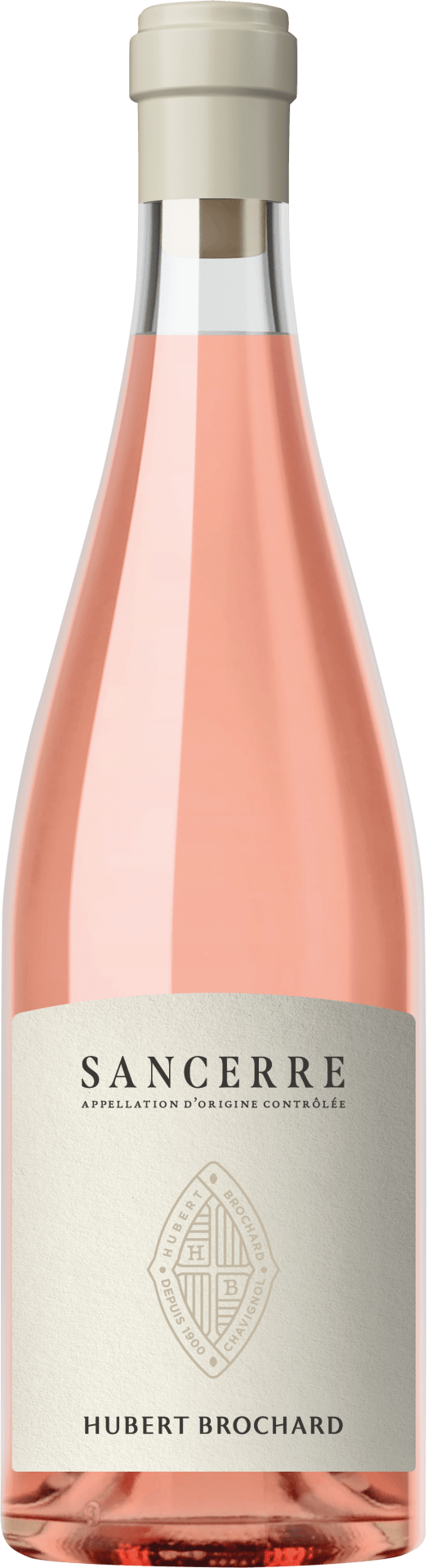
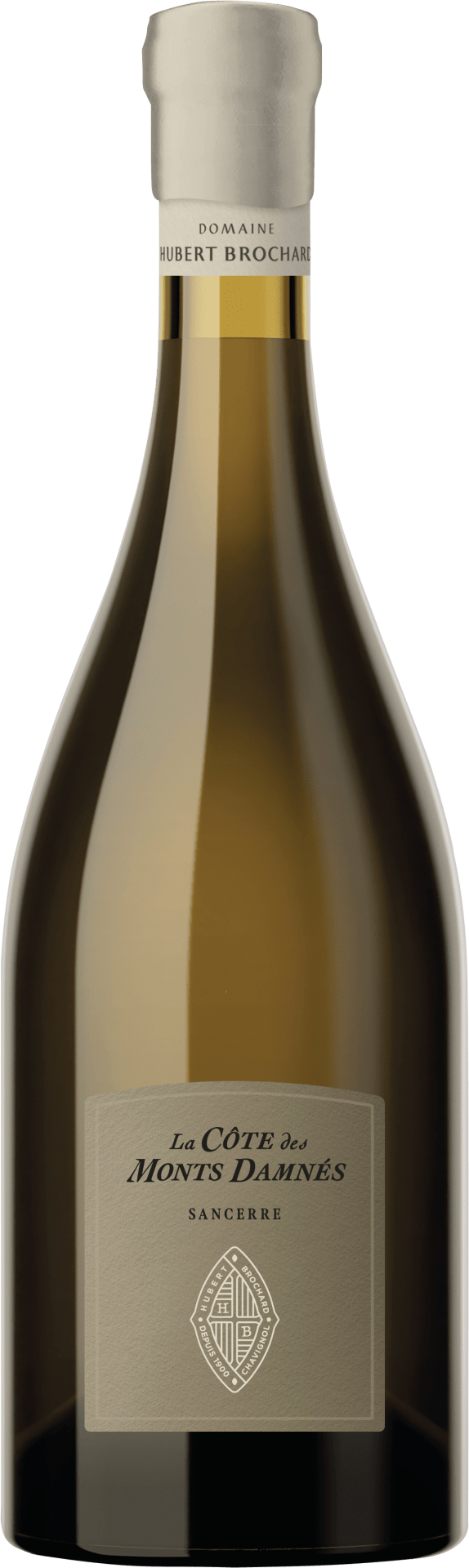
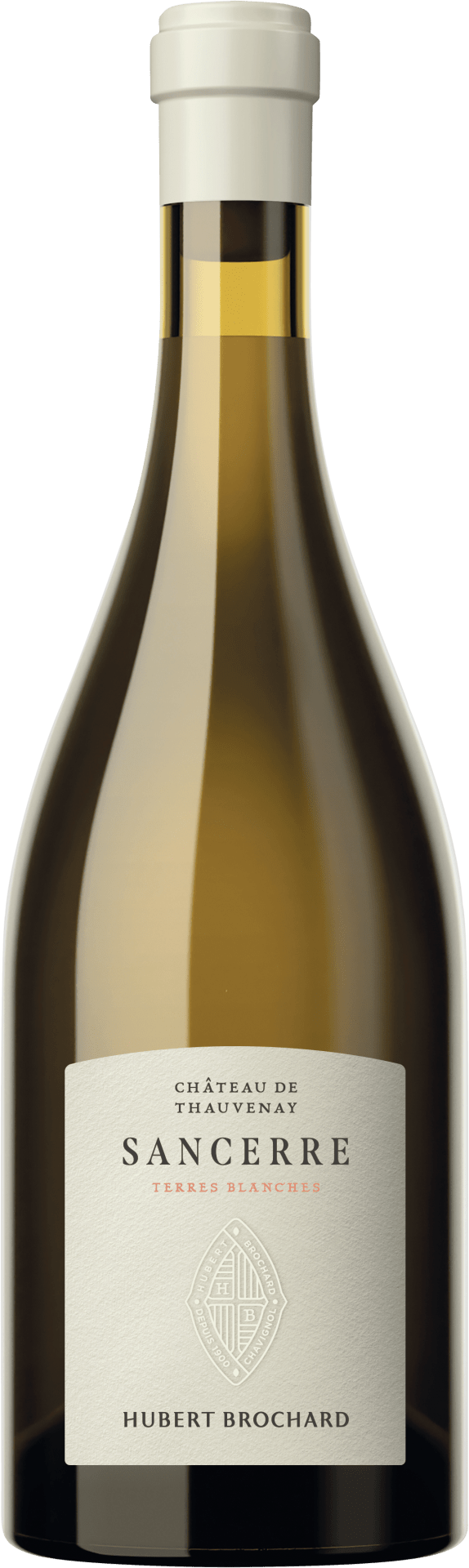
The guiding idea of the house is clear: there is not just one Sancerre — there are as many as there are soils. This is directly reflected in the range: the cuvées are consistently divided by terroir and site. The Château de Fontaine-Audon from Silex sites shows the typical mineral-salty flint note of the northern Sancerre. The Château de Thauvenay from Kimmeridgian limestone brings more volume and roundness. The Caillottes cuvée from Chavignol works with fine aromatics and freshness. The steep-slope wines La Côte des Monts Damnés and Le Cul de Beaujeu — worked exclusively by hand, aged in amphorae and oak — stand for the most complex, age-worthy expression of the house. In addition, there is a Sancerre Rosé made from Pinot Noir as well as wines from Pouilly-Fumé. All site cuvées come from their own parcels with an average vine age of 30 years. The common denominator across the range: aromatic accuracy, lively acidity, and a terroir imprint that remains readable in the glass.

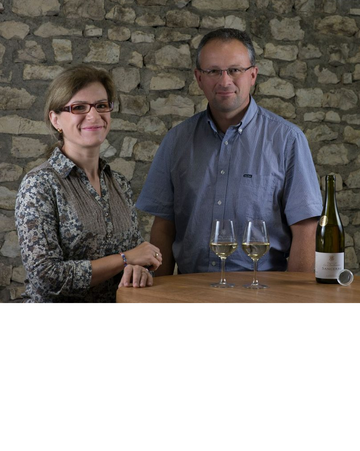
Domaine Hubert Brochard –
Silex and limestone from Sancerre
Domaine Hubert Brochard is located in the heart of the Sancerre appellation, where silex and limestone define the subsoil and give Sauvignon Blanc its characteristic minerality. Hubert Brochard has led the estate for decades with a clear eye for terroir and artisanal care – the vines stand on soils that you can feel in the glass: cool citrus fruit, a hint of white blossom, salty finish.
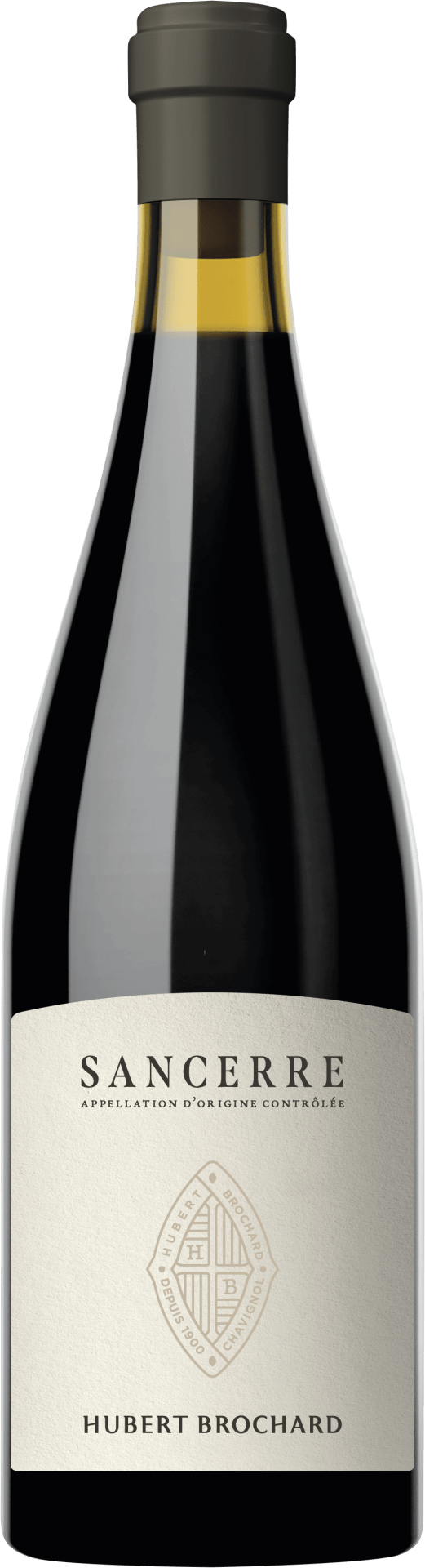
In addition to Sauvignon Blanc, the family also grows Pinot Noir – a red wine that is often underestimated in Sancerre, but which convinces here with fine structure and velvety texture. Both styles follow the same logic: little intervention, much origin. The wines are suitable for goat cheese from the Loire, river trout, or simply as an aperitif on a long summer evening.