From Simon van der Stel to one of the oldest wineries in the Southern Hemisphere
Klein Constantia dates back to 1685, when Simon van der Stel, Governor of the Cape Colony of the Dutch East India Company, chose the slopes of the Constantiaberg for his viticulture project. The original Constantia estate was as large as Amsterdam at the time; after van der Stel's death, the land was divided, and one of the sub-estates became what is known today as Klein Constantia. In the 18th and 19th centuries, the estate's wines achieved European fame: Napoleon Bonaparte had them brought to the island of Saint Helena, Jane Austen mentioned them in her novels, and they found their way into the courts of the European nobility. With the phylloxera crisis of the late 19th century, however, these legendary wines disappeared for almost a century.
The new beginning was heralded in 1980 by Duggie Jooste, who acquired the estate and, together with winemaker Ross Gower, architect Gawie Fagan, and Professor Chris Orffer, undertook a comprehensive reconstruction. The first modern vintage appeared in 1986 and immediately set new standards for South African wine. In 2011, Czech entrepreneur Zdenek Bakala and Charles Harman took over the estate; a year later, the merger with the Stellenbosch winery Anwilka brought the Bordeaux expertise of Bruno Prats and Hubert de Boüard into the shareholder circle.
Terroir as a starting point: granite, ocean wind and minimalist cellar management
Klein Constantia is located on the upper slopes of the Constantiaberg, at altitudes between 70 and 343 meters above sea level, overlooking False Bay. The soils originate from up to 600 million-year-old decomposed granite: deep, fertile Oakleaf soils on the lower slopes, and drier Glenrosa soils with saprolite subsoil higher up. Ocean breezes from the Atlantic and Indian Oceans cool the vineyards and preserve the natural acidity of the grapes, even in the long, dry Cape wine summers.
In the vineyard, cellar master Matthew Day — only the third winemaker since the estate's revival — together with viticulturist Craig Harris, relies on a clear principle: biodiversity and soil health before yield. This includes cover cropping, compost management, the extensive avoidance of herbicides and fungicides, and the use of biodynamic methods. In the cellar, the principle of minimal intervention applies: as little interference as necessary to let the terroir speak. For the Vin de Constance, the Muscat de Frontignan grapes are harvested in up to 26 individual picking passes — from high acidity to completely dried-out berries — then gently pressed and fermented and aged in oak barrels.
Vin de Constance and Sauvignon Blanc: two faces of an extraordinary terroir
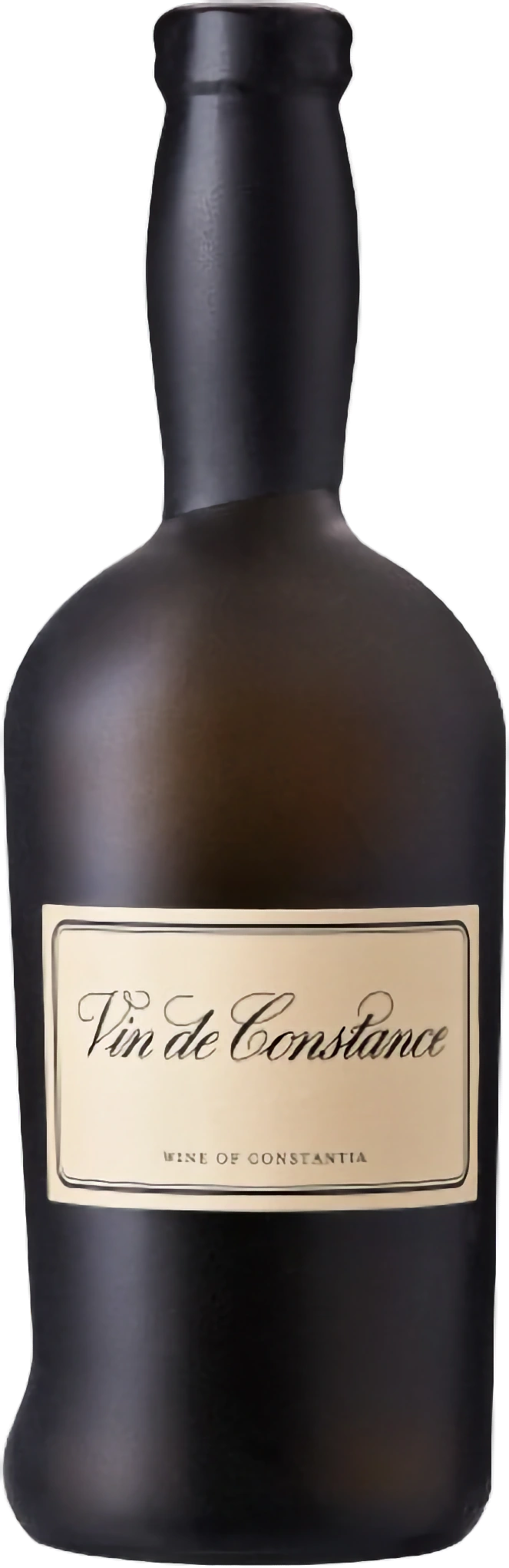
The heart of the range is the Vin de Constance, a naturally sweet wine made from 100% Muscat de Frontignan, which has been one of the most discussed dessert wines worldwide since its rebirth in 1990. The grapes are dried on the vine (passerillage), which concentrates sugar and aromas; aging takes place over several years in a combination of new and used oak barrels. In the glass, it shows aromas of apricot, quince, candied citrus peel, and a hint of honey, carried by an invigorating acidity that gives balance to the sweetness — as a companion to blue cheese, foie gras, or neat as the conclusion of a meal.
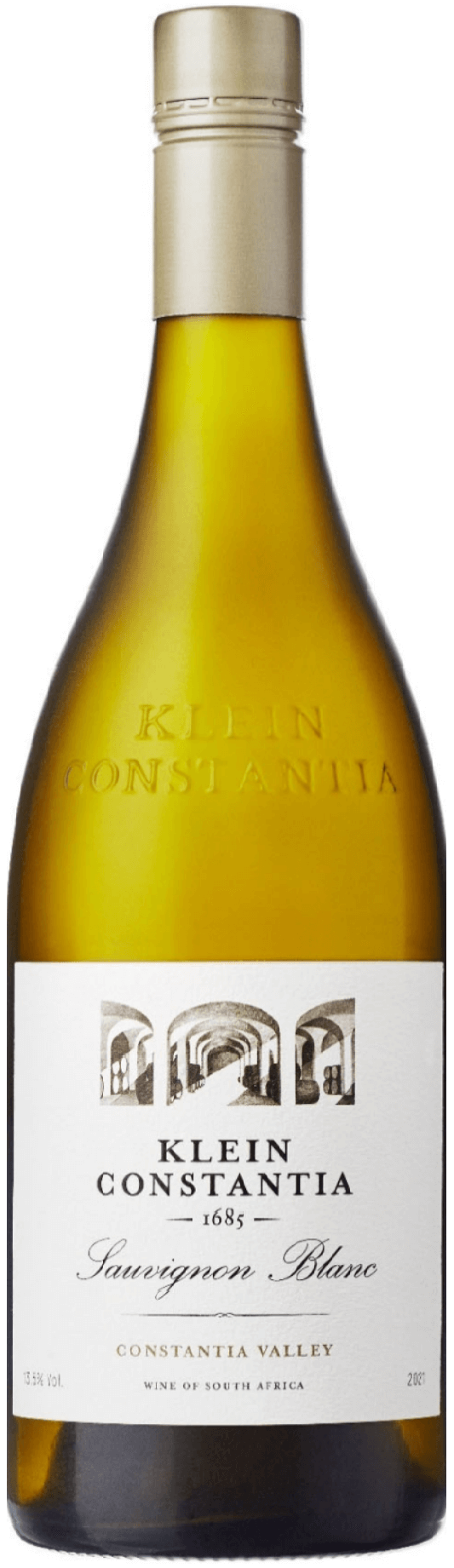
Alongside it, the Estate Sauvignon Blanc stands as a clear flagship for the strength of the cool Constantia climate for dry white wines: tight acid structure, grapefruit peel, a mineral finish that points to the decomposed granite. Recommended serving temperature: 8–10 °C for the Sauvignon Blanc, 10–12 °C for the Vin de Constance. Those who want to get to know the breadth of Klein Constantia will also find Riesling and Cabernet-based red wines in the range — all characterized by the same guiding principle: elegance from the soil, not from the cellar.