From Schultz's Siedlerhof to the Glina Distillery
Michael Schultz is a fruit farmer by trade and a trained master gardener. At the family farm in Glindow, a district of Werder an der Havel, he grew fruit and vegetables and pressed fruit wines — just as has been the tradition in this fruit-rich Havel landscape for generations. The turning point came in the early 1990s, when Schultz learned the craft of distilling on a trip to southern Germany and was spontaneously inspired by it. He completed training and further education as a distiller in Göppingen and Esslingen and made the art of distilling the core of the family business. 1991 the company was officially founded. The name Glina is derived from the village name Glindow, whose history dates back to the 13th century. The logo — a farmer with a scythe, the first settler — has since stood as a symbol for artisanal roots in the village.
Farm-distillery: everything from a single source, from field to bottle
Glina explicitly sees itself as a farm-distillery: all production steps from the cultivation of the grain and fruit to the bottling are in one hand. Michael Schultz controls every step himself — this is not a marketing promise, but the declared business principle. For the fruit wines, the team consciously relies on old varieties such as the Gräfin von Paris or the Große schwarze Knorpelkirsche, because these are the ones that carry the characteristic taste. As soon as the fruit is harvested, processing begins immediately.
For whisky maturation, Schultz uses a sophisticated barrel system: new wooden barrels come from the Messerschmidt cooperage in Neu Zittau, Brandenburg; they are supplemented by used barrels from selected Bordeaux and Burgundy wineries as well as port and sherry barrels from Portugal and Spain. Particularly characteristic is the two-stage use of the barrels — first the fruit wines mature in them, then the whisky takes over the same container and absorbs the remaining aromas. The distillery itself is designed as a show workshop and is accessible to visitors by appointment.
Fruit wines, whisky, gin — Werder in a bottle
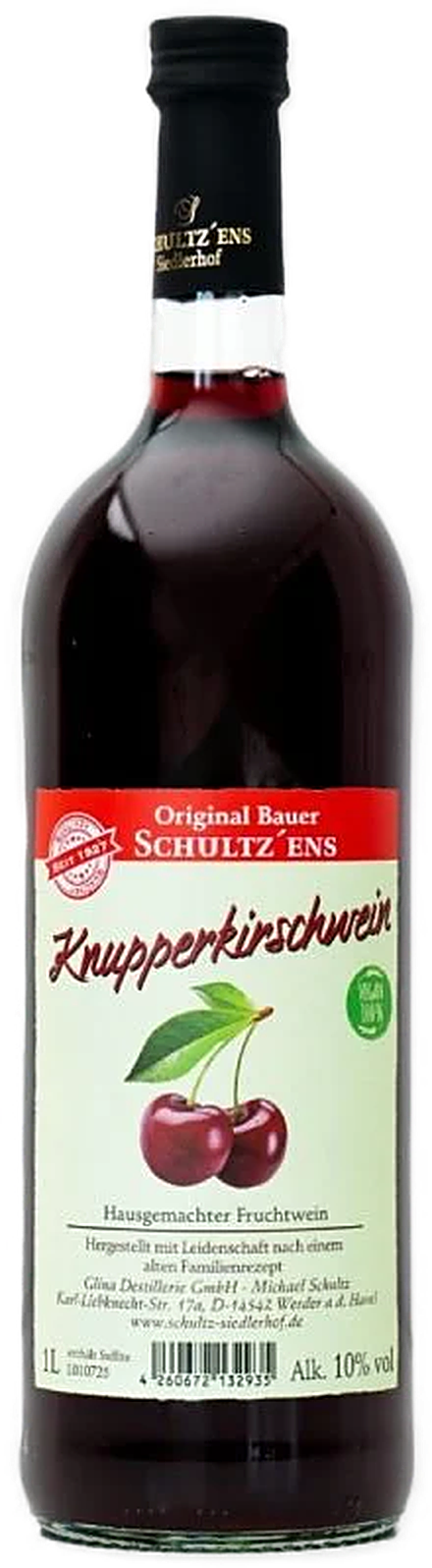
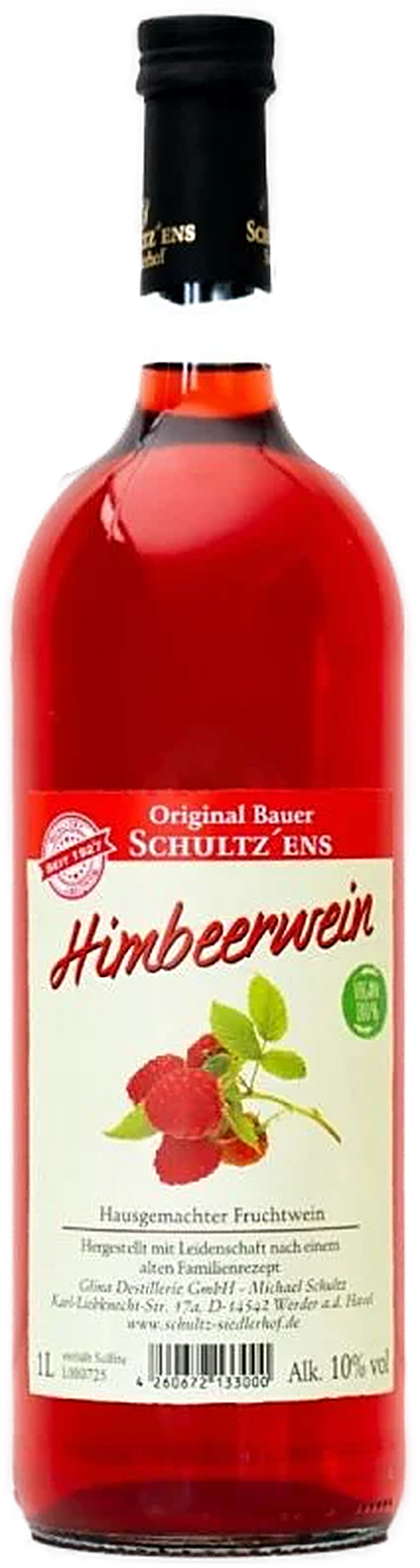
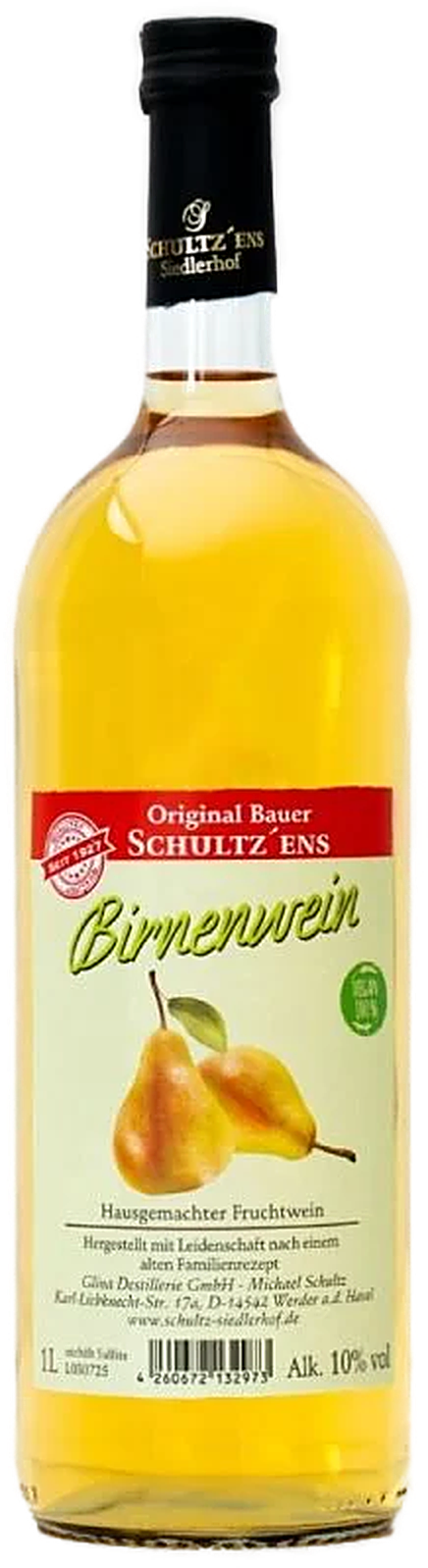
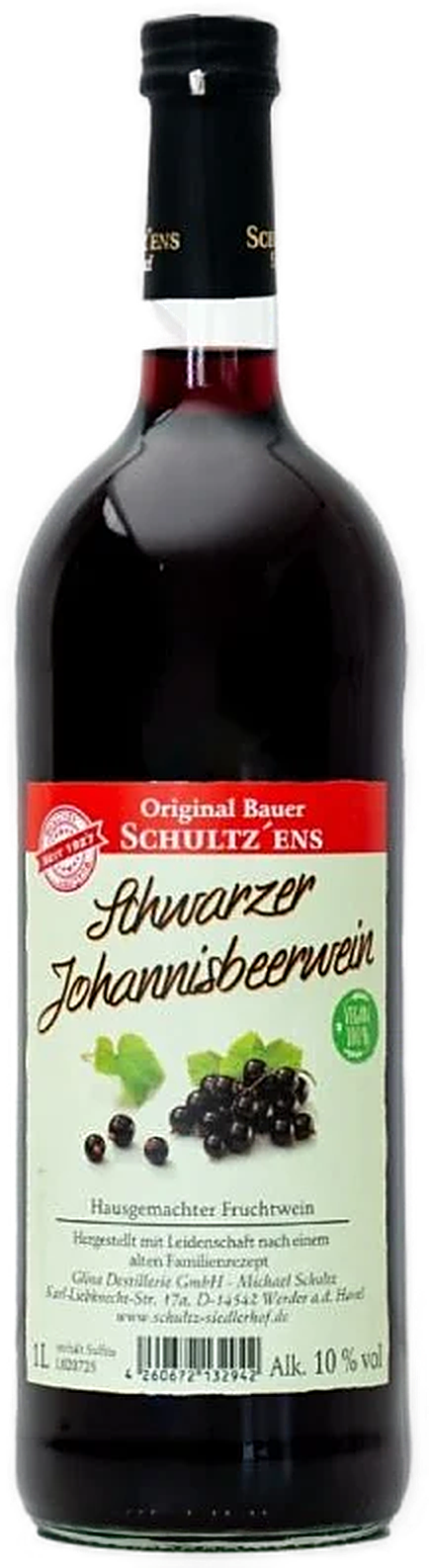
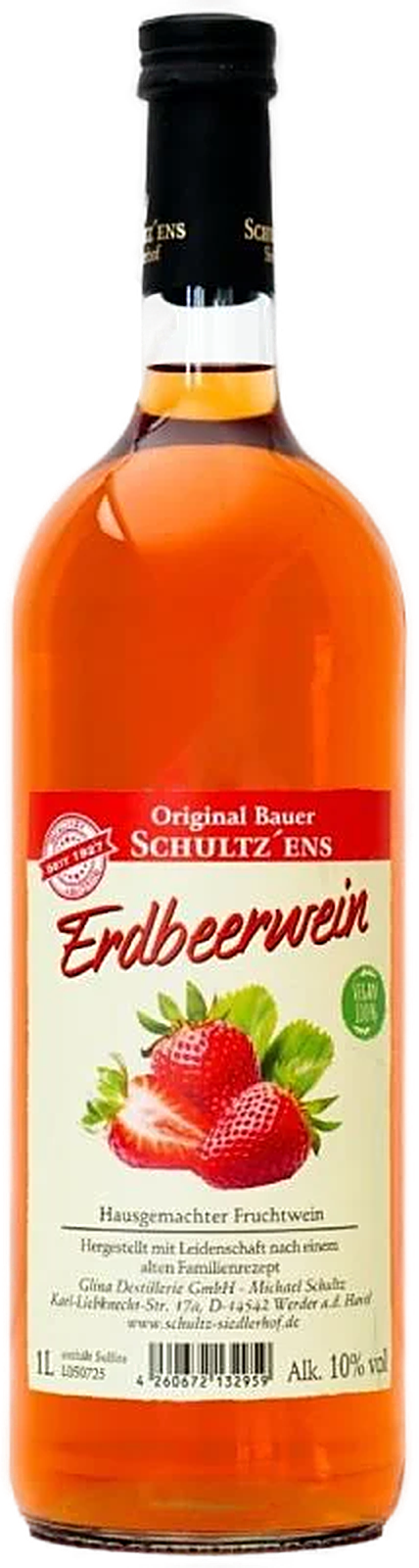
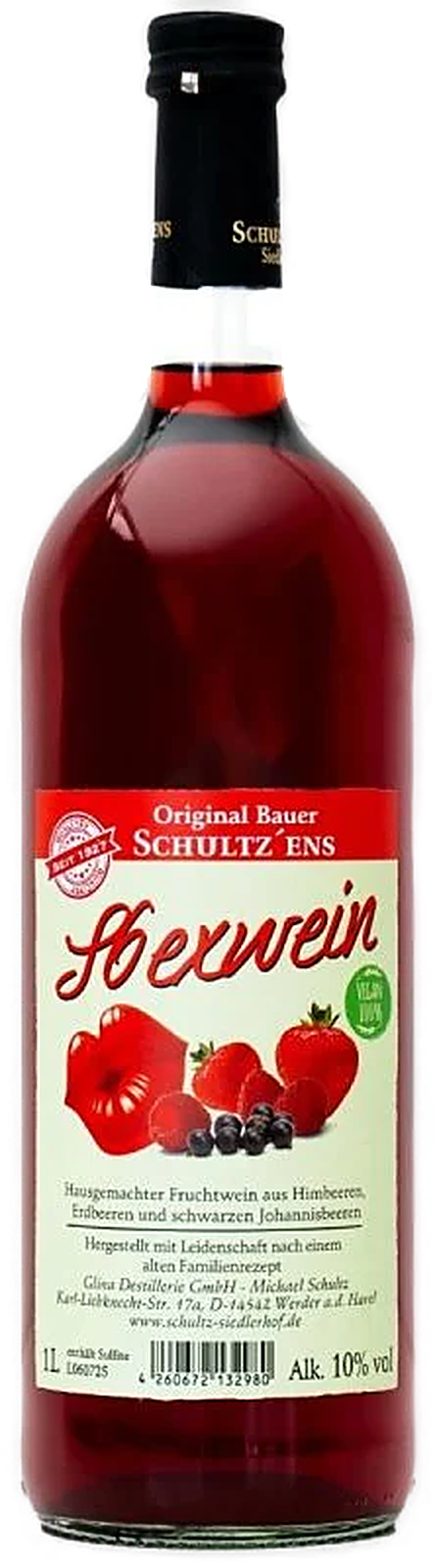
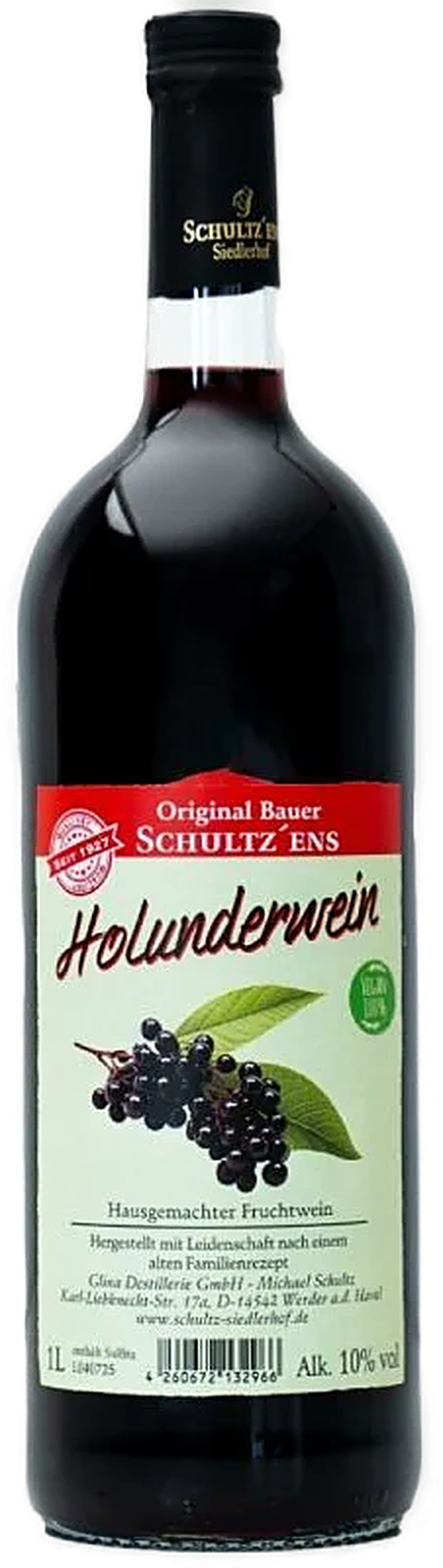
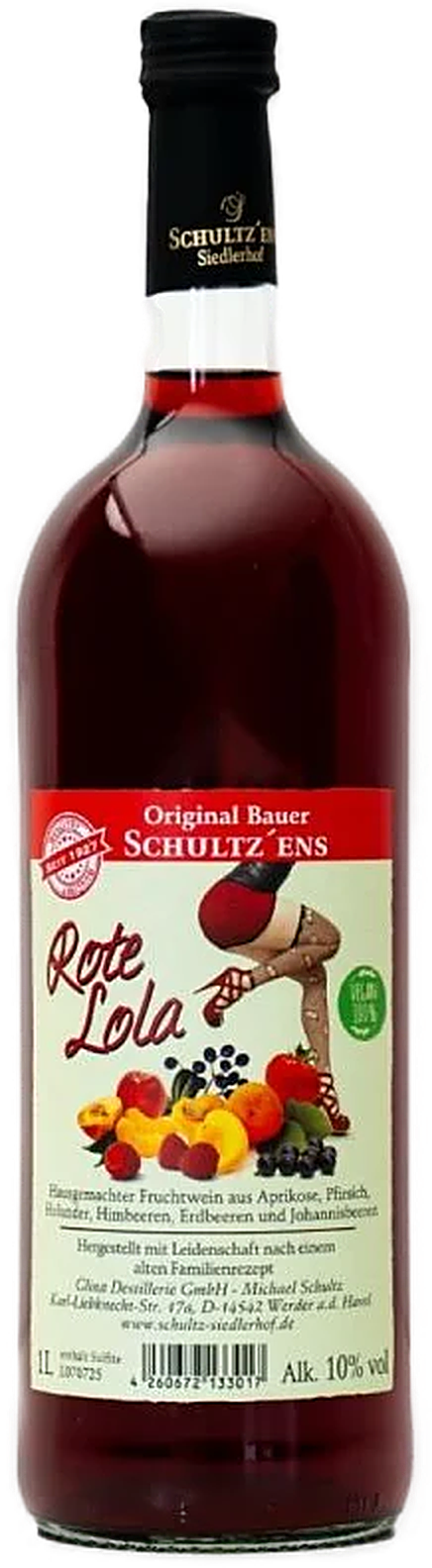
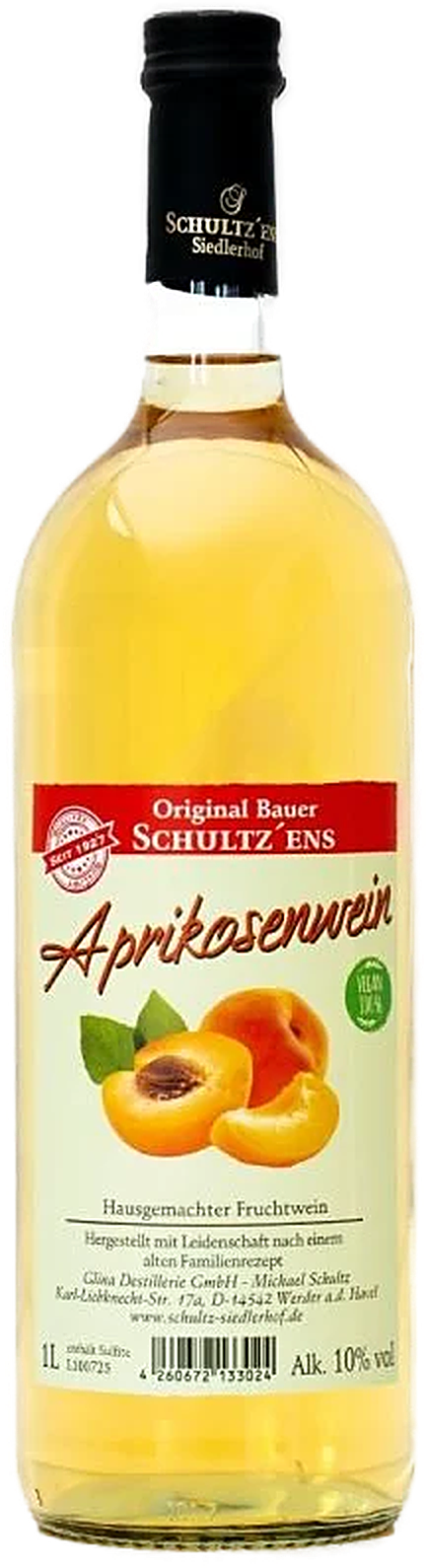
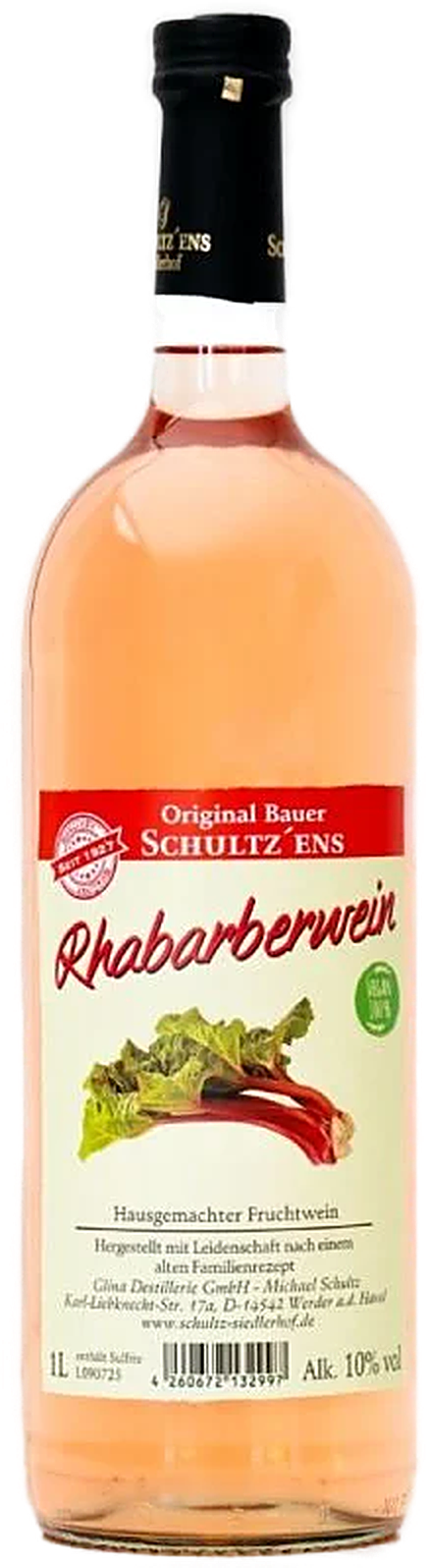
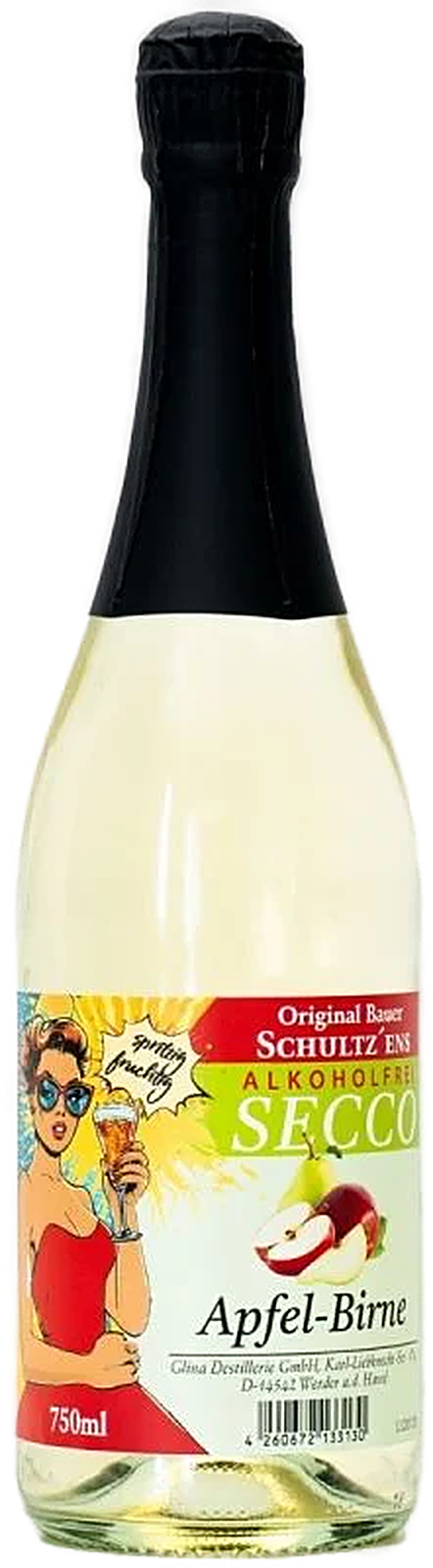
The range reflects the dual DNA of the company: down-to-earth fruit growing meets ambitious distillation craft. With the fruit wines, the respective fruit is clearly the focus — strawberry, currant, raspberry, elderberry, rhubarb, apricot, pear, cherry. Each variety is fermented as a single variety, not flavored. Werder an der Havel has been one of the best-known fruit-growing regions in northern Germany for generations, and it is precisely this terroir that you can taste in the wines. The whisky — including bottlings with a mulled wine barrel finish or maturation in a Knupperkirschwein barrel — shows how consistently Schultz also transfers the regional raw materials into the distillates. Gin and fruit brandies round off the program. All products are sold directly from the farm, via the company's own online shop, and in the regional food retail sector.