Rooted in Verdigny since 1670
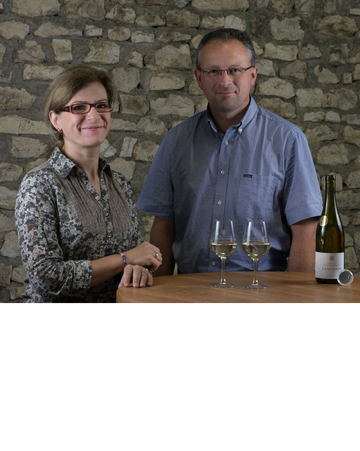
The Thomas family has been growing wine in Verdigny, a small wine village north of the town of Sancerre, since 1670 — that is more than thirteen generations during which the Domaine has never changed hands. Jean Thomas, who shaped the estate for decades, laid the foundation for the winery's reputation through meticulous terroir selection. In 2005, his son Julien gradually took over responsibility, together with his partner Justine — just as Jean's wife Ginette stood by his side before. What has been passed down from generation to generation is not a recipe, but an instinct for the place: the knowledge of the plots, their soils, and their characteristics in every season.
Biodynamics instead of routine: Julien's path in the vineyard
After graduating from the Lycée Viticole in Beaune, Julien Thomas consciously chose a different path than many of his colleagues. On the 16 hectares of the Domaine — exclusively in the Sancerre appellation — he completely avoids chemical treatments. The conversion to biodynamic principles means concrete craftsmanship: regular soil cultivation with a plow, controlled cover cropping between the vine rows for nitrogen supply, and thinning by hand in summer to limit yields. In the cellar, Julien relies on slow pressing, cold settling without enzymes, and exclusively indigenous yeasts for fermentation — no intervention that would mask the terroir. The white wine matures on the lees in stainless steel tanks, with regular bâtonnage over six to eight months. The red wines made from Pinot Noir mature for twelve months in wooden barrels, without fining and without filtration.
The philosophy behind this is simply stated: the vine should let its soil speak, not the cellar. For Julien, biodynamics is not a certification goal, but the logical consequence of respect for a viticultural tradition that has survived for 350 years.
Three soils, five cuvées — and Sauvignon Blanc as the star
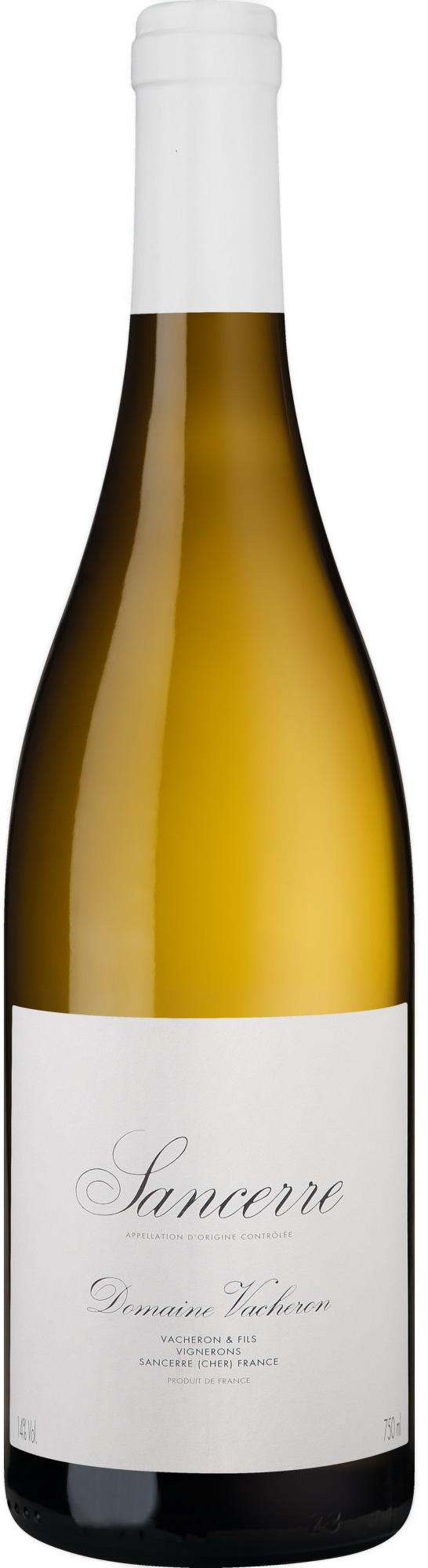
What distinguishes Domaine Thomas from many Sancerre producers is the variety of soil types in a small area. The vineyards comprise three geologically distinct terroirs: flint and limestone soils in the east (so-called Piton sites), the white Kimmeridgian chalk of the Terres Blanches on the highest slopes in the west, and the Caillottes — shallow, gravelly, and clay-limestone slopes in the south of the appellation. Each of these sites provides its own cuvée. The result is five Sancerre wines — white, red, and rosé — of which Sauvignon Blanc plays the leading role: lively citrus fruit, herbal spice, and a striking flint note on the finish, carried by a fine, never aggressive acidity structure. The Pinot Noir shows cherry aromas, a peppery spice, and a fresh, long-lasting finish — Caillottes typicality in the bottle. Recommendation for the white wine: 8–10 °C, with goat cheese from the Sancerrois, grilled river perch, or summery vegetable dishes with herbs.