Six generations of Salmon in the Coteaux Buetons
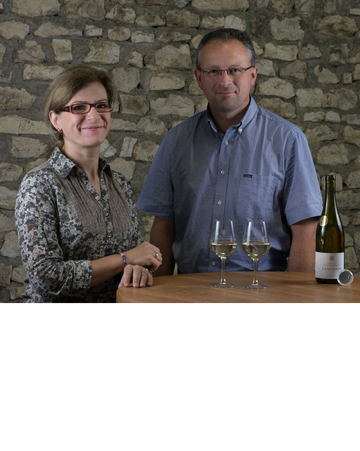
The history of Domaine Christian Salmon begins with Irénée Salmon, who founded the winery in the village of Bué in the Sancerre appellation and, together with his sons, developed the vineyards of the Coteaux Buetons. What was established as a family business back then is now in its sixth generation: Armand Salmon and his wife Marie manage the estate with around 15 hectares of Sancerre and another 3.25 hectares in Pouilly-Fumé. Within the appellation, Bué is considered one of the best municipalities — the combination of exposed hillside locations, Loire climate, and characterful soils has anchored the Salmon name for decades in one of France's most demanding wine-growing regions.
Terres blanches, Caillottes, and the principle of the gentle hand
In Sancerre, Armand Salmon cultivates two clearly distinct soil types: the Terres blanches — heavy clay-limestone soils on the western slopes — and the Caillottes, rich in stones and permeated by pure limestone. Both shape the wines in their own way, and both require care in the vineyard. In Pouilly-sur-Loire, the parcel-specific estate "Clos des Criots" is added, whose Kimmeridgian soils of marl and oyster fossils give the wines their own salty-mineral depth.
In the cellar, the Salmons work with a pneumatic press that presses the grapes particularly slowly and gently. Fermentation is carried out exclusively with naturally occurring yeasts; subsequently, the wines mature for a longer period on the lees in stainless steel tanks. No oak aging — the fruit and minerality of the terroirs should reach the glass unadulterated.
Clear line: Sauvignon Blanc that tastes of limestone
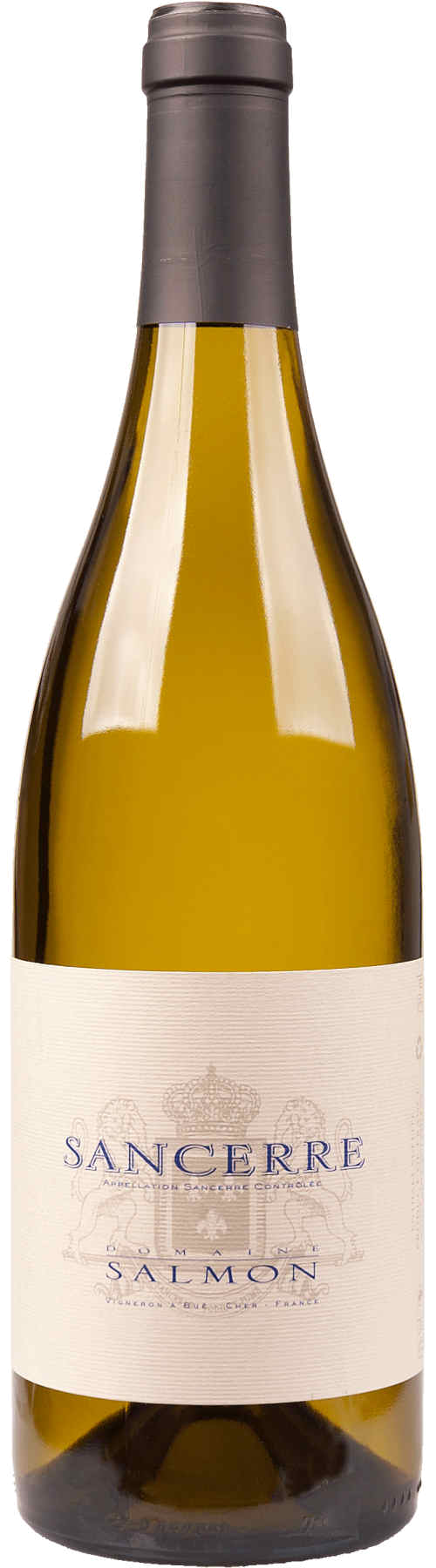
The Sancerre Blanc is the heart of the range: single-varietal Sauvignon Blanc, it shows citrus peel, white grapefruit, and a hint of fresh mint on the nose. On the palate, there is lively acidity, lime fruit, and a fine, almost salty finish — the typical fingerprint of the limestone and flint soils of Bué. In addition to the classic Sancerre Blanc, the range includes a Sancerre Rouge made from Pinot Noir as well as the Pouilly-Fumé from Clos des Criots. The style across all labels: precise, fresh, no detours. A bottle of Sancerre Blanc pairs well with Crottin de Chavignol from the immediate neighborhood, grilled sea bass, or asparagus with hollandaise sauce.