From the castle estate to family heritage on the Luxembourg Moselle
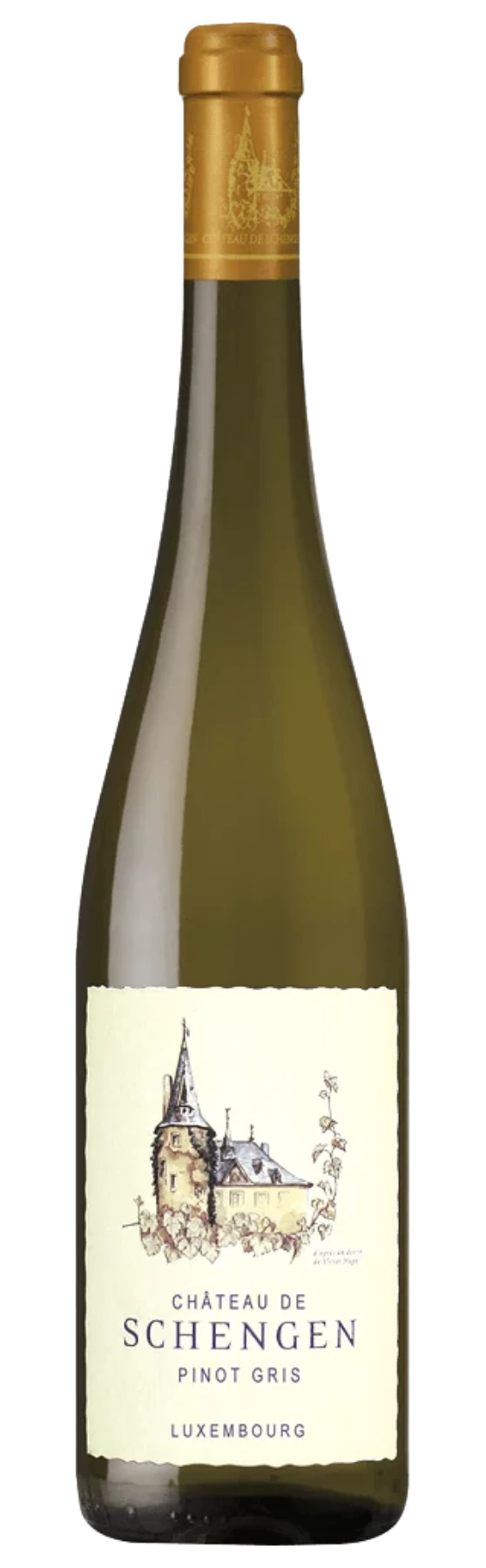
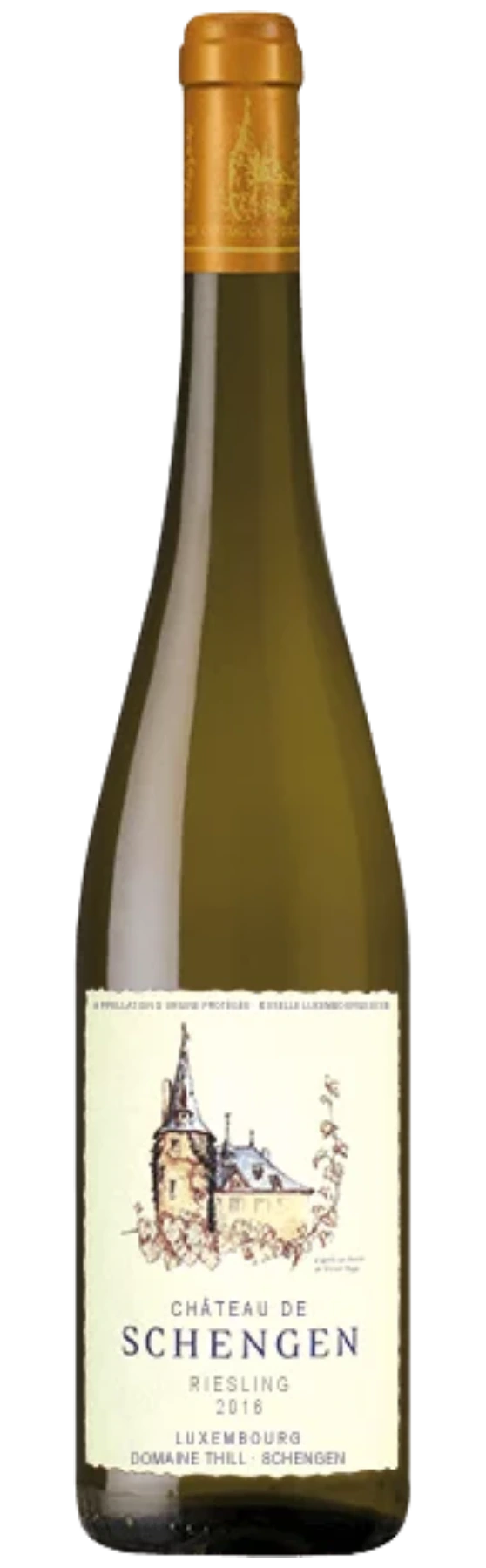
The Domaine Thill – Château de Schengen winery is located in the village of the same name on the southeastern tip of Luxembourg, where the Moselle forms the border with Germany and France. The origin of the estate goes back over a century: founded as a family business, Domaine Thill grew significantly in the decades after the Second World War, when a large part of today's vineyards was acquired from the then-owners of Château de Schengen. The historic castle itself – whose origins date back to the 13th century – gave the winery its name and its most defining symbol: the label shows a drawing of the castle, made by Victor Hugo during one of his visits to Schengen. Today, the estate is managed by Caves Bernard-Massard and the Clasen family, who have been among the most important private wine producers in Luxembourg since 1921.
Terroir first: limestone soils, clay, and the weight of the location
Domaine Thill is one of the most important wine-growing businesses on the Luxembourg Moselle and produces around 70,000 bottles per year. The vineyards are spread over the best sites around Schengen: clay-limestone soils that slope gently towards the Moselle, and – after targeted expansion – plots more strongly characterized by limestone, which have expanded the range to include varietal Rieslings. The manual harvest, usually at the end of September, and transport in 200-kilogram crates to the pneumatic press in the winery ensure gentle processing from the vine to the press. Under the Château de Schengen label, the estate markets exclusively its best cuvées – the selection is the program.
Pinot Gris from the Markusberg and Riesling with slate notes
Traditionally, the Schengen region is known for Pinot Gris and Pinot Blanc from the Markusberg: full-bodied, aromatically complex white wines that reflect the clayey-limestone soils of the south of the Luxembourg appellation. The Pinot Gris shows ripe pear and a hint of spice, carried by a soft acidity structure – a wine for grilled salmon, poultry with cream sauce, or strong soft cheese. The Riesling, grown on the more limestone-dominated expansion areas, brings lime zest, green apple, and a mineral-salty line on the finish – classic for the fish and seafood dish typical of Moselle Riesling or for Asian dishes with citrus notes. Recommended serving temperature for both wines: 8–10 °C. The range also includes Auxerrois, Pinot Blanc, and the Crémant de Luxembourg in the Cuvée Victor Hugo – all characterized by the same standard: only the best wines bear the name Château de Schengen.