From Domaine Guilhem Hosten to Deuxième Grand Cru Classé
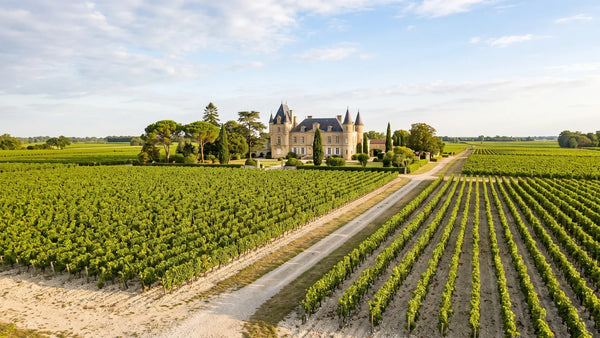
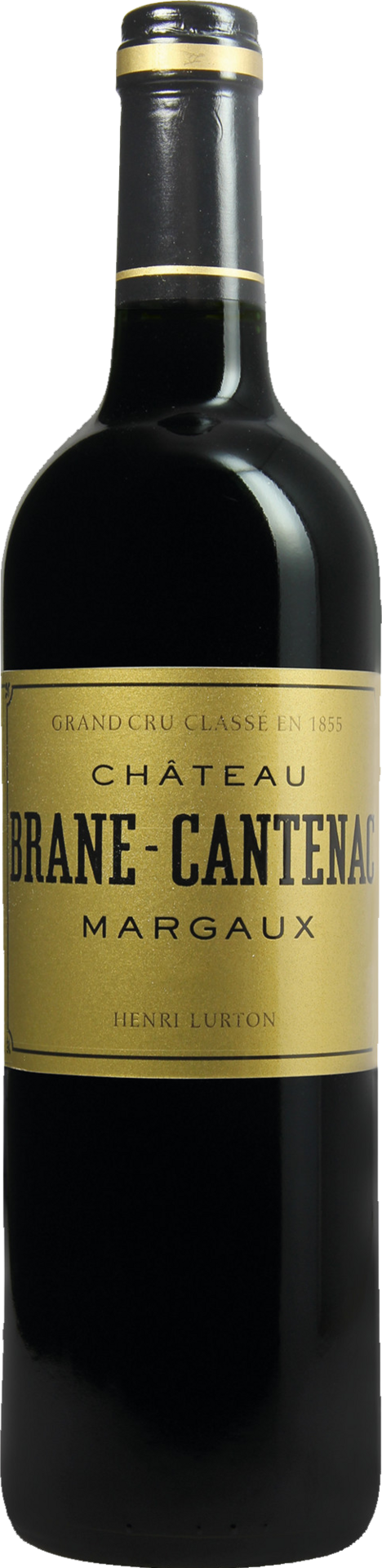
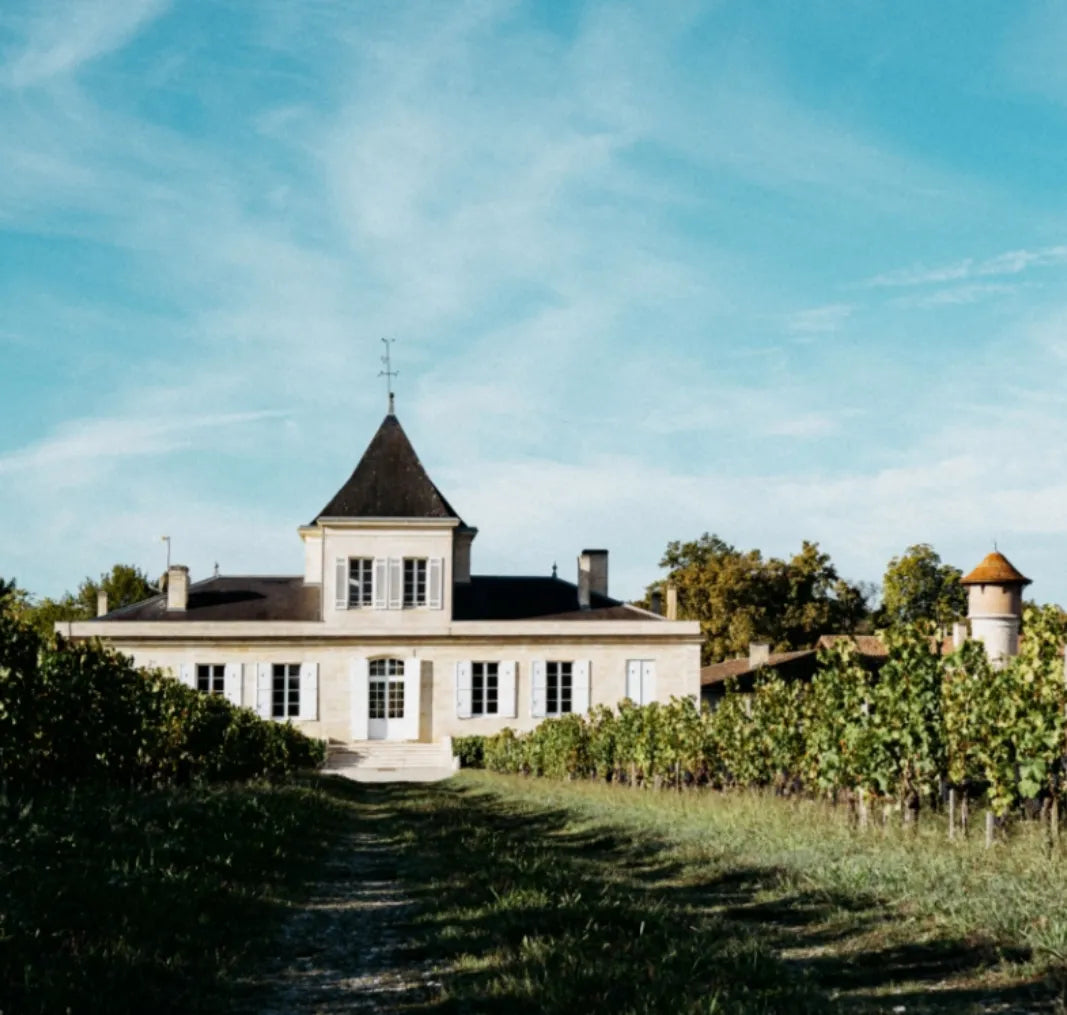
The history of Château Brane-Cantenac dates back to the early 17th century, when the estate was still known as Domaine Guilhem Hosten. In the late 18th century, the Gorce family developed the vineyard and estate into one of the most sought-after operations in the Médoc. The decisive step was taken by Baron Hector de Brane, who acquired the estate in 1833 — after having previously sold Château Mouton, today's Mouton Rothschild. Together with his son Jacques-Maxime, he shaped the reputation of the facility so lastingly that it took on his name: Brane-Cantenac. The family is considered one of the driving forces behind the spread of Cabernet Sauvignon in the Médoc. In 1855, the Château was classified as a Deuxième Grand Cru Classé — a classification that remains unchanged to this day.
After changing ownership — including the Roy family and the Société des Grands Crus de France — the estate came into the possession of François Lurton in 1925. This began the era that defines Brane-Cantenac to this day. Lucien Lurton took over his father's legacy in 1956, and since 1992, his son Henri Lurton has been running the Château as the fourth generation of the family. Today, the fifth generation is already involved: Henri Lurton's daughter, Madeleine, is responsible for marketing and communications.
Terroir focus, science, and a consistent refusal to compromise
After studying biology, earning a DEA in oenology and ampelography at the University of Bordeaux, and gaining experience in South Africa, Australia, and Chile, Henri Lurton brought an unusually broad scientific foundation back to the family winery. This influence is palpable in the vineyard: Brane-Cantenac has been working with the Bordeaux Faculty of Oenology for years and is the site of ongoing experimental series — from precise plot management to microbiological controls in the cellar. Optical grape harvesting technology enables a selection that goes far beyond the standard measure in the Médoc.
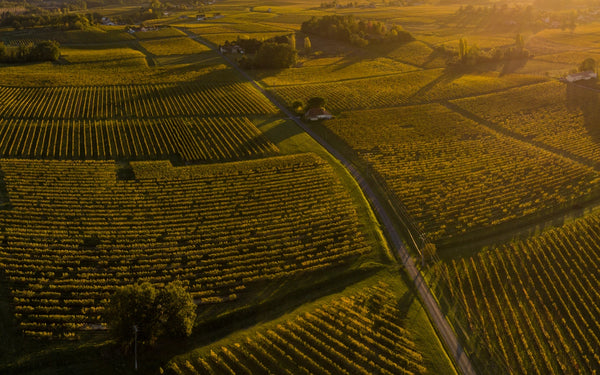
Henri Lurton made a clear shift starting in 2010, when parts of the vineyard were converted to organic farming; in parallel, an environmental management system was introduced that monitors water consumption, pesticide use, and recycling. The Grand Vin is produced exclusively from the 35 hectares of the so-called Terrace 4 on the Cantenac plateau — one of the deepest gravel soils in the Médoc, which is based on Quaternary gravel and lies at an altitude of 22 meters. Henri Lurton's father still vinified from the entire vineyard area; Henri consciously concentrated Grand Vin production on this one heart piece. The Grand Vin is aged in 100 percent new French oak — a decision that Lurton maintains despite the current trend toward reducing the proportion of new wood.
Cabernet depth with Margaux finesse — and a growing assortment
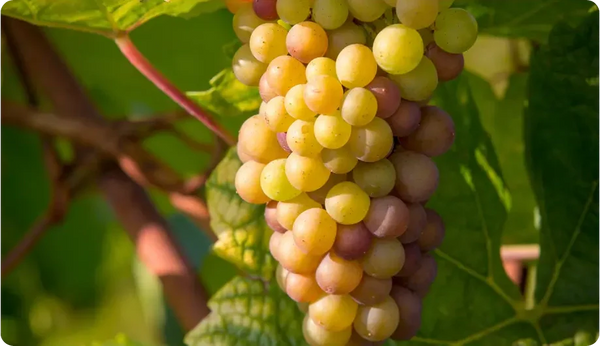
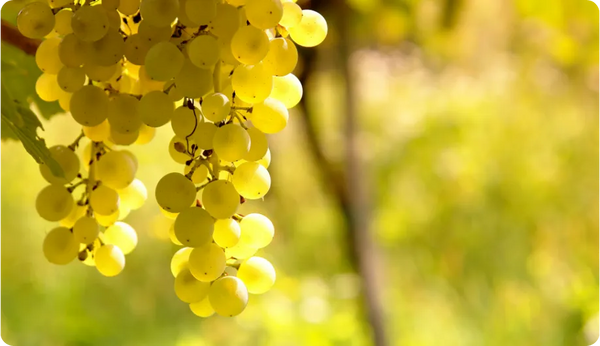
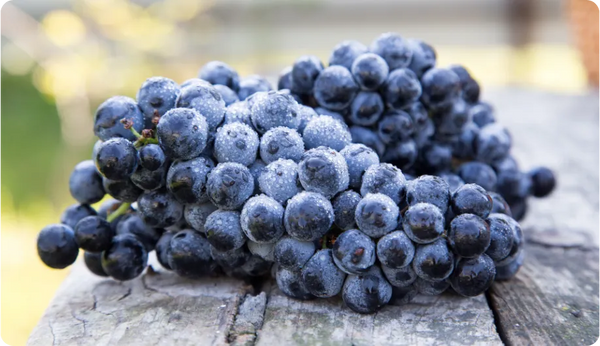
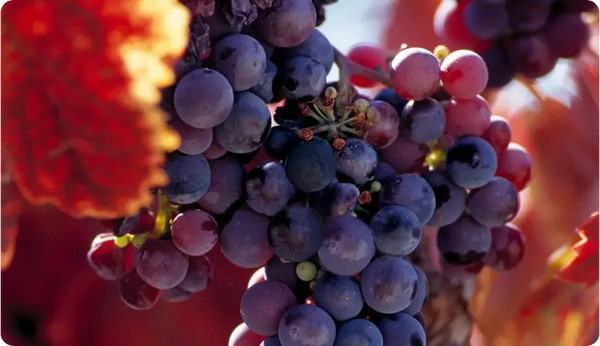
The 75-hectare vineyard is focused on Cabernet Sauvignon (around 55 percent) and Merlot (around 40 percent), supplemented by Cabernet Franc and — since the 2011 vintage — a small amount of Carmenère, one of the rarest grape varieties in the Médoc. The result is wines with the structured tannin architecture of the Left Bank, which are characterized by the characteristic finesse of the Margaux appellation: blackberry, violet, cedarwood, and with increasing depth, truffle and tobacco.
In addition to the Grand Vin, the assortment includes the Baron de Brane — not a classic second wine bottling, but an independent plot selection from Terraces 3 and 5, aged for twelve months in barrels with 30 percent new wood. In addition, there is Margaux de Brane as another wine from the house. Baron de Brane and Margaux de Brane thus offer a more accessible entry into the estate's style without abandoning its standards. Brane-Cantenac expressly does not see its wines as mere collector's items, but as bottles that should be opened, shared, and experienced at the table.