Two Danes, one idea, and the grape variety of Murcia
Behind Bodegas Trenza are two brothers from Denmark: David and Jonas Tofterup. David is a winemaker and founder of the project, Jonas holds the title of Master of Wine — two different paths that converged in 2004 with the first wines of the Trenza Family Collection and led to the official founding of the bodega in Yecla in 2006. The name says it all: Trenza means "braid" in Spanish — a weave of several strands that is firmer and more complex in result than any single one. That two Scandinavians ended up in the northwestern tip of the Murcia region has to do with a deep curiosity about the terroir: Yecla has been the center of Spanish Monastrell for centuries, and it is precisely this grape variety that David Tofterup, by his own account, has not been able to let go of.
Foreign fruits from their own soil — philosophy and craftsmanship
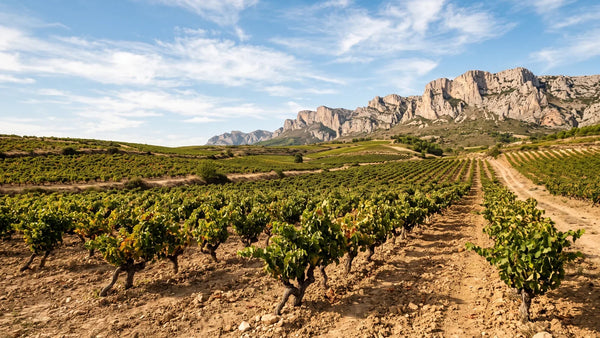
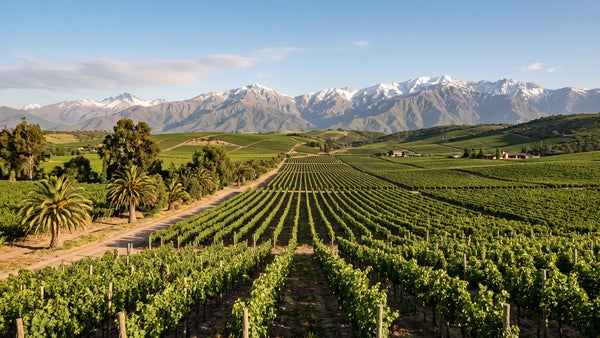
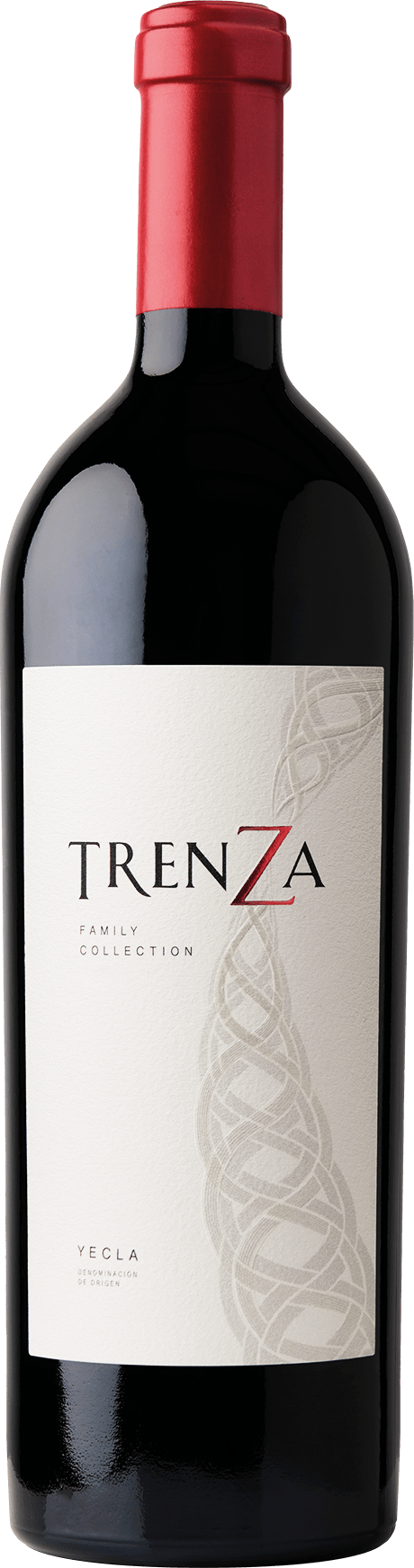
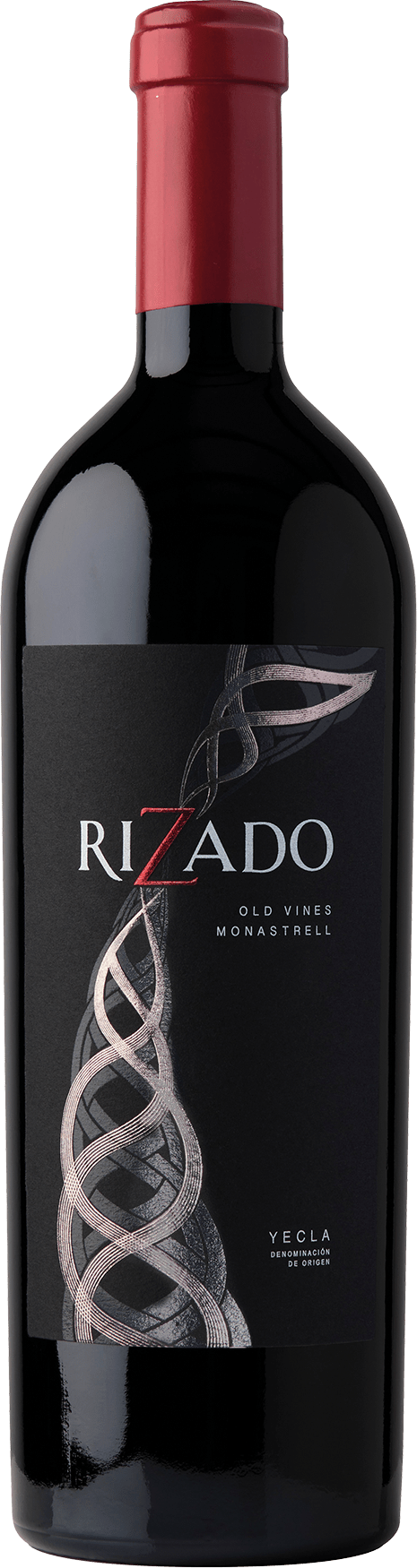
Bodegas Trenza works with established vineyard owners in Yecla, with whom the brothers have built close relationships over the years. The vineyards are located in a continental, dry climate with extreme day-night temperature fluctuations, intense sunlight, and barren-mineral soils — conditions that grant the grapes little and thus demand all the more concentration from them. David Tofterup describes himself as being guided by the terroir and inspired by the grapes, which is reflected in a restrained use of wood: the fruit is in the foreground, the aging supports it without overpowering it. The Family Collection, for example, is aged for 24 months in new French oak, the Rizado Old Vines for three months in used French and American barrels — weighted differently depending on the wine, but always focused on fruit expression.
Monastrell as a guideline — the range from Rizado to Family Collection
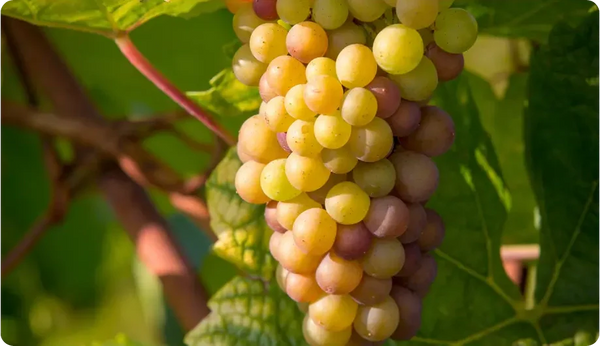
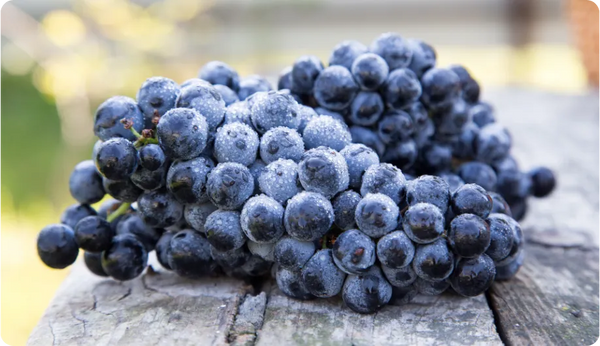
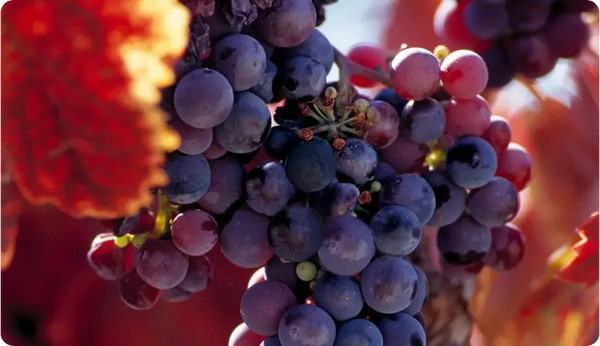
The heart of the range is old Monastrell vines from Yecla. The Trenza Family Collection combines 80% Monastrell with Garnacha Tintorera and Cabernet Sauvignon — a cuvée approach that complements the depth of the main grape variety with structure and freshness: dark berries, ripe plum, a hint of licorice on the nose, velvety-soft body on the palate, finish with fresh tannins. The Rizado relies on old-vine Monastrell with intense aromas, dense color, and a layering of dark spices and ripe fruit. Both wines go well with lamb, braised beef cheeks, aged Manchego, or hearty tapas cuisine. For those who do not yet know Monastrell: these wines show what the grape variety can achieve on old, deeply rooted vines in the southeastern Spanish heat — without extraction for the sake of extraction.