From the Nuestra Señora del Águila cooperative to a modern winery
Bodegas Paniza was founded in 1953 when the winegrowers of the village of the same name in the southwest of the province of Zaragoza joined forces to market their harvest together. This cooperation became the Nuestra Señora del Águila cooperative — named after the eagle that still circles over the vine rows in the Sierra Paniza today. In the 1980s, the first major modernization step followed: the acquisition of its own bottling plant, which for the first time enabled the bodega to market its wines completely independently. Shortly before the turn of the millennium, a new winery building was constructed, specifically designed for the aging phase of the wines. In 2018, further new production facilities were added. Today, Bodegas Paniza is one of the three largest and most influential wine producers in the D.O. Cariñena — and is thus an anchor of the entire wine economy of Aragon.
Around 400 winegrowers, one credo: quality before quantity
What distinguishes Bodegas Paniza from many cooperatives is the consistent billing model: the approximately 400 affiliated winegrowers are not paid by the weight or volume of the grapes, but by quality. Those who do not meet the requirements go empty-handed — those who deliver above-average quality receive a bonus. This has tangible consequences in the vineyard: green harvesting, yield reduction, and careful canopy management pay off financially. The cooperative's vineyards extend over around 2,800 hectares at the foot of the Iberian Mountains, at altitudes of up to 850 meters above sea level. Slate soils and calcareous clays dominate there; the continental climate ensures hot, dry summers and cold, windy winters — conditions under which the berries ripen slowly and build up high aromatic concentration. Some Garnacha plots come from vines that date back to 1906. The overall philosophy of the bodega is summarized in three guidelines: quality, strengthening the local economy, and respect for the environment.
Jabalí and Garnacha: accessible, fruit-driven, Aragonese at heart
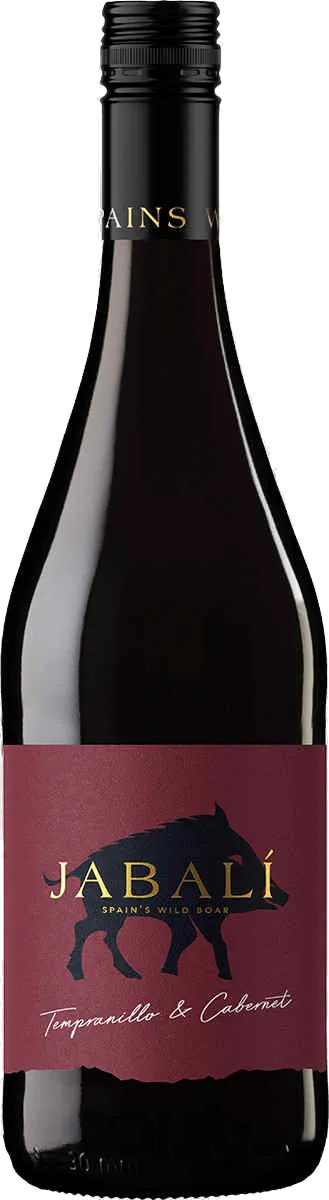
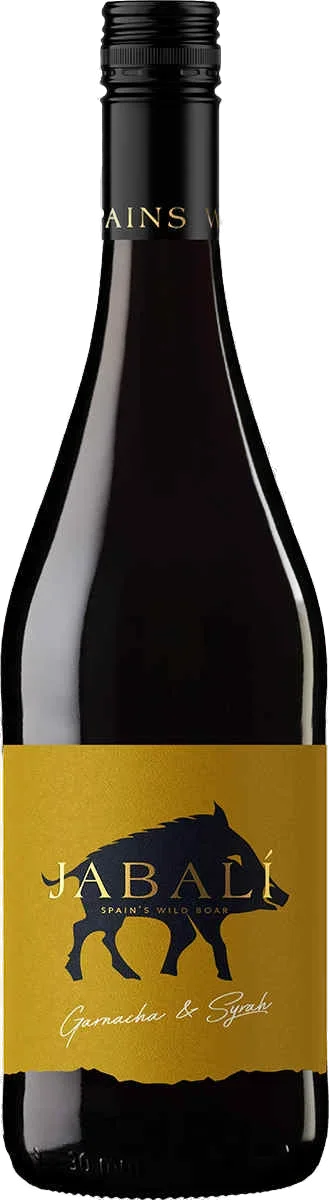
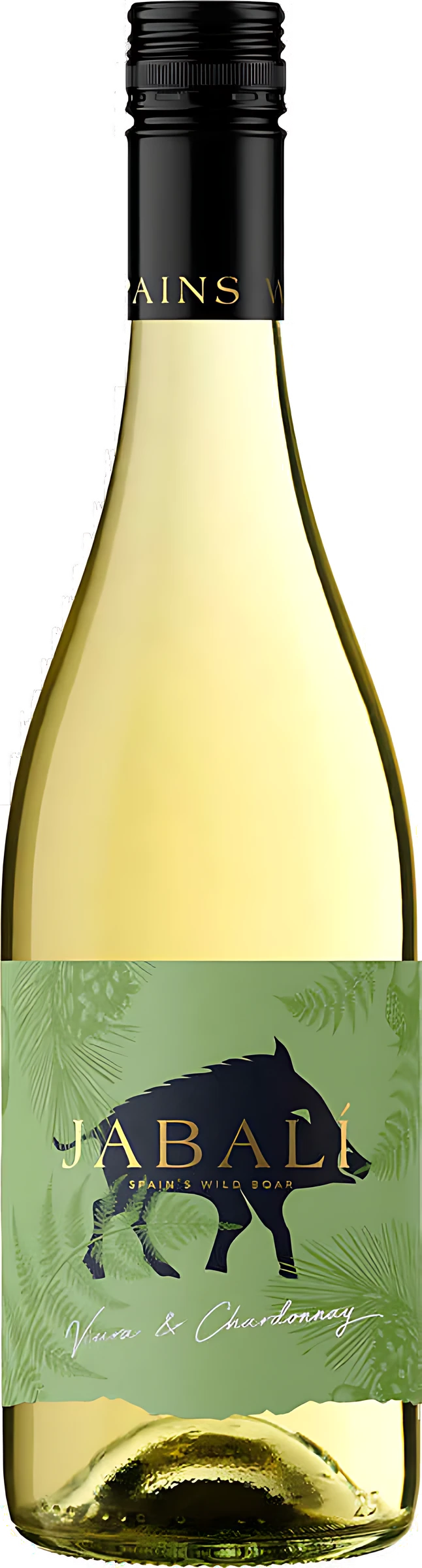
The best-known range of the bodega bears the name Jabalí Agostón — the wild boar (jabalí) that wanders from the forests of the Iberian Mountains into the vine rows on warm summer evenings before the harvest and helps itself to the ripest grapes. The name says it all: the wines are wild in the best sense — juicy, direct, with a clear focus on fruit. The Garnacha-Syrah cuvée ferments in stainless steel tanks and shows aromas of raspberry and dark cherry with a soft, accessible structure. The Tempranillo-Cabernet line and the Chardonnay-Viura white follow the same approach: international grape varieties embedded in the mineral terroir of the slate sites of Paniza. The rosado made from Garnacha and Cabernet rounds off the range with a typically Aragonese style — dry-fruity, fresh, without heaviness. Wines from Paniza are not an end in themselves for cellars and collectors, but are made for the table: directly drinkable, honest in expression, and firmly anchored in the soil of the D.O. Cariñena.