






















The short answer: Aperol neat has 11% ABV. A classically mixed Aperol Spritz comes in at around 8–9% ABV in the glass — about as much as a light wine. Pre-mixed bottles like our Aperol Spritz 3-pack are at 10.5% ABV.
What is the alcohol content of Aperol neat?
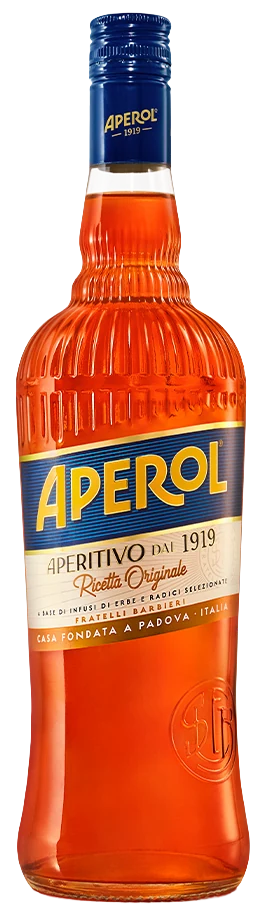
The orange bitter liqueur from Padua has been produced since 1919 using an unchanged recipe of bitter oranges, rhubarb, and gentian — and at 11% ABV, it is one of the lighter spirits. For comparison: gin or rum start at 37.5% ABV. It is precisely this lightness that makes Aperol the ideal aperitif base. You can find Aperol (0.7 l) here.
And in a mixed Aperol Spritz?
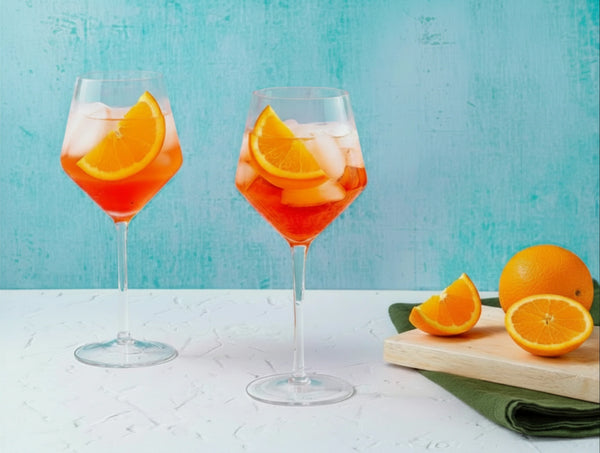
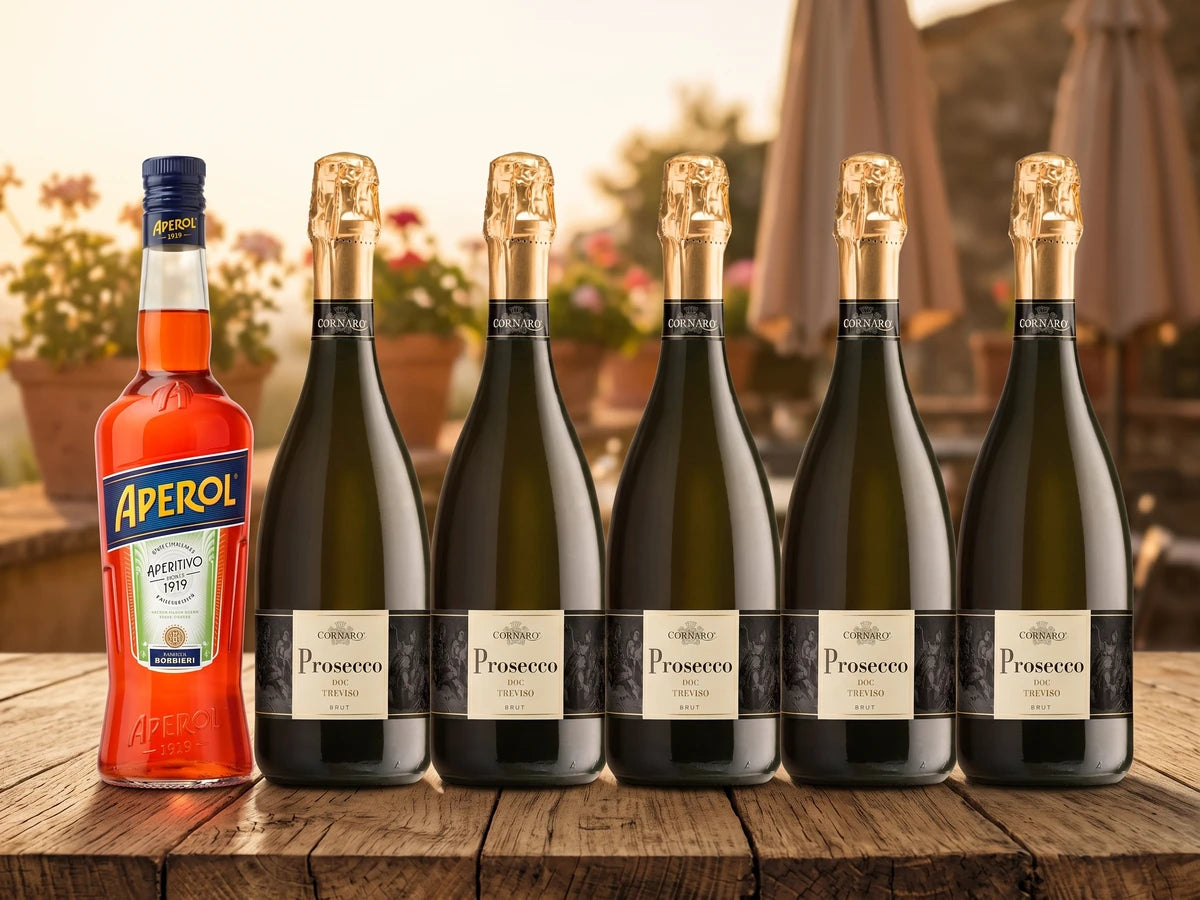
The classic recipe is 3-2-1: 3 parts Prosecco, 2 parts Aperol, 1 splash of soda — plus plenty of ice and an orange slice. If you do the math (Prosecco ~11% ABV, Aperol 11% ABV, soda 0%), the finished drink ends up at about 9% ABV; with melting ice, more like 8%. A glass of Aperol Spritz is therefore about as strong as a glass of light white wine — and significantly lighter than most cocktails.
Alcohol content in comparison
- Beer: approx. 5% ABV
- Aperol Spritz (mixed): approx. 8–9% ABV
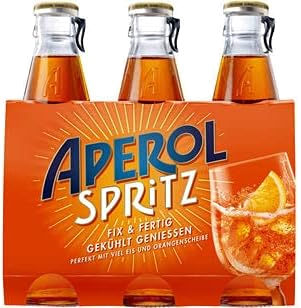
- Aperol Spritz (pre-mixed, bottle): 10.5% ABV
- Aperol neat: 11% ABV
- Wine: approx. 11–14% ABV
- Gin, Rum & Co.: from 37.5% ABV
Mix your own Aperol Spritz — or buy it ready-made
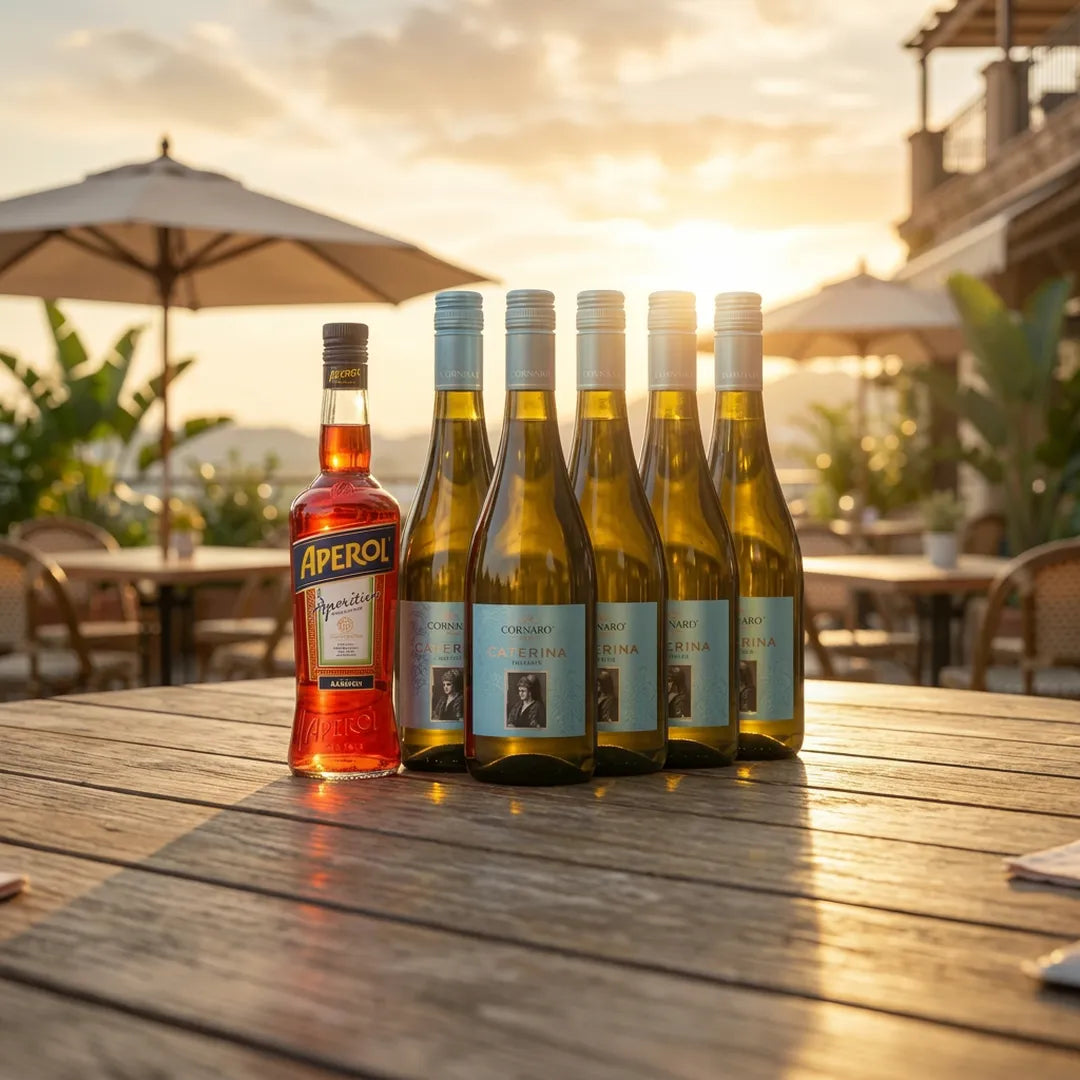
For the perfect Spritz, you only need a dry Prosecco (Brut or Extra Dry — our Prosecco selection), Aperol, and soda. Our Aperol Spritz packs with Prosecco or Frizzante include both. Don't feel like mixing? The ready-to-drink 3-pack (3 × 0.2 l) just needs to be chilled.
Frequently asked questions
Is Aperol Spritz stronger than wine?
No — when mixed, at 8–9% ABV, it is actually below most wines (11–14% ABV). Thanks to the ice and soda, it is also easier to drink.
Is there an alcohol-free Aperol Spritz?
Aperol itself is only available with alcohol. If you want the bittersweet Spritz taste without the alcohol, you will find suitable substitutes in our non-alcoholic aperitif alternatives.
How many calories does an Aperol Spritz have?
Depending on the mixing ratio, roughly 150–200 kcal per glass — the majority comes from the sugar in the liqueur and the Prosecco.




We would love to hear what you think
What did you make of this article? Drop us a few lines — we read every comment.
Log in to join the conversation. Log in now