From Douro pioneer to Portugal's largest Vinho Verde producer
In 1942, in the middle of the Second World War, Fernando van Zeller Guedes founded the "Sociedade Comercial dos Vinhos de Mesa de Portugal" together with 15 fellow campaigners – the predecessor of Sogrape. The goal was clear: to make Portuguese wines known on the world market, initially through exports to Brazil, which, like Portugal, was kept out of the war. The first big hit was Mateus Rosé, produced in the Douro Valley, which gave the company international fame. Today, in the third generation of the Guedes founding family, Sogrape has developed into one of the largest wine producers on the Iberian Peninsula – with around 1,600 hectares of vineyards in Portugal, Spain, Chile, Argentina, and New Zealand, as well as a presence in over 120 markets worldwide.
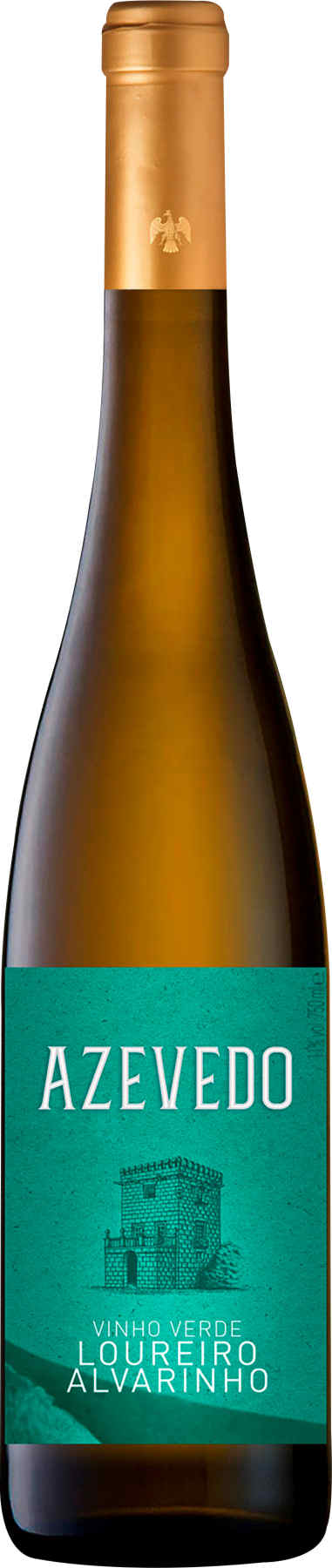
The Guedes family's connection to the Vinho Verde region is deeply rooted: in 1982, Sogrape acquired the historic Quinta de Azevedo near Barcelos – an estate whose origins date back to the 11th century. The manor house and the tower of the Quinta were extensively restored. Since then, the estate with 35 hectares of vineyards in the Barcelos sub-region has been the heart of Sogrape's activities in Vinho Verde.
Integrated viticulture, cellar craftsmanship, and a globally used yeast strain
Sogrape pursues an integrated viticulture approach that focuses on biodiversity protection, water resource management, and the use of plant protection products of natural origin. The company is a partner in the EU Horizon 2020 project NOVATERRA, which combines new plant protection strategies with precision farming and integrated soil management. Photovoltaic systems at the production sites in Portugal and Argentina have avoided more than 730 tons of CO₂ emissions since their installation. Sogrape has received the national sustainability certification of the IVV (Instituto da Vinha e do Vinho) in cooperation with ViniPortugal for all Portuguese wine-growing regions in which the house produces.
At Quinta de Azevedo, the conventional pergola system was abandoned in favor of vertical cordon training – more air circulation in the foliage area, more even sunlight, healthier grape material. The grapes are harvested at night and then fermented at cool temperatures in stainless steel tanks to preserve the natural aromatics of the grape varieties. After fermentation, the wine lies on the fine lees for about three months. Remarkable: the yeast strain QA23 was isolated in the Quinta de Azevedo vineyards – today one of the most widely used fermentation yeasts worldwide, used from Australia to the USA.
Aromatically precise white wines from Portugal's cool northwest
The Vinho Verde region stretches between the Douro and Minho, the Atlantic and the mountains – a cool, Atlantic-influenced climate, nine sub-regions, granite and slate soils. Sogrape is considered the largest producer in this DOC. Quinta de Azevedo focuses on the two aromatically contrasting lead grape varieties of the region: Loureiro and Pedernã (regionally also Arinto). Loureiro brings floral notes – orange blossom, linden blossom, lime – and a fine mineral line. Pedernã contributes a natural, crisp acid structure and keeps the wine lean and easy to drink. In more recent production lines, Alvarinho complements the range: pithy stone fruit, more body, greater complexity. From the 2022 vintage, the top wines of the Quinta are vinified exclusively from their own harvest – the "Escolha" and "Grande Escolha" bottlings partly mature in large used French oak barrels to gain texture without masking the fruit. Served well-chilled at 8–10 °C, these wines go well with grilled sea bass, gambas à la plancha, seafood rice porridge, or a light goat cheese from the Minho.