A Chicago academic changes the wine world
Warren Winiarski did not come from a winemaking background. The Chicago native discovered wine during a study year in Italy and began experimenting in his own cellar in his hometown. In 1968, he moved with his family to the Napa Valley, working first at Chateau Souverain, then at the newly founded Robert Mondavi Winery. The decisive impulse came from a sip of homemade wine from the cellar of Nathan Fay, the Cabernet pioneer of the later Stags Leap District. In 1970, Winiarski bought an adjacent 44-acre plot and planted Cabernet Sauvignon and Merlot where plum trees and walnuts had previously stood. Even the second commercial vintage, the 1973 S.L.V. Cabernet Sauvignon, made history: at the Paris blind tasting in 1976 — the so-called Judgment of Paris — it prevailed against the leading Bordeaux Châteaux. A bottle of this vintage is now in the permanent collection of the Smithsonian National Museum of American History. In 2007, Winiarski sold the winery; since 2023, Marchesi Antinori, one of Italy's oldest family-run wine producers, has held full ownership.
From the vineyard to the cellar: terroir first, technology second
The heart of the winery consists of two estates in the Stags Leap District: the original S.L.V. estate (Stag's Leap Vineyard) with its predominantly volcanic soils and excellent drainage, and the FAY Vineyard, which Winiarski acquired in 1986 in honor of Nathan Fay. Its soils of coarse gravel and volcanic alluvium provide grapes with rich red and black berry fruit and fine texture. The Stags Leap Palisades reflect heat during the day and channel cool air from San Pablo Bay at night — the pronounced temperature difference extends the growing season and preserves the acid structure of the grapes. In the cellar, the team relies on gravity: since the facility was built in 1972, grapes and must have moved through the operation by gravity flow, without mechanical pumping, to protect aromas and texture. At the end of 2024, the core S.L.V. and FAY sites became the first vineyards in the Stags Leap District AVA to receive Regenerative Organic Certified® certification — currently the strictest standard certification for organic agriculture worldwide. In addition, there is Napa Green (since 2017), California Certified Organic Farming (CCOF), and Fish-Friendly Farming. Head winemaker Marcus Notaro works closely with Marchesi Antinori oenologist Renzo Cotarella and describes his basic attitude as follows: everything begins in the vineyard — the cellar translates what the vines tell.
Iron structure, velvety surface — the Stag's Leap profile
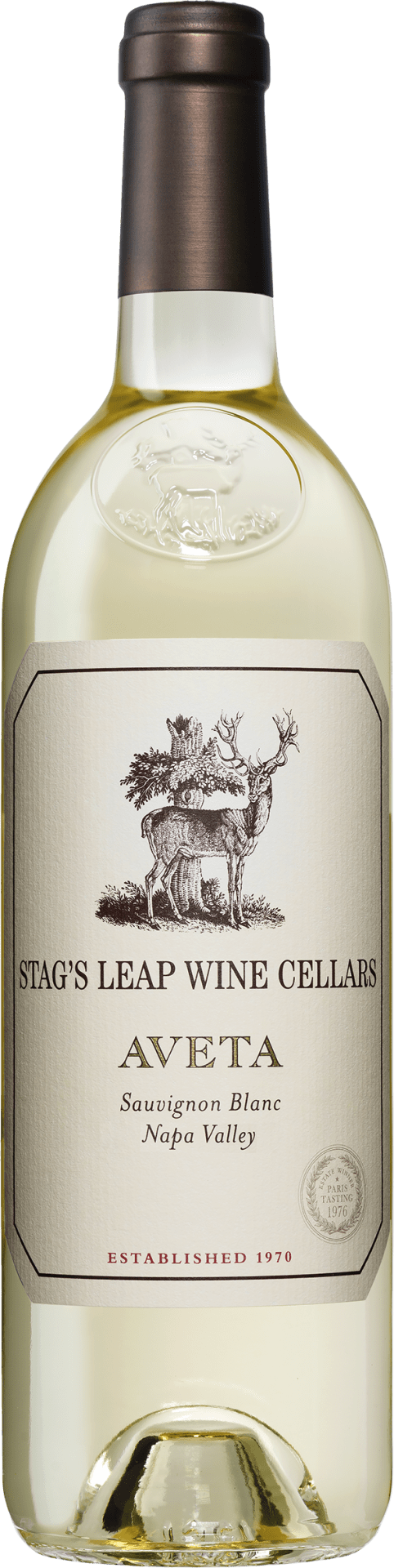
For decades, the winery's wines have carried the attribute "iron fist in a velvet glove": a powerful tannin structure that hides behind a soft, accessible texture. The two entry-level cuvées in the shop show this profile in different facets. Artemis, the Napa Valley Cabernet Sauvignon, gathers fruit from various sites in the appellation and stands for accessible depth — black cherry, dark plum, a hint of cedarwood, pleasant length. Aveta, the Sauvignon Blanc, shows the fresh, citrus-clear side of the winery with crisp acidity and aromatic precision. Above these rank the pure single-vineyard Cabernets S.L.V. and FAY as well as CASK 23, which have achieved cult status beyond the world shops. Common to all wines is their origin from one of the few North American wine-growing regions that established its reputation not through marketing, but through a blind tasting victory in the heart of Paris.