From nine founding families to the voice of the Swartland
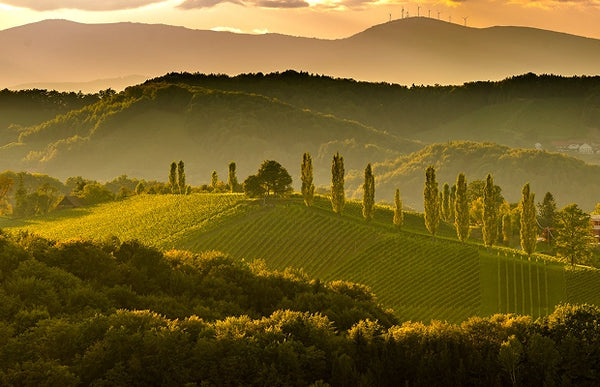
The history of the Riebeek Valley Wine Co. begins in 1941, when nine local farmers joined forces to jointly press wine from the Swartland. The area itself has a much longer viticultural tradition: Dutch settlers and later French Huguenots recognized the quality of the terroir around the Kasteelberg as early as the 17th century — the striking table mountain that still lends its name to the flagship range of the same name today. For decades, the company, then under the name Riebeek Cellars, was primarily geared towards the volume market. On January 18, 2019, the company made a clean break: renaming to Riebeek Valley Wine Co., new self-image, new strategy. Since then, the house has seen itself as Guardians of the Swartland — guardians of a landscape in which dry farming, barren soils, and hot summer winds are not adversities, but tools.
Collective craftsmanship instead of cellar operation
The foundation is formed by 22 winegrower families, including third and fourth-generation businesses, who grow their grapes exclusively in the Swartland. The vineyards extend at altitudes between 60 and 300 meters on the flanks of the Kasteelberg — on a mosaic of alluvial river sediments, shale-clay soils, and the characteristic Koffieklip, an iron- and clay-rich ferricrete soil with excellent drainage. Irrigation plays almost no role: the vines grow predominantly in dry farming, which results in small berries, concentrated aromas, and naturally low yields.
In the cellar, the house relies on two levels: the main production for its own lines as well as the so-called Riebeek Boutique Cellar, a micro-vinification facility where winemaker teams experiment with fermentation forms such as whole-bunch fermentation, extended skin contact with old Chenin Blanc vines, or full carbonic maceration with Shiraz. Individual plots have also been certified by the South African Old Vine Project — including a 39-year-old bush vine Chenin Blanc that stocks the Kasteelberg top line. The house works according to the principles of the South African Integrated Production of Wine (IPW) initiative, which systematically reduces the use of chemicals in the vineyard and cellar.
Shiraz, Chenin Blanc, and the non-alcoholic Short Street
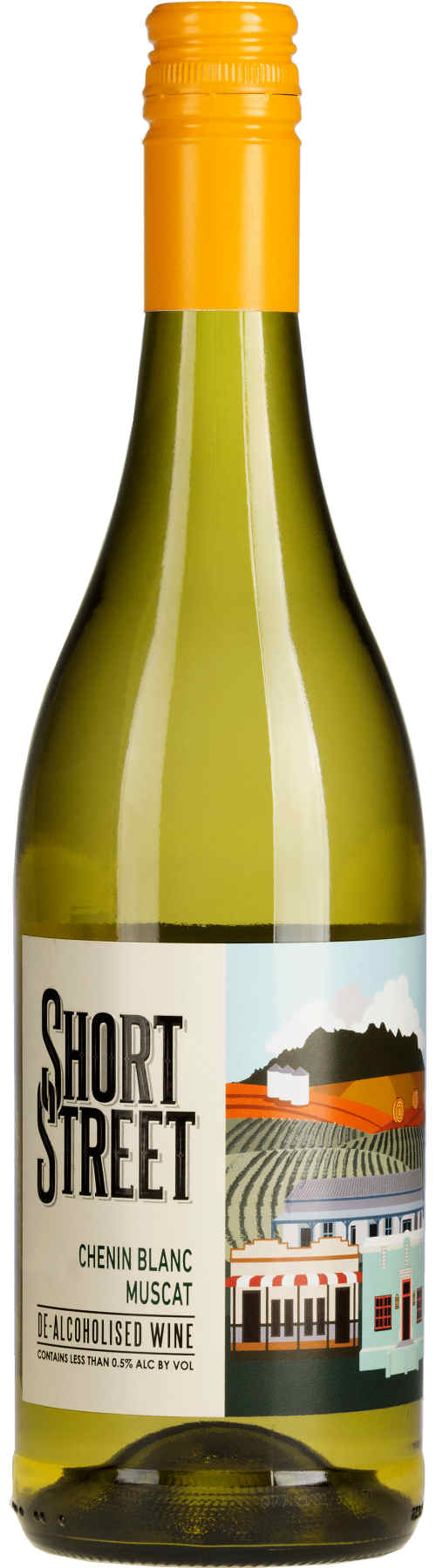
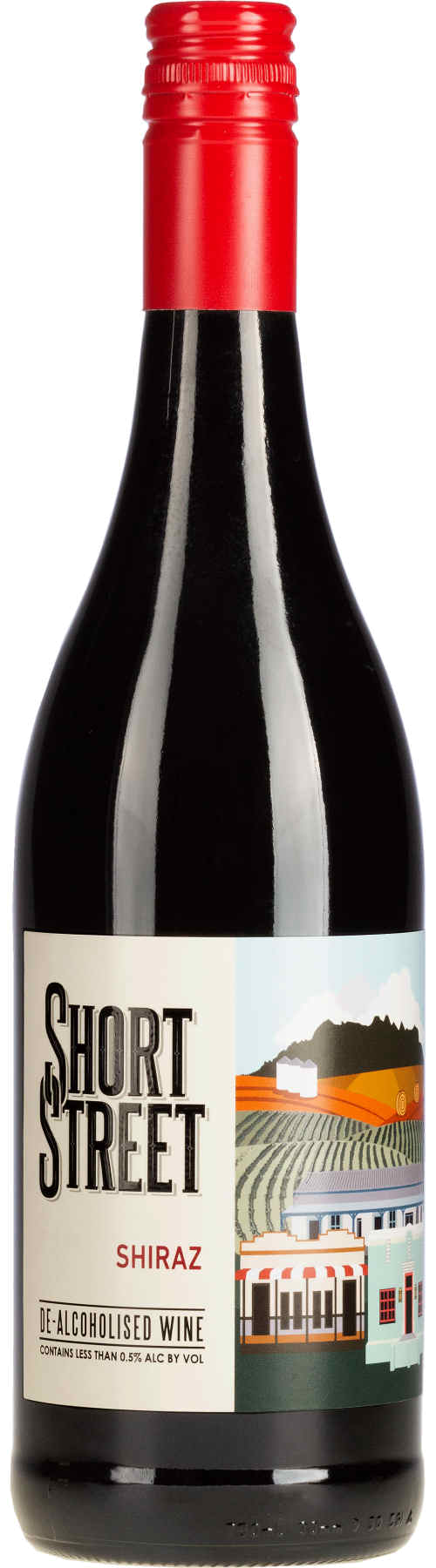
The assortment is divided into clearly defined lines. Kasteelberg stands for the house's top wines: Chenin Blanc and Shiraz from hand-picked hillside sites, with the varietal-typical density and spice that the Mediterranean climate of the Swartland — hot, wind-tempered summers, cool winter rains — allows. Raar is the experimental range in which cellar master Sheree Nothnagel works with lesser-known varieties such as Palomino or Petite Sirah. Klein Kasteelberg combines Mourvèdre, Marsanne, and Grenache with the regional lead grape varieties into limited cuvées. The Short Street line — named after the street of the same name in Riebeek Kasteel, where the tasting room is located — focuses on Southern Rhône varieties such as Shiraz and Grenache and is the home of the non-alcoholic variants that you can find here in the shop: Chenin Blanc and Shiraz, whose alcohol is gently removed via vacuum distillation at low temperatures in order to preserve the volatile fruit aromas.