From Huguenot heritage to the Rupert family: 330 years of wine history in Franschhoek
The history of La Motte dates back to 1695, when the Cape Governor assigned a piece of land in the Franschhoek Valley to the German immigrant Hans Hendrik Hattingh. In 1709, the French Huguenot Pierre Joubert acquired the estate and gave it the name of his home village in Provence — La Motte d'Aigues. Viticulture on the property began in 1752, when Huguenot descendant Gabriël du Toit planted the first 4,000 vines. This makes La Motte one of the oldest continuously cultivated wine sites in the Cape region.
The decisive turning point was the year 1970, when the South African industrialist and conservationist Dr. Anton Rupert acquired the estate and initiated a comprehensive restoration and development program. Four buildings on the property are now listed monuments: the manor house (c. 1751), the Jonkershuis (c. 1752), the historic wine cellar (c. 1782), and the water mill (1752–1793) — the only still-functioning water mill of its kind in the Franschhoek Valley. After Dr. Rupert's death, his daughter Hanneli Rupert took over the estate. The former mezzo-soprano, one of South Africa's most prominent voices, has made the connection between viticulture and culture the brand core of La Motte: classical music concerts are held regularly in the historic cellar. Her husband, Hein Koegelenberg, is responsible for the operational business as CEO.
Biological thinking, certified environmental protection, and the signature of a cellar master
Cellar master Edmund Terblanche has been responsible for the oenological direction of La Motte since 2004. On the home estate in Franschhoek — 75 hectares of vineyards at an altitude of 300 to 400 meters — biological practices are increasingly being introduced; at the Nabot winery in Walker Bay, work is already being carried out entirely biologically. The natural fynbos vegetation on the adjacent Wemmershoek Mountains is actively protected.
La Motte is one of the first South African wineries to have received ISO 14001 environmental management certification, is a WWF Conservation Champion, and a member of the Biodiversity and Wine Initiative as well as the Green Mountain Eco Route. In addition, there is membership in the Ethical Trading Initiative. Viticulturist Pietie le Roux oversees the vine program on the home estate; Terblanche processes around 1,000 tons of grapes annually from up to seven South African wine-growing regions, including Elgin, Walker Bay, Darling, and Elim.
Syrah strength, Sauvignon Blanc as a benchmark, and the Pierneef Collection
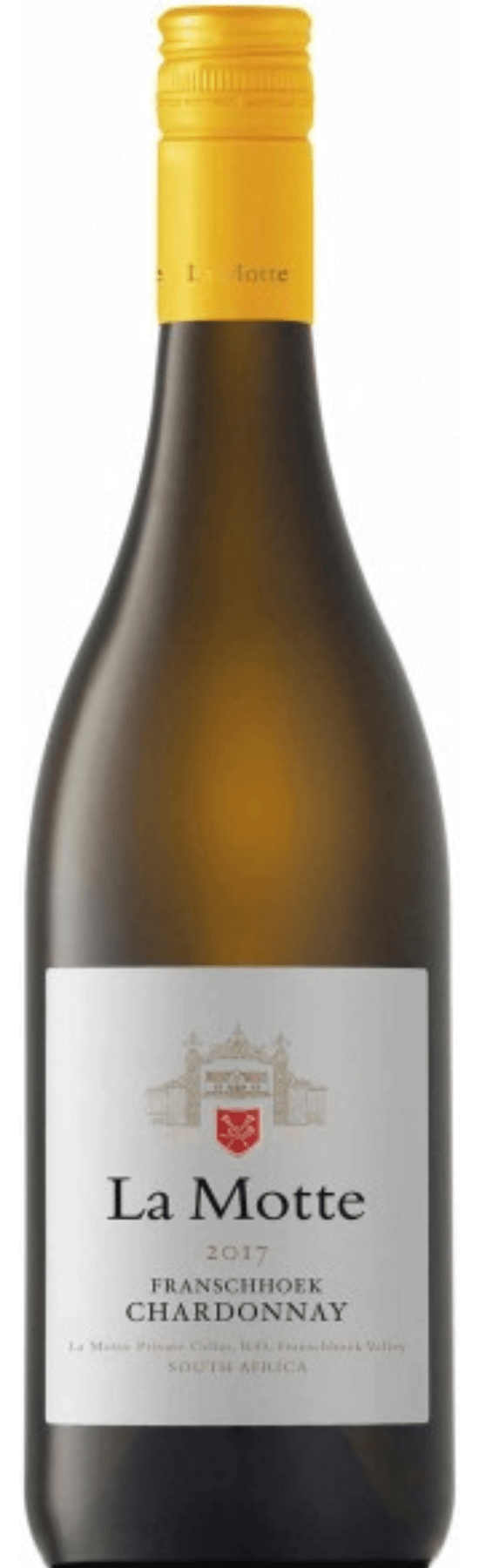
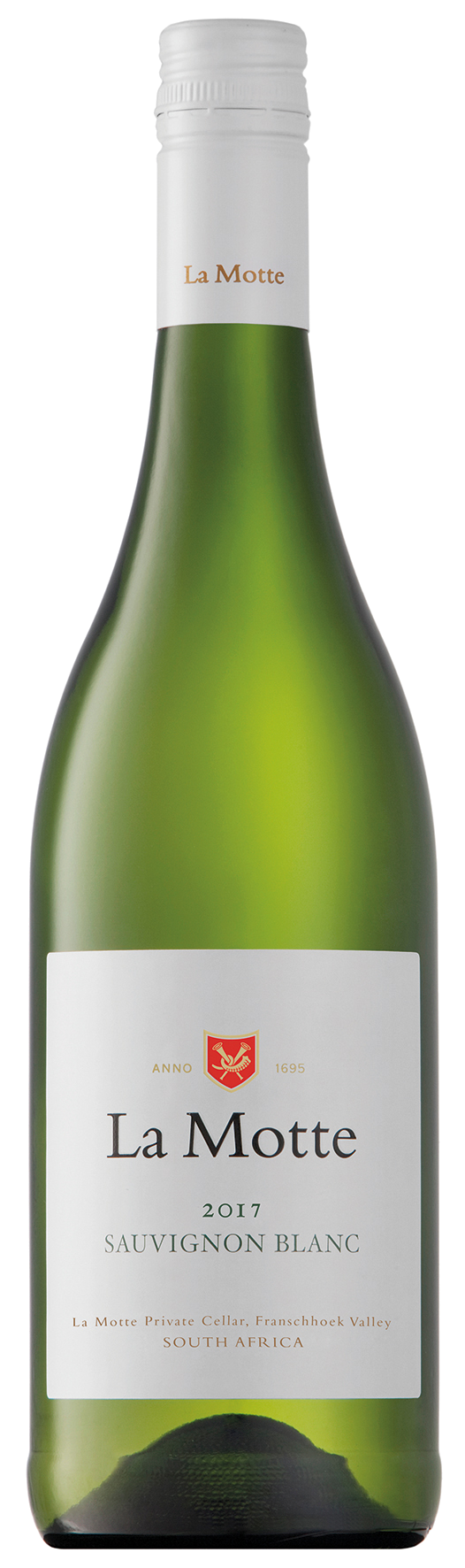
The La Motte range is divided into several lines, the core of which reflects the indigenous strengths of the Franschhoek Valley: sandy soils, cool mountain winds from the Atlantic, and a distinct aromatic ripeness. In white wine, Sauvignon Blanc has established itself as one of South Africa's most cited references — precise, with a clear acid structure and the mineral note typical of Franschhoek. The Chardonnay from the Classic Collection shows how confidently the estate handles wood aging: present, but without being overpowering.
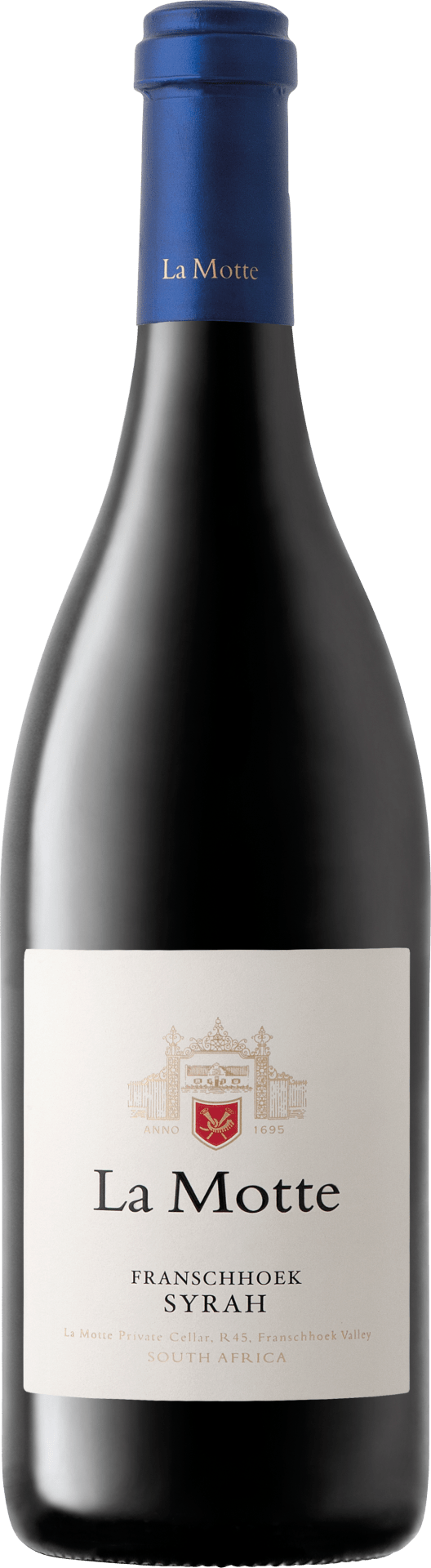
When it comes to red wines, much at La Motte revolves around Syrah — solo and as a blend. The flagship Hanneli R is a Rhône-inspired cuvée of Syrah, Grenache, and Petit Syrah, with a claim to complexity and aging potential. The Pierneef Collection — named after the South African landscape painter Jacob Hendrik Pierneef (1886–1957), whose works can be seen on the estate — includes the estate's most ambitious bottlings, including a Syrah-Viognier modeled on the northern Rhône. Anyone who has La Motte in their glass gets wines that combine origin, artisanal precision, and a strong cultural self-image.