From a beverage corporation to Taiwan's first whisky distillery
Behind Kavalan is the King Car Group, a Taiwanese family business founded in 1956 by Tien-Tsai Lee, which has since developed into one of the most important players in Taiwan's food and beverage industry. Lee's actual dream remained unfulfilled for a long time: The Taiwanese state maintained a monopoly on alcohol production, which made private distilleries simply impossible. It was only when Taiwan joined the World Trade Organization in 2002 that the window opened. Lee acted immediately. Within nine months, in 2005, Taiwan's first private whisky distillery was built on a 40-hectare site in the northeastern Yilan County. The name said it all: Kavalan was the historical name of the region and commemorates the indigenous people who once settled the Yilan Plain. On March 11, 2006, the first New Make flowed, and in December 2008, the first bottling, the Kavalan Classic, came onto the market.
The scientific framework was provided from the beginning by the renowned whisky consultant Dr. Jim Swan, who was known for his expertise in maturation under the influence of heat, together with Master Blender Ian Chang. Their task: to develop a production concept that does not fight the extreme climatic conditions of Taiwan, but uses them.
Heat as a tool: Kavalan's production philosophy
Yilan lies at the intersection of two climatic forces. In the north, the Xueshan Mountains with their 3,886-meter-high peak shield the region and provide the distillery's mineral-rich, naturally soft production water via meltwater. From the other side, the humid Pacific wind pushes into the basin. The result is a subtropical microclimate with hot, humid summers and Siberian-cool winter winds — both actively affect the maturing casks. The summer heat drives the whisky deep into the oak staves and accelerates the extraction of aromas and color; the winter temperature fluctuations promote oxidation and aroma development.
This natural dynamic has a measurable price: The so-called Angel's Share — the evaporation during maturation — is up to 15 percent per year at Kavalan, compared to around 2 percent in Scottish warehouses. Kavalan consciously avoids climate control in the maturation halls and does not use any coloring. To still control overheating, five-story warehouses with targeted ventilation were developed: large sherry casks are stored on the upper, hotter floors, smaller port and wine casks on the cooler lower floors. No cask is filled a third time. The spectrum of wood types used ranges from American ex-bourbon oak to Fino, Amontillado, and Pedro Ximénez sherry casks, as well as port, brandy, and Madeira casks. A special trademark are the so-called STR-Casks — casks that are shaved, toasted, and re-charred to remove harsh tannins and caramelize wood sugars.
Tropical fruit, cask depth, and an independent style
What Kavalan shows in the glass is not an echo of Scottish or Japanese models, but a clearly defined own style: ripe tropical fruit, often mango, papaya, and pineapple, underpinned by vanilla from the bourbon wood, and depending on the cask finishing, supplemented by nougat, dried figs, dark chocolate, or nutty sherry tones. The texture is full-bodied, the finish long. This lies in the nature of the maturation climate: What takes a decade and a half in Scottish warehouses, Kavalan achieves in a fraction of the time through more intensive cask-spirit contact.
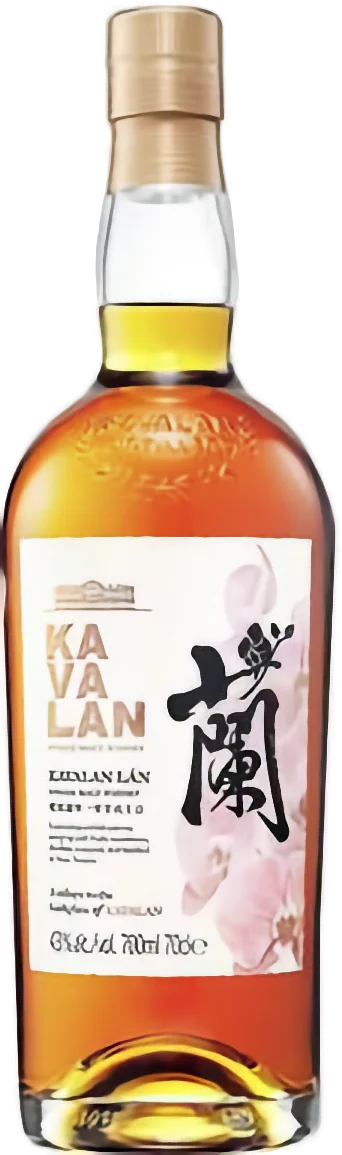
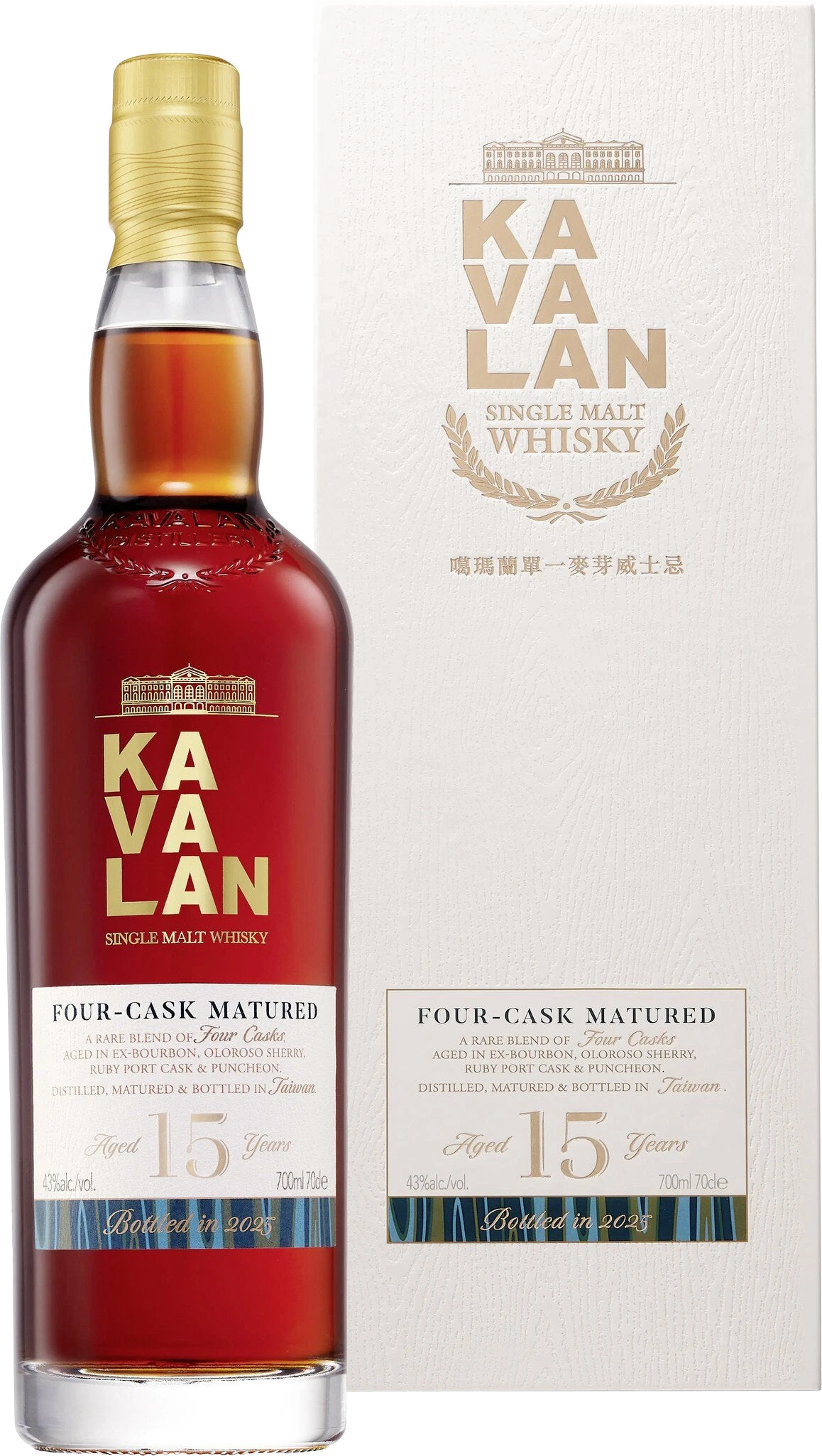
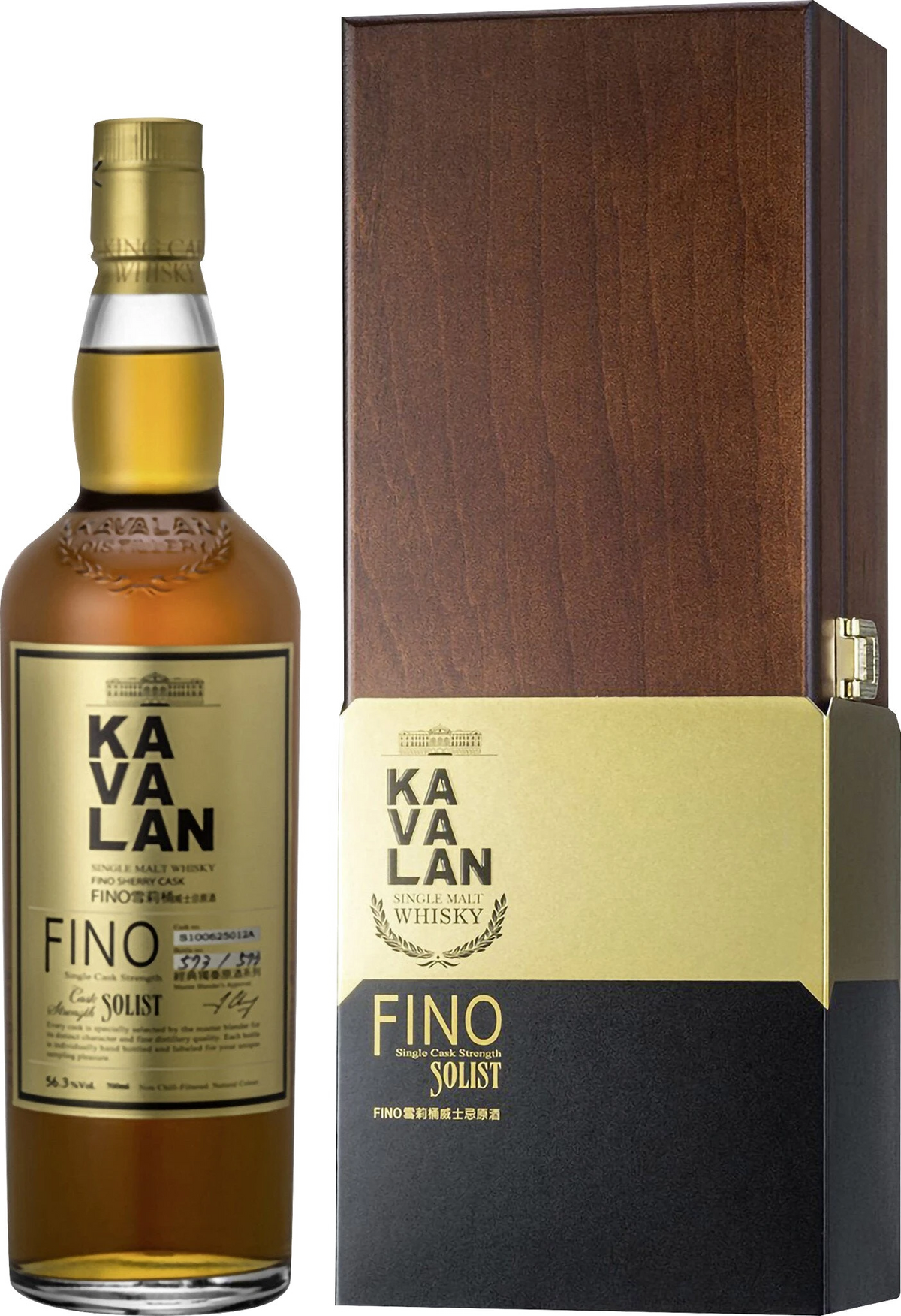
This breadth is reflected in the range. The Solist series includes single-cask bottlings at Cask Strength — including the Solist Fino, whose Fino sherry cask combines pronounced tropical fruit notes with a striking, dry spice. Alongside this are multi-part cuvées such as the Four Casks Edition as well as expressive expressions such as the Lan Whisky. Whether neat, with a drop of water, or on a large ice cube — Kavalan's whiskies show their character most clearly at room temperature, when the aroma spectrum can fully unfold.